Ctrl K
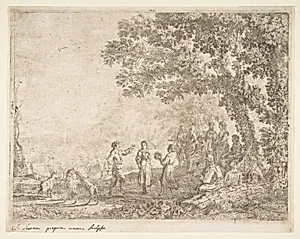
1604–1682
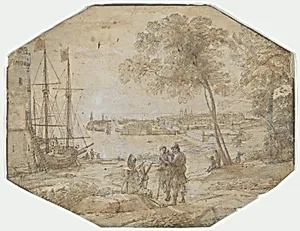
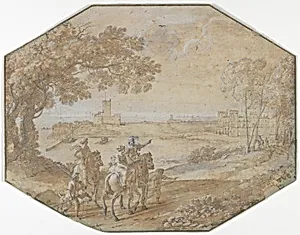
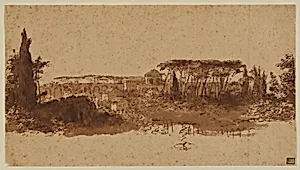
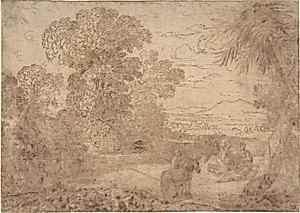
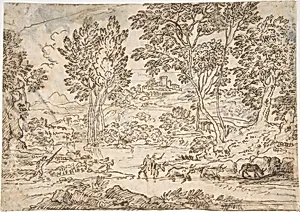
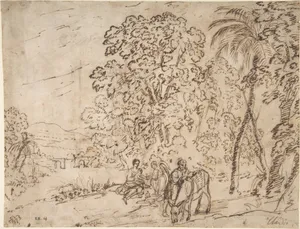
Claude Gellée was born around 1600 in the village of Chamagne in the Duchy of Lorraine, from which he would take the professional name by which history knows him: Claude Lorrain. Orphaned young, he traveled south to Rome as a teenager, eventually finding his way into the Naples workshop of Goffredo Wals before apprenticing with the Roman landscapist and fresco painter Agostino Tassi around 1622. From Tassi he absorbed the structural principles of composed landscape and architectural perspective; from the Italian countryside itself, through years of intensive outdoor sketching, he developed an unmatched sensitivity to the changing quality of natural light.
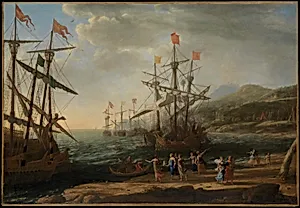
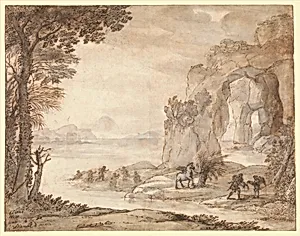
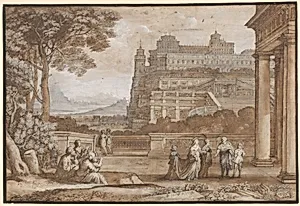
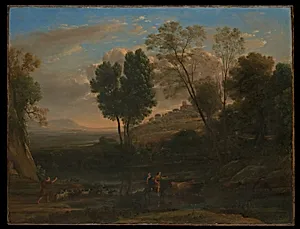
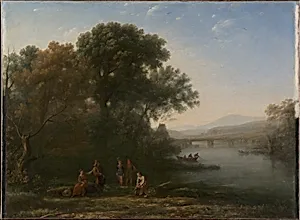
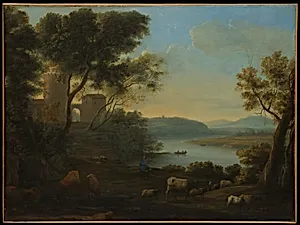
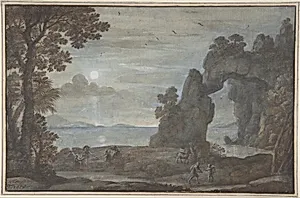
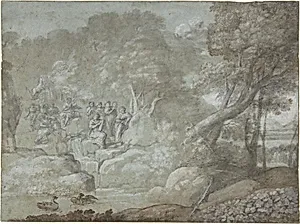
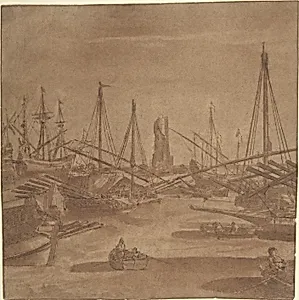
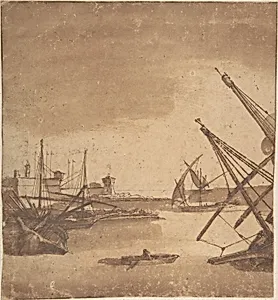
Claude returned to Rome permanently around 1626 and within a decade had achieved remarkable success, attracting commissions from Pope Urban VIII, Philip IV of Spain, and other powerful ecclesiastical and aristocratic patrons. To protect himself against forgeries, he began around 1636 to maintain the Liber Veritatis — an illustrated record of approximately 195 pen-and-wash drawings after his completed paintings, annotated with patrons' names and dates. This document, now held at the British Museum, is an invaluable archive of his output. Among his most celebrated canvases are The Embarkation of the Queen of Sheba (1648) and Landscape with Psyche Outside the Palace of Cupid (1664), both of which demonstrate his mastery of suffused golden light emanating from a low sun on the horizon — an innovation he introduced into landscape painting that had been rare before him.
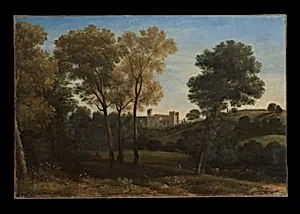
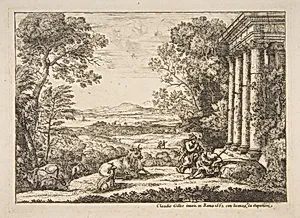
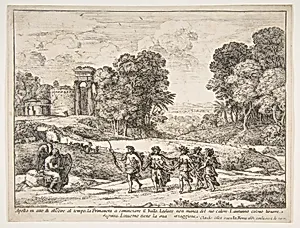
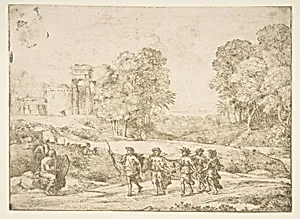
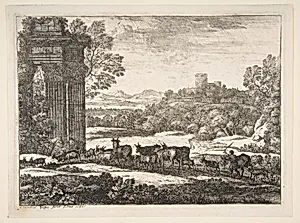
Claude's ideal landscapes — serene compositions of classical ruins, glimmering water, and pastoral figures bathed in luminous atmosphere — established a standard of pictorial beauty that endured for generations. John Constable, himself one of the great landscape masters, described him as 'the most perfect landscape painter the world ever saw.' His influence on English landscape painting, on the aesthetic concept of the picturesque, and on painters as distant in time as J. M. W. Turner was immense. Claude died in Rome on November 23, 1682, having spent nearly all his adult life in the city that gave his art its classical foundation.