Ctrl K
1471–1536
Daniel Hopfer (c. 1470–1536), born in Kaufbeuren, was the son of the painter Bartholomäus Hopfer and Anna Sendlerin. He relocated early to Augsburg, becoming a citizen and master painter there in 1493, and trained as an etcher of armor in this thriving center of arms production. By 1505, he owned a house in the city center and served on the guild committee for smiths, which encompassed painters and etchers due to the intertwined crafts of metalwork and image-making. In 1497, Hopfer married Justina Grimm, sister of the prominent Augsburg publisher Sigismund Grimm; their sons included the etchers Hieronymus (active in Nuremberg) and Lambert (in Augsburg), ensuring a family dynasty in printmaking.
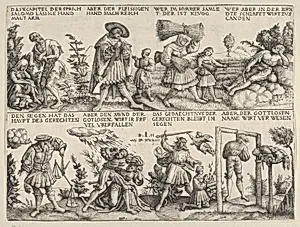
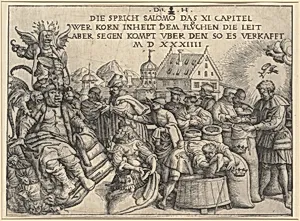
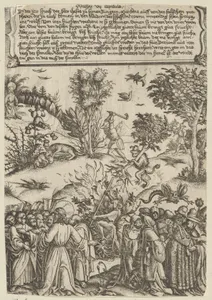
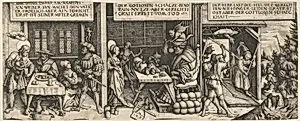
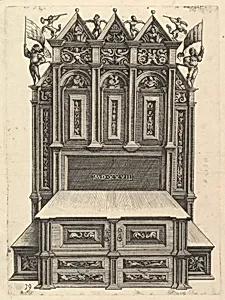
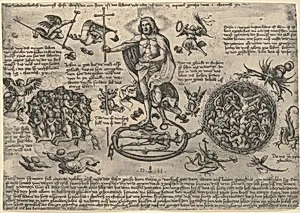
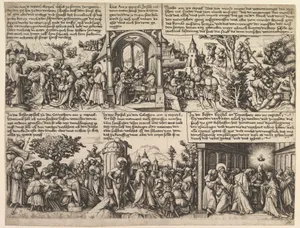
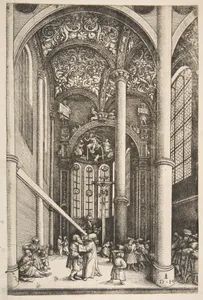
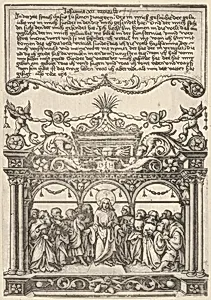
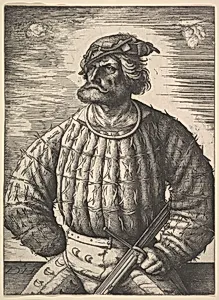
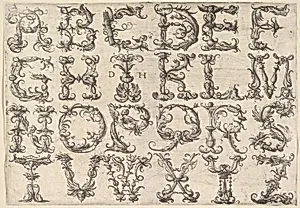
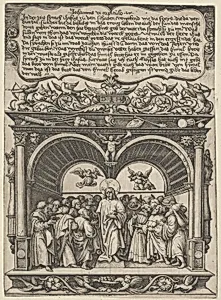
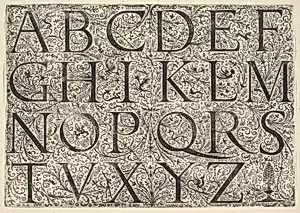
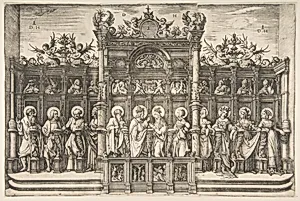
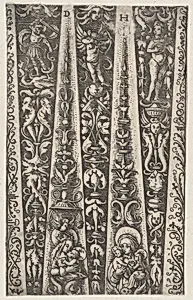
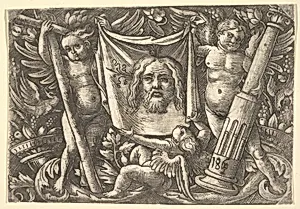
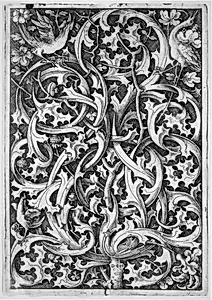
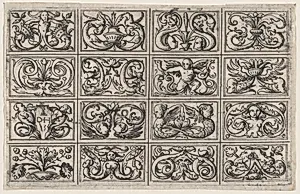
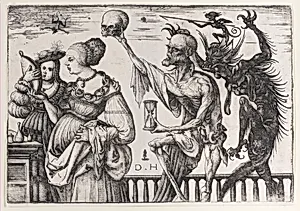
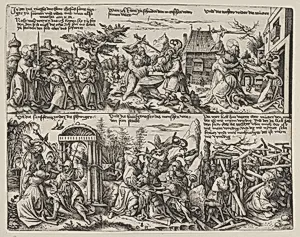
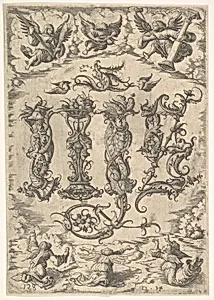
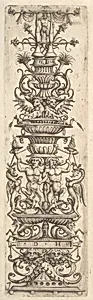
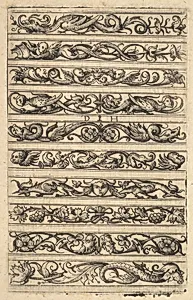
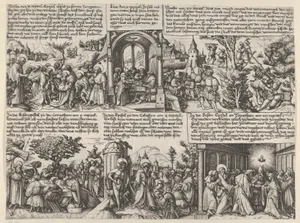
Hopfer revolutionized printmaking by adapting the etching technique from iron armor decoration to paper around 1500, predating dated examples by Albrecht Dürer and pioneering iron-plate etchings over copper. His "Hopfer style" featured silhouetted figures against dark grounds achieved through multiple acid bitings, yielding bold, labor-intensive designs with ragged lines blending Gothic tendrils and Italianate grotesques. Working in the Augsburg Renaissance tradition amid Italian trade influences, he produced around 145–230 etchings and woodcuts on diverse themes: ornamental patterns for goldsmiths and armor (e.g., a 1536 shield in Madrid's Real Armería), religious scenes like *Mary with Jesus*, genre depictions such as *Morris Dancers* (late 15th–early 16th century), soldiers (*Three German Soldiers*, c. 1510; *Five Landsknechte*, 1530), peasants (*The Peasant Feast*, c. 1533–36), and portraits including *Martin Luther* (1523). He also etched armors for Emperor Maximilian I and supported the Reformation through handbills.
In 1524, Emperor Charles V granted him a coat of arms for imperial service, and he received an honorable burial in Augsburg Cathedral. Hopfer's iron plates, preserved meticulously, were reprinted by David Funck (230 plates, 17th century) and C.W. Silberberg (92 plates, 1802), sustaining his market while his sons and grandsons—Georg and Daniel Jr., ennobled by Rudolf II—extended the workshop. Long overlooked, recent scholarship hails him as the inventor of etched prints, establishing their commercial viability and bridging armor decoration with fine art, influencing German Renaissance dissemination of Italian motifs and print publishing models.