Ctrl K
1751–1785
The Derby Porcelain Manufactory stands as one of the foundational institutions of British ceramic art, producing some of the finest figures and tablewares made in England during the eighteenth and early nineteenth centuries. Its origins can be traced to the work of André Planché, a Huguenot immigrant from Saxony who settled in Derby around 1745 and began producing soft-paste porcelain figures and vases between approximately 1747 and 1755. In 1756, Planché joined forces with William Duesbury, a porcelain painter with experience at Chelsea and Longton Hall, and the banker John Heath, formalizing a co-partnership for the manufacture of English china on Nottingham Road in Derby.
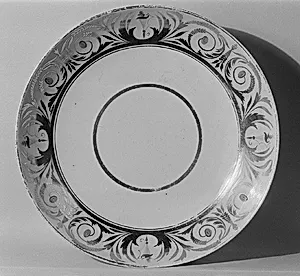
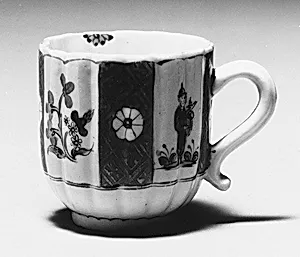
Under Duesbury's leadership the factory reached its greatest heights. He developed a new paste body incorporating glass frit, soapstone, and calcined bone, which enabled the production of high-quality tableware alongside the ornamental figures that had been the factory's initial specialty. In 1770 Duesbury acquired the celebrated Chelsea porcelain factory in London, operating it until 1784 and producing wares during this period known as "Chelsea-Derby." In 1773, King George III granted Duesbury the right to incorporate the royal crown into the Derby mark, after which the factory became known as Crown Derby. The factory's painters — including Richard Askew for figures and cupids, Zachariah Boreman and John Brewer for landscapes, and William Billingsley for flowers — gave Derby wares a painterly refinement that rivaled continental manufactures.
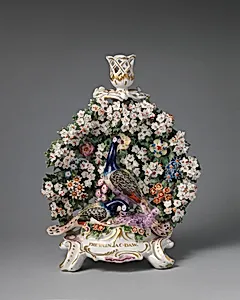
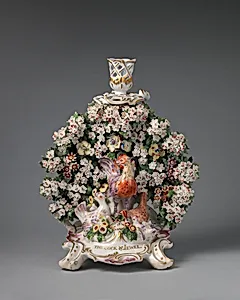
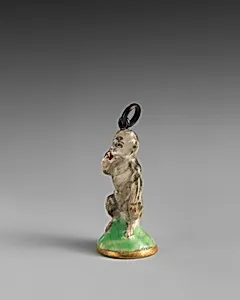
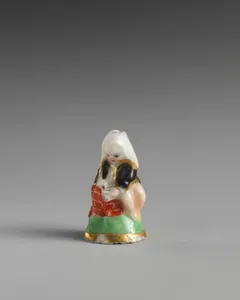
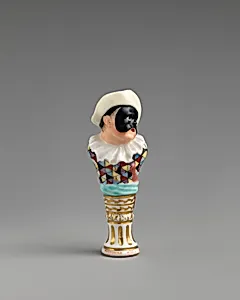
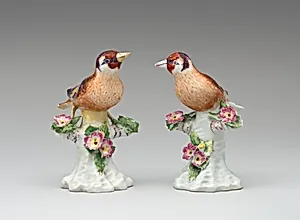
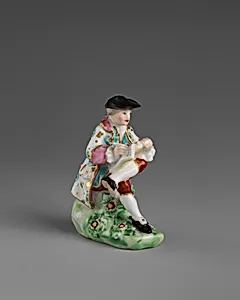
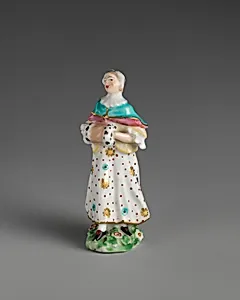
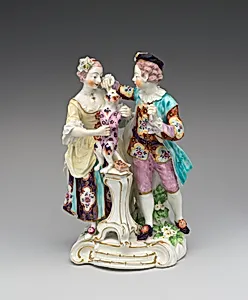
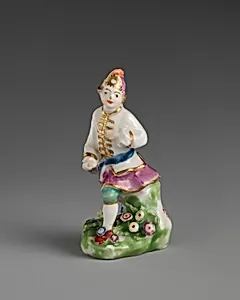
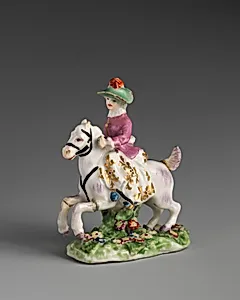
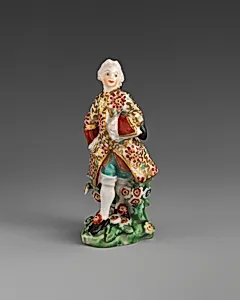
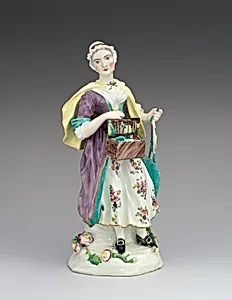
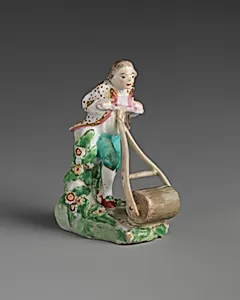
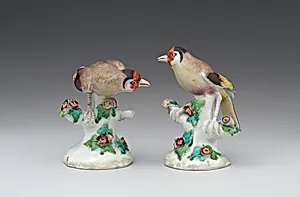
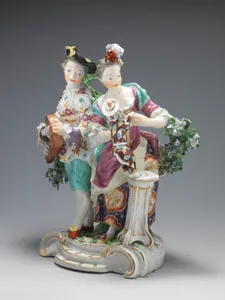
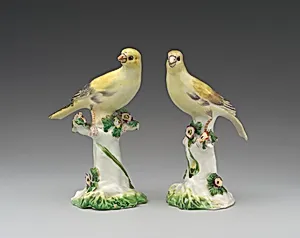
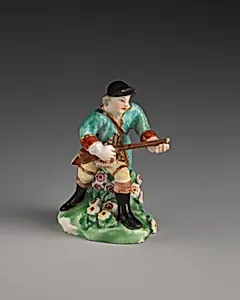
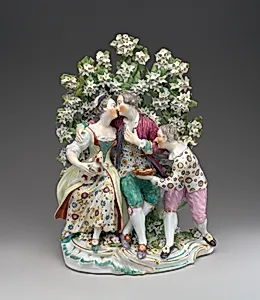
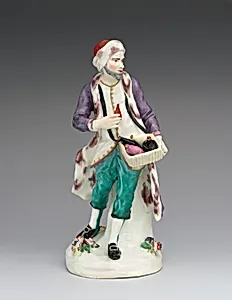
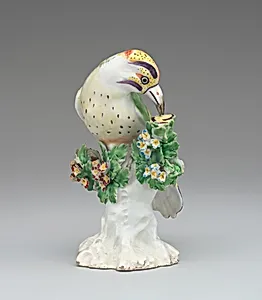
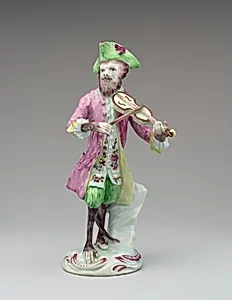
Factory records from 1763 record the dispatch of a remarkable variety of sculptural output: flower jars, ink stands, figures of Huzzars and pigeons, rabbits, classical deities including Jupiter, Juno, and Minerva, allegorical sets of the Four Elements and Four Seasons, Spanish shepherds, and the Nine Muses. The factory produced a wider range of figures than any other English porcelain manufacturer of the period. Derby's aesthetic drew on French Rococo, Meissen, and Sèvres precedents while developing a distinctly English sensibility rooted in pastoral and theatrical subject matter.
William Duesbury died in 1786 and was succeeded by his son William Duesbury II, who continued the factory's tradition of excellence until his own death in 1797. After a subsequent period of decline the factory eventually closed in 1848, though a group of craftsmen continued ceramic production in Derby through a King Street workshop that preserved its moulds and traditions. The Royal Crown Derby Porcelain Company, established in 1876, carries on the Derby legacy to the present day, and Derby wares from the Duesbury era are held in the collections of the Metropolitan Museum of Art, the Victoria and Albert Museum, and leading institutions worldwide.