Ctrl K
1826–1900
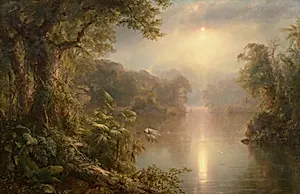
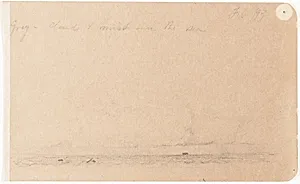
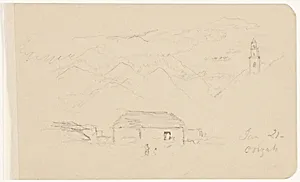
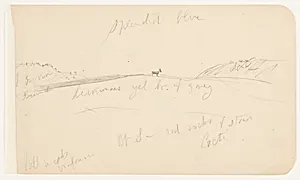
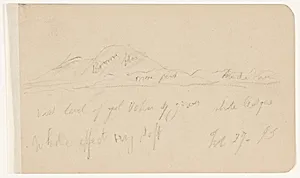
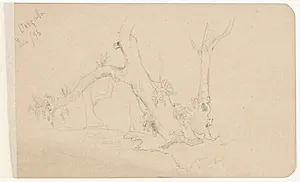
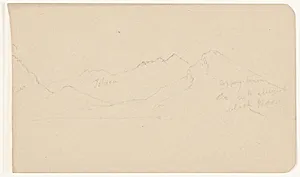
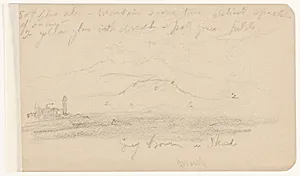
Frederic Edwin Church (1826–1900), born in Hartford, Connecticut, to a prosperous silversmith and banker father, Joseph Church, pursued art from youth thanks to his family's wealth. At age 18, introduced by patron Daniel Wadsworth, he studied under Thomas Cole in Catskill, New York, from 1844 to 1846, sketching across New England and earning Cole's praise for possessing "the finest eye for drawing in the world." Elected the youngest associate of the National Academy of Design in 1848 and full member in 1849, Church became the preeminent figure of the Hudson River School, blending meticulous realism, dramatic light, and panoramic vistas to evoke nature's sublime power.
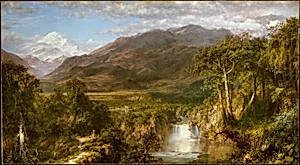
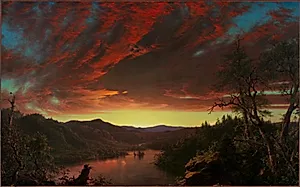
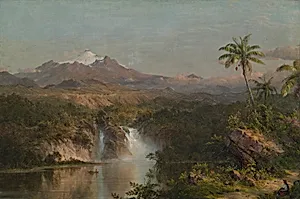
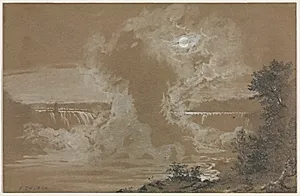
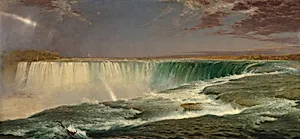
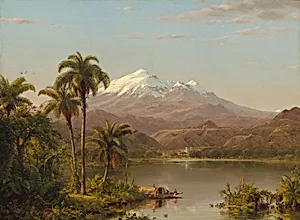
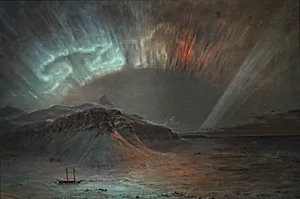
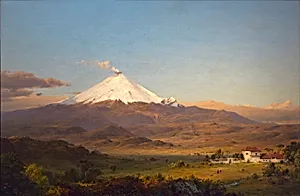
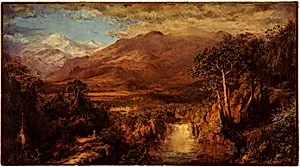
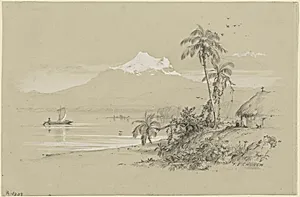
Inspired by explorer Alexander von Humboldt, Church journeyed to South America in 1853 and 1857, capturing equatorial wonders in masterpieces like *Niagara* (1857), a seven-foot panorama of the falls; *The Heart of the Andes* (1859), a ten-foot tour de force exhibited to throngs and sold for a record $10,000; *Twilight in the Wilderness* (1860); *The Icebergs* (1861), from his Arctic voyage; and *Cotopaxi* (1862), depicting the erupting volcano. His style evolved from Cole's allegorical tendencies toward objective naturalism infused with luminist glows of rainbows, sunsets, and mist, synthesizing on-site sketches into monumental studio compositions that celebrated American manifest destiny and divine order.
In 1860, Church married Isabel Mortimer Carnes, settling on a Hudson River farm; tragedy struck in 1865 when two young children died of diphtheria, prompting a healing trip to Jamaica. They built the Persianate Olana estate (1870–72), a self-designed masterpiece overlooking the Catskills, where Church, afflicted by rheumatoid arthritis from 1876, painted with his left hand and shaped the landscape. By his death in 1900, Church was America's most renowned artist, his works fetching fortunes and influencing national parks advocacy; though eclipsed briefly, his reputation revived mid-20th century, with Olana preserved as a state historic site honoring his visionary legacy.