Ctrl K
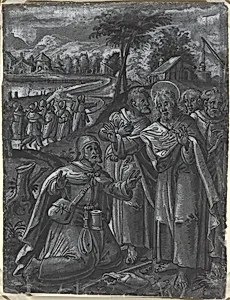
1500–1600
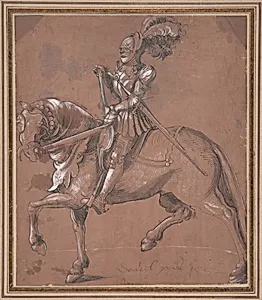
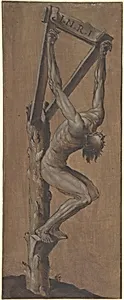
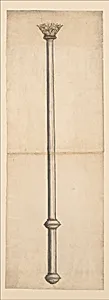
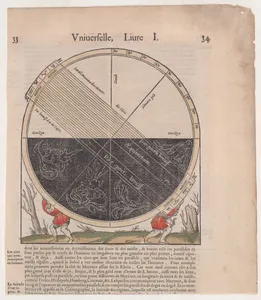
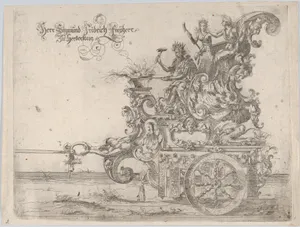
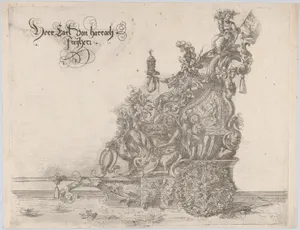
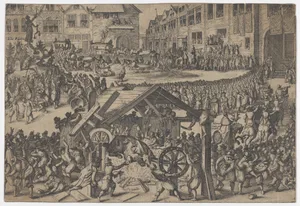
The designation "German 16th Century" refers to a collective of anonymous artists active during the height of the German Renaissance, a period marked by profound artistic innovation amid the Protestant Reformation and humanist revival. Little is known about the individual lives or training of these makers, as their identities remain undocumented, with works often attributed based on regional styles and techniques rather than named masters. Operating primarily in workshops across Nuremberg, Augsburg, and the Danube region, they contributed to a vibrant output of paintings, drawings, prints, and decorative arts that numbered in the hundreds across major collections, including 281 pieces in the Artheon Virtual Museum.
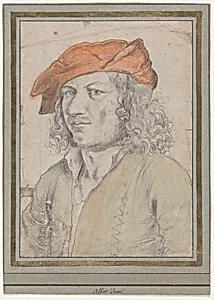
These artists worked firmly within the Northern Renaissance tradition, blending meticulous detail, symbolic depth, and a fascination with nature inherited from forebears like Albrecht Dürer. Their style emphasized hyper-realistic portraits, religious narratives, and secular scenes infused with moral allegory, often employing tempera, oil, pen-and-ink, and woodcuts. Influences from the Danube School—known for its dramatic landscapes—and the "Little Masters," engravers like Hans Sebald Beham, are evident in their precise line work and intricate compositions. Unlike Italian contemporaries focused on classical idealization, German 16th-century works prioritized emotional intensity and everyday piety, reflecting the era's religious upheavals.
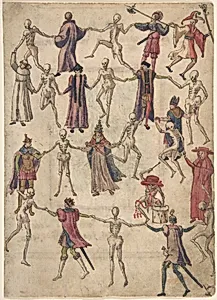
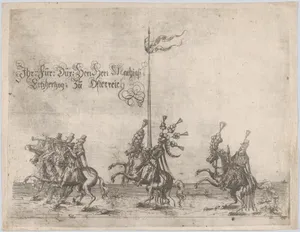
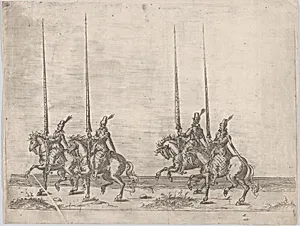
Notable surviving works exemplify their range: the dynamic *German Joust of Peace* (c. 1512–1515), a pen-and-ink drawing with watercolor capturing Emperor Maximilian I's tournaments; *Christ in Limbo* and *A Child with a Crow* from the Kress Collection; and macabre woodcuts like *The Dance of Death* at the Metropolitan Museum. These pieces, often small-scale yet richly detailed, served both devotional and commemorative purposes.
The legacy of these anonymous talents endures in their role bridging named giants like Dürer and Cranach with later Baroque developments. Their anonymous status underscores the collaborative workshop culture of the time, where innovation thrived without individual fame. Today, their artifacts illuminate 16th-century German society—from courtly spectacles to spiritual introspection—preserving a democratized Renaissance accessible beyond elite patrons.