Ctrl K
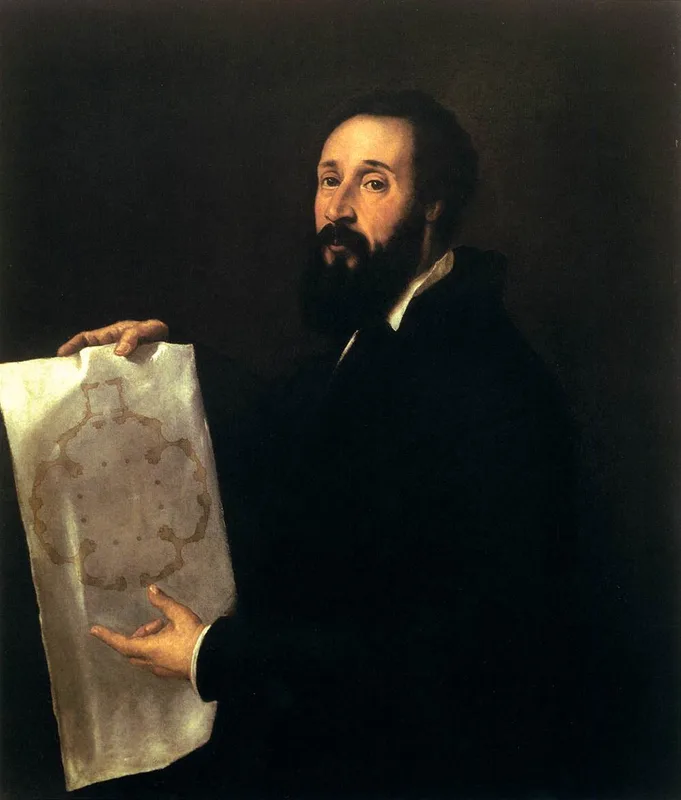
1499–1546
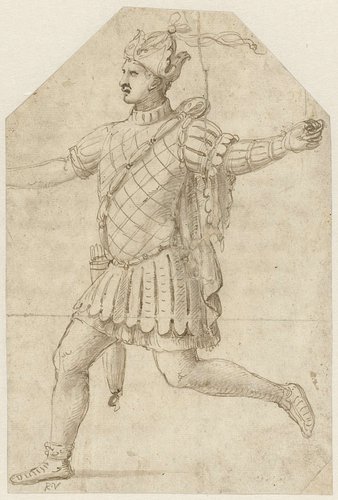
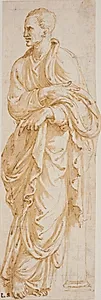
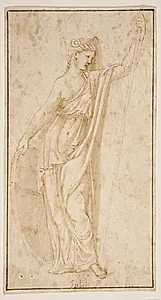
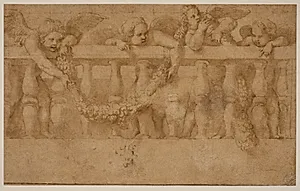
Giulio Romano (c. 1499–1546) was the most gifted pupil of Raphael and one of the founding figures of Mannerism, the style that succeeded the High Renaissance in Italy. Born Giulio Pippi in Rome, he entered Raphael's workshop as a boy and proved so talented that by the time of Raphael's death in 1520 he was effectively running the studio and overseeing the completion of major unfinished commissions, including the Vatican Stanze and the Villa Farnesina decorations. He absorbed Raphael's classical grace and balanced compositions but carried them in a more dynamic, emotionally charged, and deliberately unsettling direction.
In 1524 Giulio left Rome for Mantua at the invitation of Federico II Gonzaga, and it was there that he produced his greatest masterwork: the Palazzo Te, a suburban pleasure palace whose every surface he designed, from the architecture to the frescoes. The building's famous Sala dei Giganti, depicting the giants' revolt against the gods crushed by Jove's thunderbolts, is a tour de force of illusionistic painting that overwhelms the viewer with its scale and visceral energy. The palazzo as a whole is a monument to Mannerist wit and caprice, deliberately subverting classical rules in ways that educated contemporaries recognized as learned play rather than ignorance.
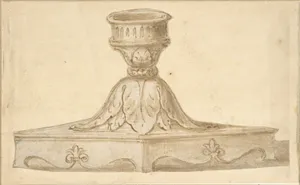
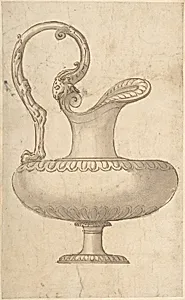
Giulio also designed tapestry cartoons, festival decorations, and fortifications for the Gonzaga, cementing his role as a universal court artist. He was celebrated in his own lifetime — Shakespeare references him in The Winter's Tale as a sculptor of near-miraculous ability, a rare tribute to a visual artist in literature.
His legacy shaped the course of European Mannerism. Artists across Italy and northern Europe studied his inventions, transmitted through prints and drawings, and his work at Mantua remained a pilgrimage site for painters and architects well into the seventeenth century.