Ctrl K
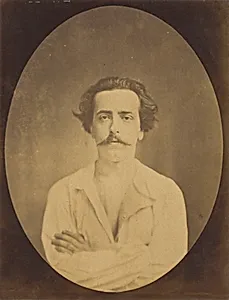
Guillaume-Benjamin-Amant Duchenne de Boulogne (1806–1875) was a French neurologist whose pioneering use of photography to document human facial expression placed him at the unique intersection of medical science and visual art. Though primarily a physician rather than an artist in the conventional sense, his photographic work — produced in the 1850s and 1860s — has been recognized as a significant contribution to the history of photography and to the scientific study of the human face.
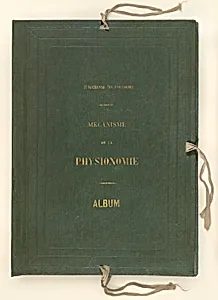
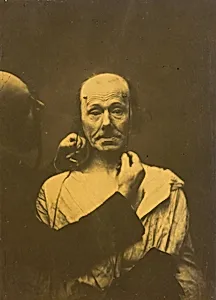
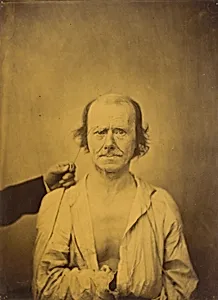
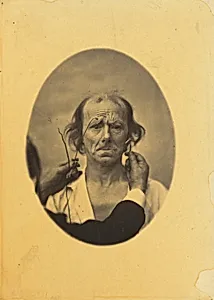
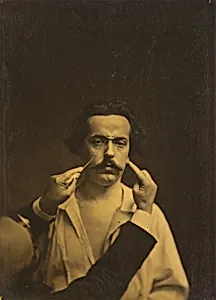
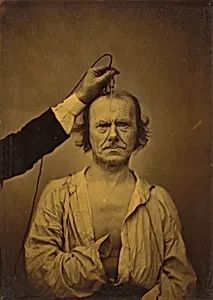
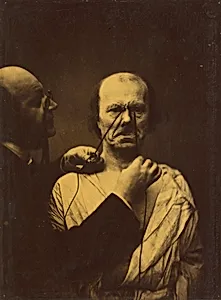
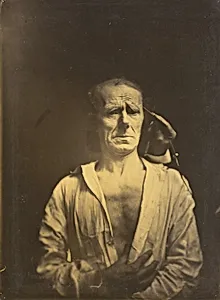
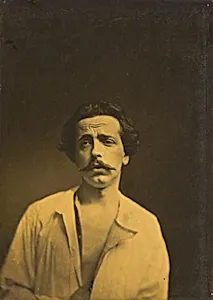
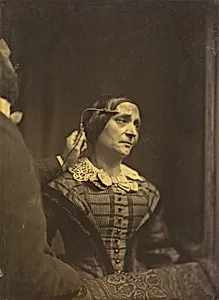
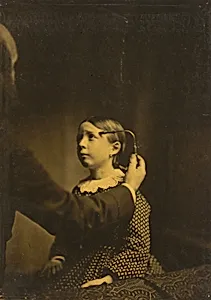
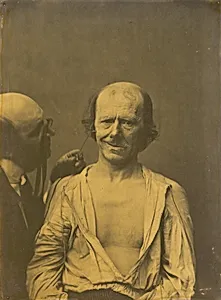
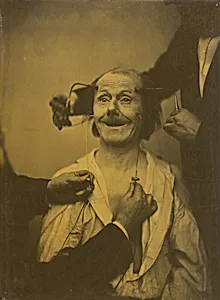
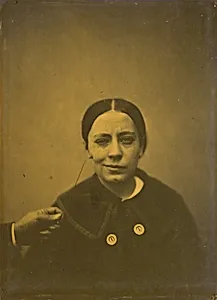
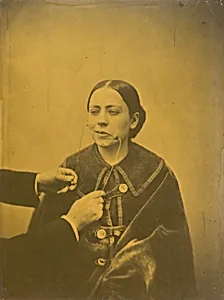
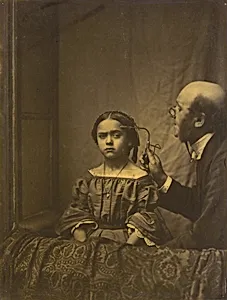
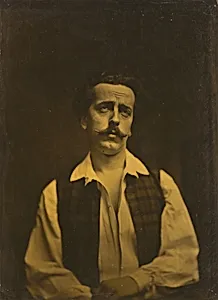
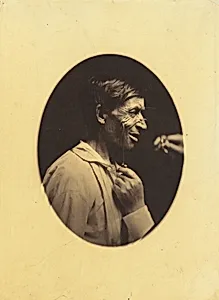
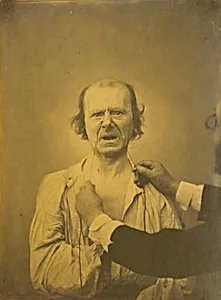
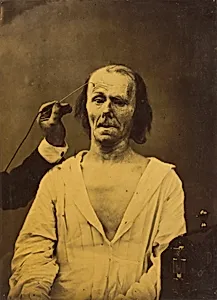
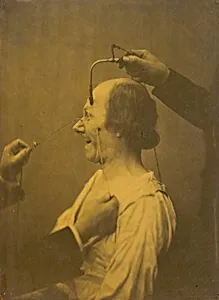
Duchenne used electrical stimulation to produce isolated contractions of specific facial muscles in his subjects, then photographed the resulting expressions in order to map the muscular mechanics of human emotion. These images, published in his landmark study Mécanisme de la Physionomie Humaine (1862), constitute one of the earliest and most systematic uses of photography as a scientific instrument. The book was influential not only in medicine but also on Charles Darwin, who reproduced Duchenne's photographs in his own study The Expression of the Emotions in Man and Animals (1872).
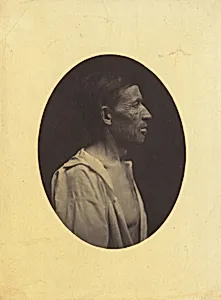
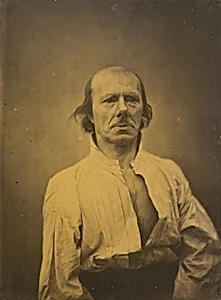
The photographs themselves possess a strange, haunting quality: clinical in intent but deeply expressive in effect, they raise profound questions about authenticity, performance, and the relationship between inner emotion and outward expression that remain relevant to art, philosophy, and cognitive science. They have been increasingly exhibited in art historical contexts and studied alongside the history of portraiture and physiognomy.
Duchenne's legacy spans neurology, psychology, and visual culture. His name is attached to several medical conditions and phenomena, but his photographs endure as extraordinary documents — at once scientific data and inadvertent works of art — that illuminate the human face with a precision and strangeness no painter or sculptor of his era quite matched.