Ctrl K
1515–1566
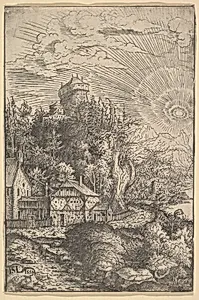
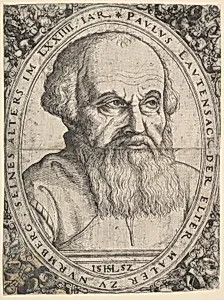
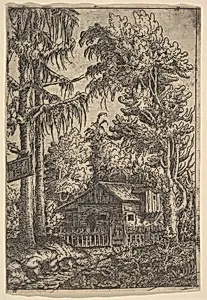
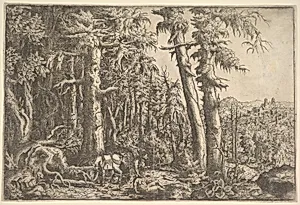
Hanns Lautensack, born in 1524 in Bamberg, Germany, was the son of Paul Lautensack, a noted painter and organist. Alongside his brother Heinrich, a goldsmith, the family relocated to Nuremberg in 1527, where Hanns immersed himself in the vibrant artistic milieu of the city. There, he likely apprenticed with a goldsmith, honing skills in fine metalwork that informed his precise etching technique, though no specific master teacher is documented. Working in the Nuremberg tradition, his early style drew from the Little Masters—such as the Beham brothers and Georg Pencz—and the Danube School, evident in the atmospheric depth and intricate foliage of his landscapes inspired by Albrecht Altdorfer and Wolfgang Huber.
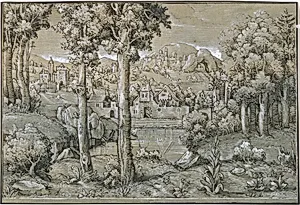
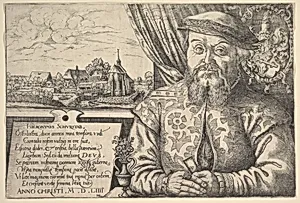
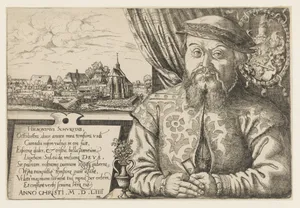
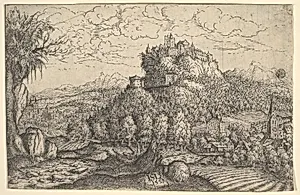
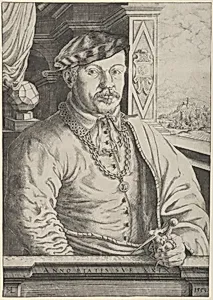
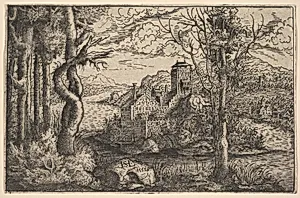
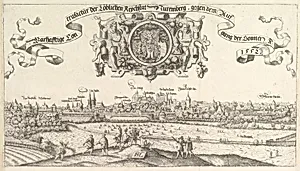
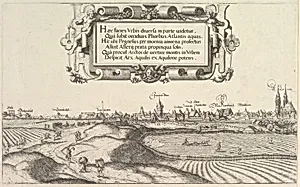
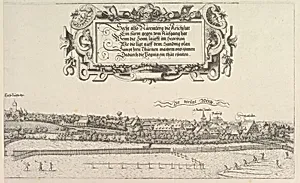
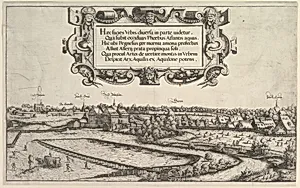
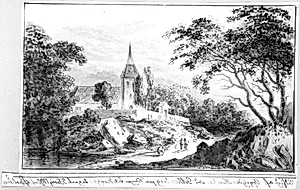
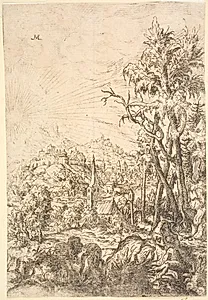
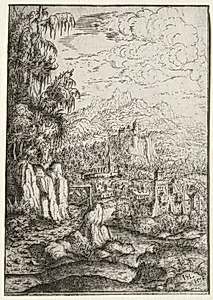
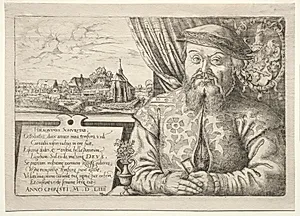
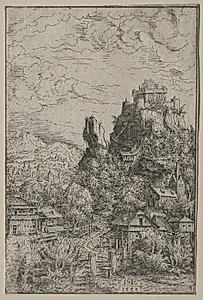
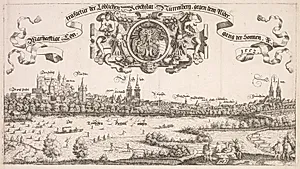
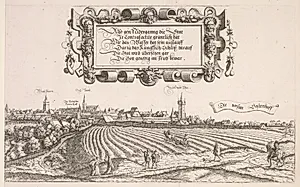
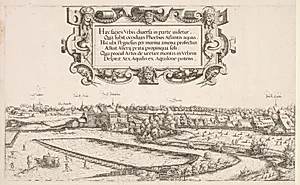
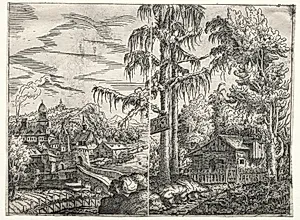
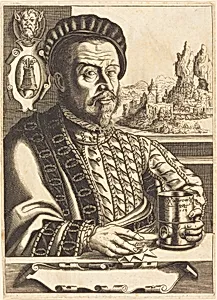
In Nuremberg, Lautensack established himself as a prolific etcher and draughtsman, producing topographical views, biblical scenes, and innovative portraits of local burghers. His portraits from 1552–1554, like *Portrait of Georg Roggenbach* (1554) and *Ulrich Schwaiger* (1554), featured sitters framed by windows opening onto expansive rural vistas, linking the urban elite to the natural world beyond. Landscapes such as *View of Steyr* (1554), *Landscape with a Fortress and Big Stairway* (1554), and *David and Goliath* (1551) showcased his signature dark, brooding tonality with knobby pollard willows and overcrowded details, marking a shift toward panoramic compositions with tiny foreground figures.
Around 1556, Emperor Ferdinand I summoned Lautensack to Vienna, possibly to document his classical coin collection, redirecting his patronage toward courtly and humanist circles. His Vienna etchings adopted a more mannered elegance akin to the School of Fontainebleau, including *Ferdinand I* (1556), *Johann Aventinus* (1554), and expansive landscapes like *Landscape with a Vineyard* (1559) and *The Flight into Egypt* (1558), influenced by Netherlandish prints from Hieronymus Cock. He died in Vienna between 1564 and 1566, leaving no surviving paintings despite contemporary references to his work as a painter.
Lautensack's legacy endures in over 50 known etchings, celebrated for pioneering pure landscape prints in Germany and bridging Danube romanticism with emerging Mannerism. His dark, immersive views captured the rugged beauty of southern Germany, influencing later topographical artists and earning praise for meritorious portraits amid his era's print revolution. Today, institutions like the National Gallery of Art hold dozens of his works, affirming his place among Nuremberg's innovative etchers.