Ctrl K
1844–1893
Henry Peter Bosse was born in 1844 in Sonneberg, Prussia (now Germany), and immigrated to the United States around 1870. He settled in the Midwest and joined the U.S. Army Corps of Engineers in 1874 as a draftsman. By the mid-1880s he had risen to chief draftsman in the Rock Island, Illinois, district, where he remained for the rest of his career. His dual expertise in engineering and visual documentation shaped his later work as a photographer and cartographer.
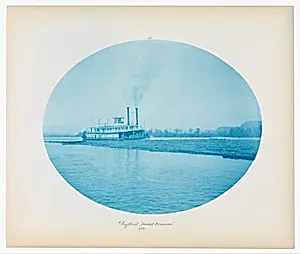
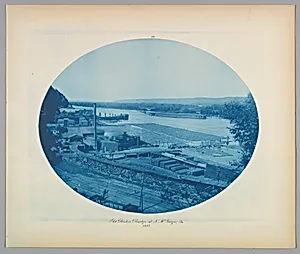
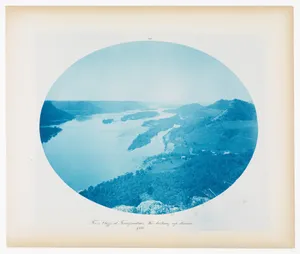
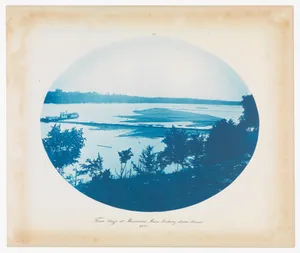
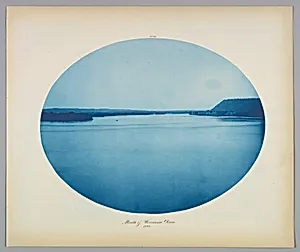
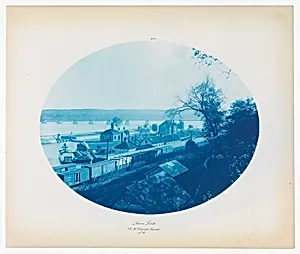
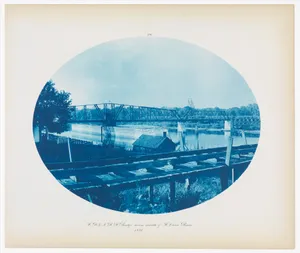
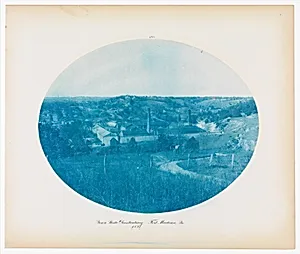
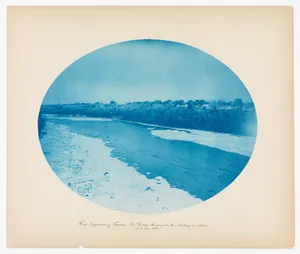
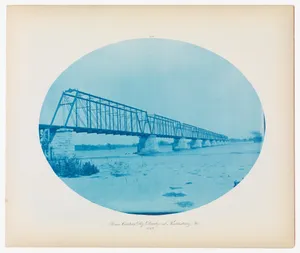
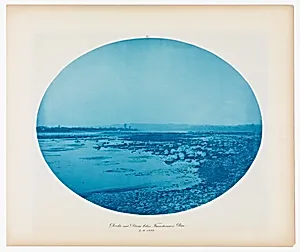
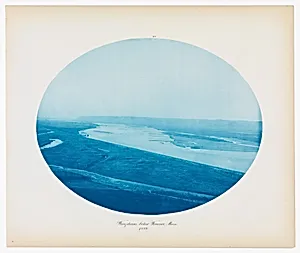
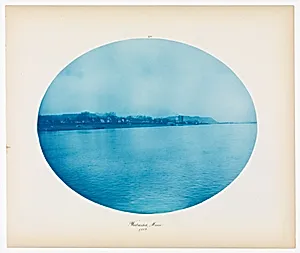
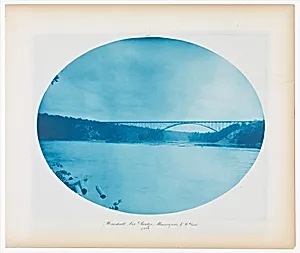
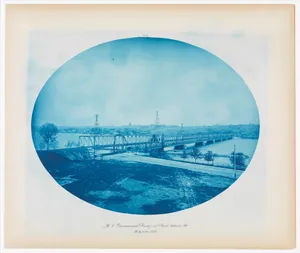
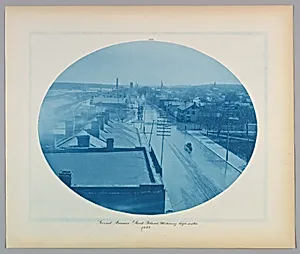
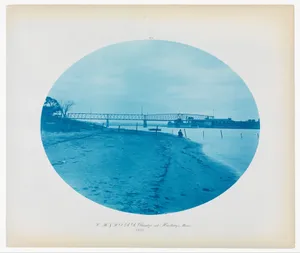
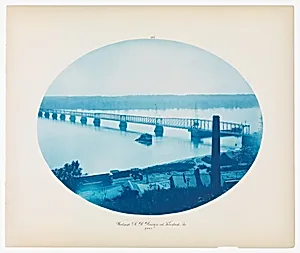
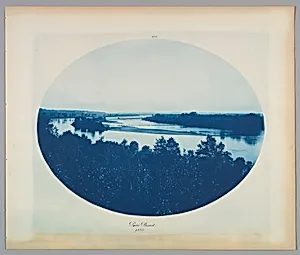
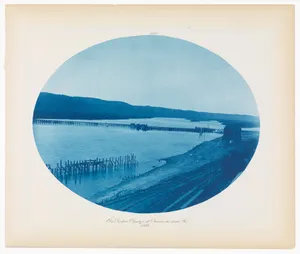
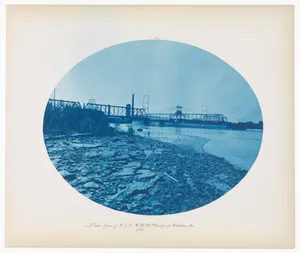
Bosse is best known for his extensive series of cyanotype photographs documenting the Upper Mississippi River and its infrastructure. Commissioned by the Corps of Engineers, he produced hundreds of blue-toned images between the 1880s and early 1890s that recorded bridges, wing dams, boat yards, shorelines, and engineering projects from the Falls of St. Anthony to the Missouri River. These cyanotypes combined precise technical observation with a distinctive aesthetic, capturing the river’s changing landscape during a period of rapid industrialization and navigation improvements. He also created detailed maps, including a comprehensive “Map of the Mississippi River from the Falls of St. Anthony to the Missouri River,” as well as bridge drawings and riverboat plans.
Although trained as an engineer rather than in a formal art academy, Bosse’s photographs have been recognized for their artistic merit and are held in major museum collections, including twenty-two works at the National Gallery of Art. His images preserve a vivid record of late-nineteenth-century river engineering and continue to be valued by historians, photographers, and environmental scholars. Bosse died in Rock Island, Illinois, in 1903.
![No. 139a. Head of Niota Chute with Closing Dam [near Fort Madison, Iowa]](https://images.artheonmuseum.org/met/ph/thumb/no-139a-head-of-niota-chute-with-closing-dam-near-fort-madison-iowa-669911.webp)