Ctrl K
1593–1641
Jan van de Velde II (1593–1641) was one of the most accomplished Dutch printmakers and draughtsmen of the early seventeenth century, born in Haarlem into a dynasty of celebrated calligraphers and artists. His father, Jan van de Velde I, was a renowned writing master, and his cousin Willem van de Velde the Elder would later become a distinguished marine painter. Jan II studied engraving under Jacob Matham, himself a stepson of Hendrick Goltzius, which placed the young artist at the heart of the Haarlem tradition of virtuoso printmaking.
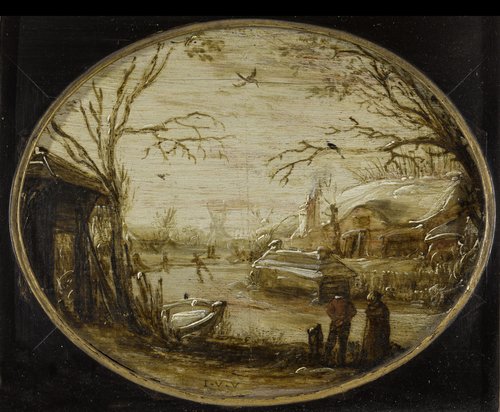
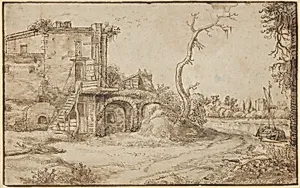
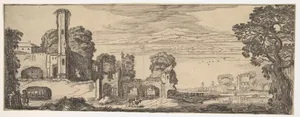
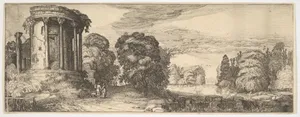
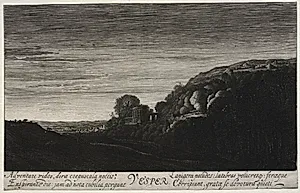
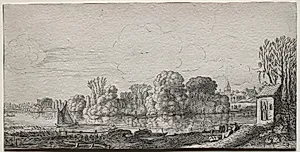
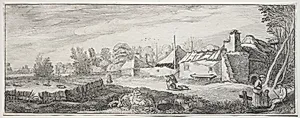
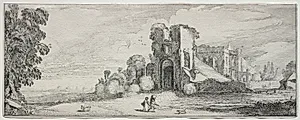
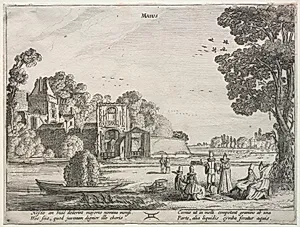
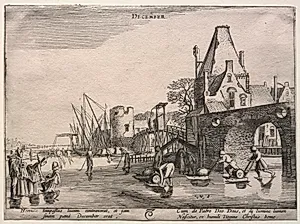
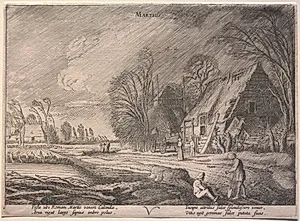
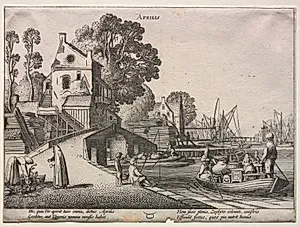
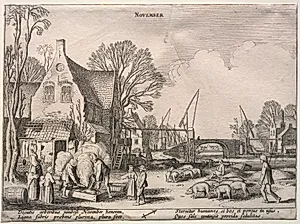
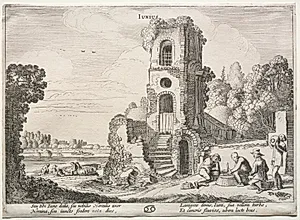
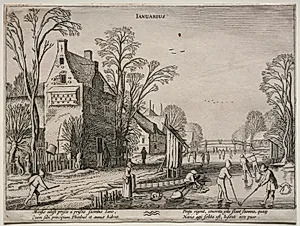
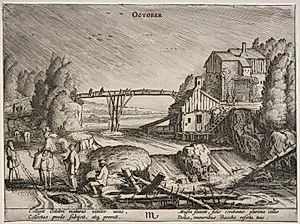
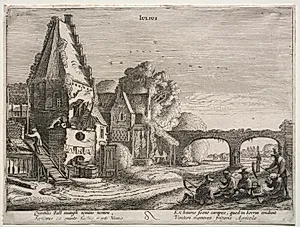
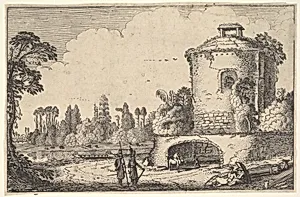
Van de Velde developed a richly atmospheric style that drew heavily on the landscapes and rural scenes popularized by his Haarlem contemporaries, particularly the circle around Esaias van de Velde. His etchings and engravings capture the flat Dutch countryside, windmills, farmhouses, and seasonal peasant life with remarkable tonal subtlety and a keen feeling for natural light. He was especially adept at rendering the soft transitions between sky and earth that would become hallmarks of the Golden Age landscape tradition.
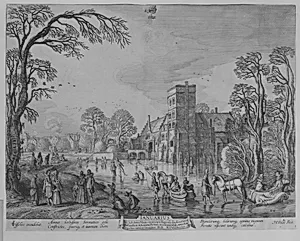
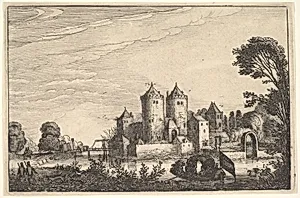
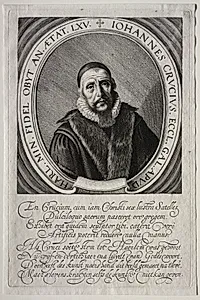
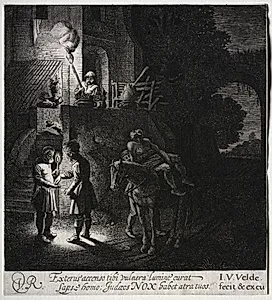
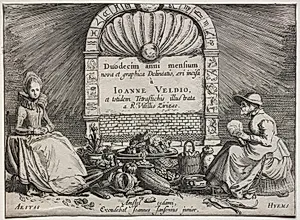
Among his most celebrated works is the series of landscape prints published in the 1620s, which circulated widely across Europe and helped establish conventions for depicting the Dutch countryside. He also produced genre scenes, vanitas still lifes, portraits, and allegorical compositions, demonstrating a range that went well beyond landscape. His prints were frequently reproduced and copied, testifying to their popularity with collectors and publishers alike.
Van de Velde's contribution to the development of Dutch landscape printmaking is considerable, even if he is sometimes overshadowed by later giants of the tradition. His work provided a vital link between the Mannerist printmaking of Goltzius and the more naturalistic vision that would culminate in the landscapes of Rembrandt and Jacob van Ruisdael. His prints remain valued examples of the Golden Age graphic arts.