Ctrl K
1550–1601
**Johann Sadeler I (also known as Jan or Johannes Sadeler), born in Brussels in 1550 and active until his death in Venice in 1600, stands as a pivotal figure in the Sadeler family, the most prolific dynasty of Flemish engravers and print publishers in Northern Europe during the late sixteenth and early seventeenth centuries.**
As the eldest of three brothers—including Aegidius I and Raphael I—he descended from armor engravers (“chasers”) from Aalst. Sadeler established himself in Antwerp by 1572, where he became a master of the Guild of Saint Luke, married in the cathedral, and worked for the renowned publisher Christopher Plantin. His early training unfolded within Antwerp’s vibrant printmaking workshops and the family tradition rather than under a single named mentor.
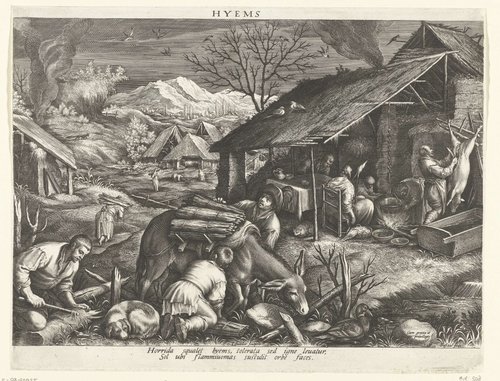
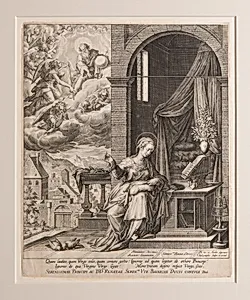
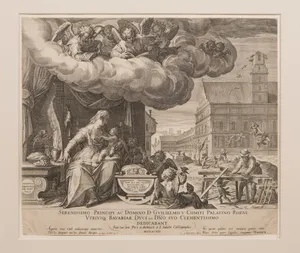
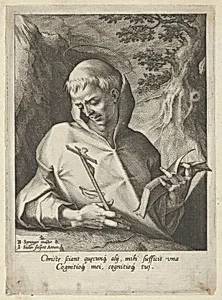
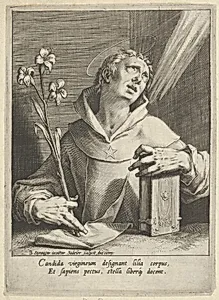
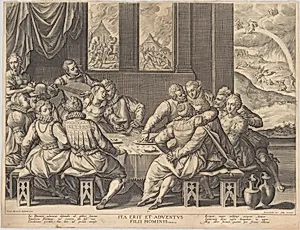
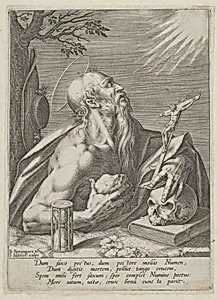
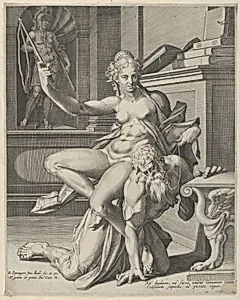
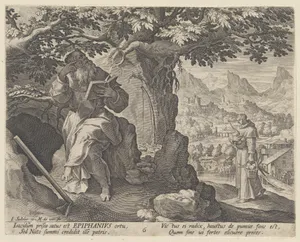
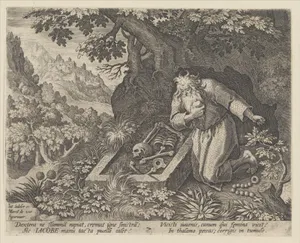
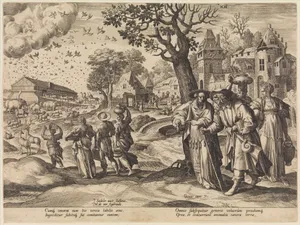
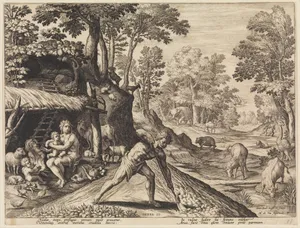
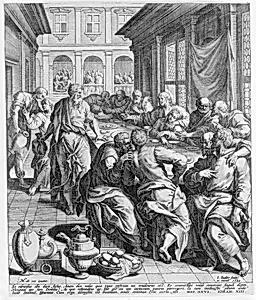
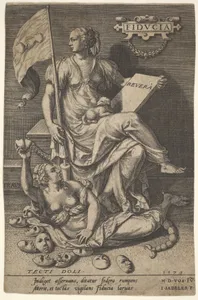
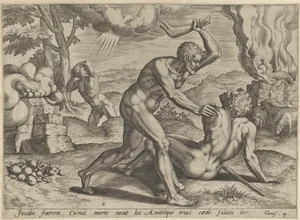
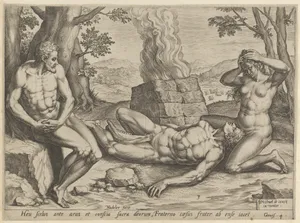
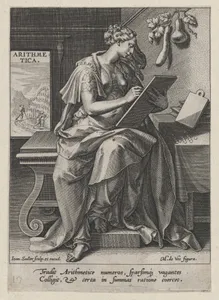
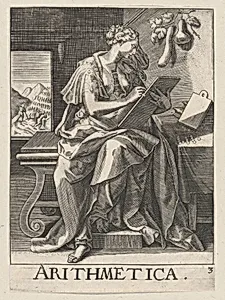
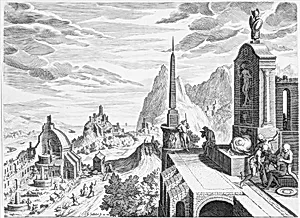
Sadeler specialized in high-quality reproductive engravings that disseminated the styles of leading contemporary painters across Europe. He collaborated closely with his brothers, moving from Antwerp to Cologne around 1579, then serving as court engraver in Munich from 1588 to 1595 alongside Raphael. In 1593 the brothers traveled to Italy, settling in Venice by 1596–97, where they operated a successful shop. His prints often reproduced works by the Bassano family (notably the celebrated “Sadeler kitchen scenes” depicting biblical meals), Maarten de Vos, Dirck Barendsz, and others, blending Flemish precision with Northern Mannerist elegance in religious, allegorical, and mythological subjects.
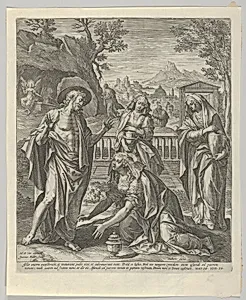
Among his notable series are engravings of the Seven Planets after de Vos and numerous Passion and biblical scenes. At his death in Venice, his shop inventory listed 475 copperplates, underscoring the scale of his enterprise. Sadeler’s son Justus continued the business there, while the broader family dynasty extended the reach of Northern printmaking into Germany, Bohemia, and Italy. His legacy endures in major museum collections worldwide, where his engravings remain essential documents of late Renaissance visual culture and the power of reproductive print to shape artistic reputations.