Ctrl K
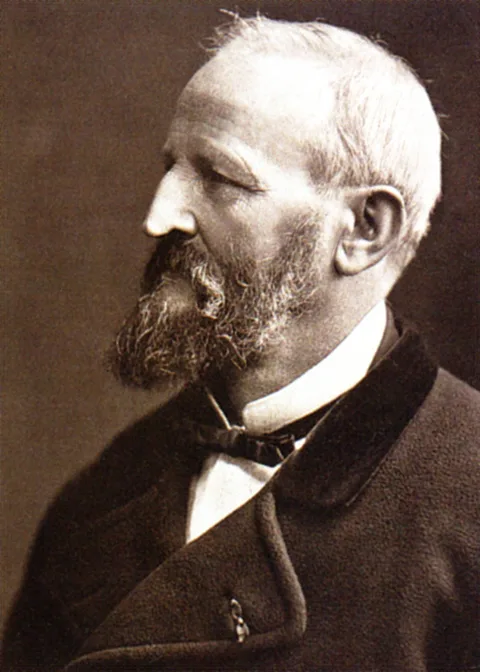
1809–1893
Johann Carl Bodmer was born on February 11, 1809, in Zürich, Switzerland, and received his training as a painter and engraver under his uncle Johann Jakob Meier, who had himself studied under the prominent engraver Heinrich Füssli. By the late 1820s Bodmer had relocated to Koblenz, Germany, where his work came to the attention of Prince Maximilian zu Wied-Neuwied, a German naturalist-explorer planning a scientific expedition to North America. The prince hired the young Swiss artist as the expedition's visual chronicler, and on May 17, 1832, Bodmer sailed with Maximilian and a taxidermist named David Dreidoppel for the American continent.
Over the following two years, Bodmer traveled the Missouri River with extraordinary dedication, producing watercolors and sketches of remarkable accuracy and sensitivity. The party journeyed by steamboat and keelboat approximately 2,500 miles upriver from St. Louis, reaching Fort McKenzie near present-day Fort Benton, Montana — the furthest point of their penetration into the northern plains. Along the way, Bodmer documented the landscapes, wildlife, and Native peoples of the Missouri River corridor, including the Mandan, Hidatsa, Assiniboine, Blackfeet, and other nations, many of whom would be devastated by a catastrophic smallpox epidemic just a few years later. His images of these communities therefore carry a unique historical and ethnographic weight. From his field work, 81 aquatints were produced to illustrate Prince Maximilian's account of the journey, published in German as Reise in das innere Nord-Amerika (1839–1841) and in English in 1843–1844.
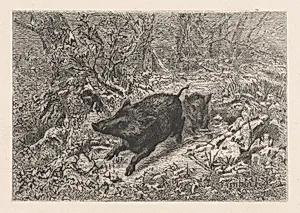
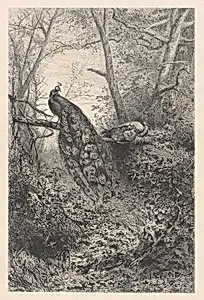
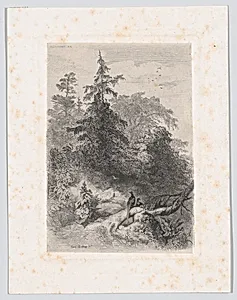
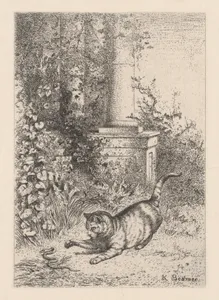
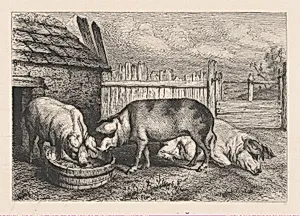
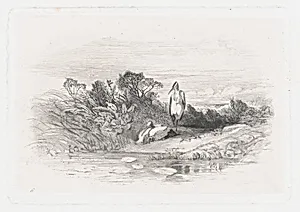
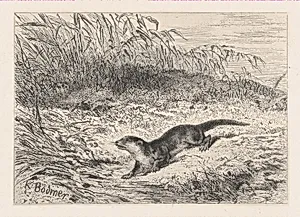
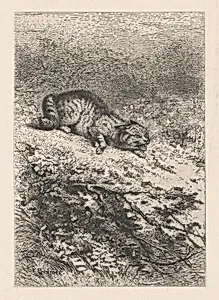
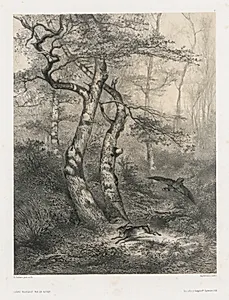
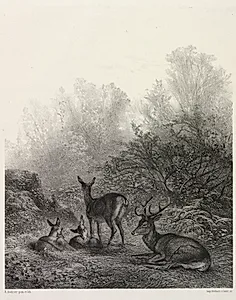
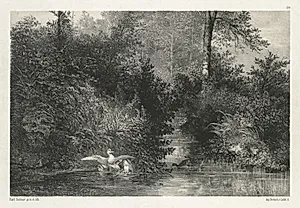
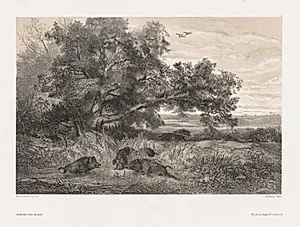
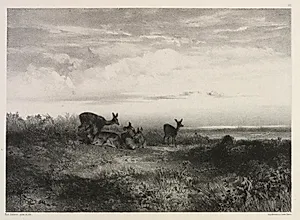
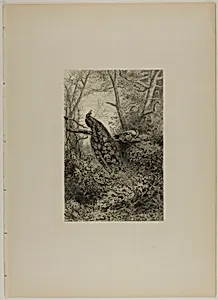
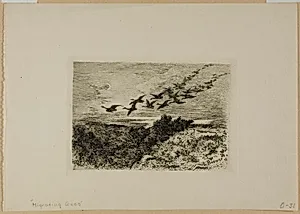
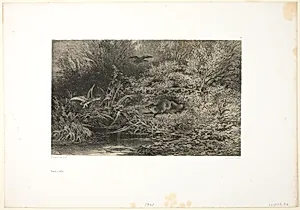
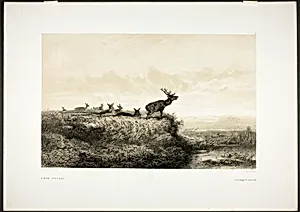
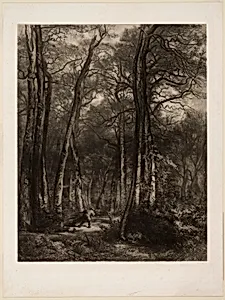
Following his return to Europe, Bodmer settled in Barbizon, France, joining the celebrated colony of landscape painters — the Barbizon School — who worked in and around the Forest of Fontainebleau. He became a French citizen and pursued a long career as a landscape and animal painter, becoming a Knight of the French Legion of Honour in 1877. He died in Paris on October 30, 1893. In the United States, Bodmer is remembered above all for his Missouri River images — a record of the pre-reservation Plains world whose artistic quality and documentary precision remain without parallel.