Ctrl K
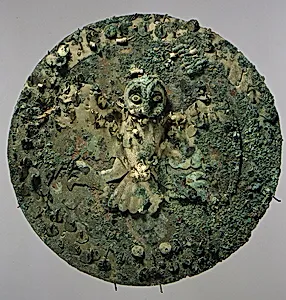
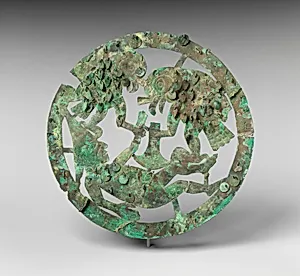
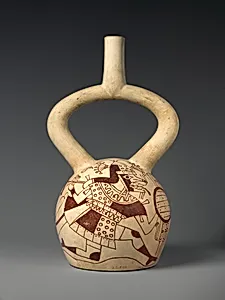
The Moche artists flourished between approximately 100 and 800 CE along the northern coast of Peru, in valleys such as Moche, Chicama, and Virú, creating a profound body of work in ceramics, metalwork, and monumental architecture that defined their stratified society. Centered around sites like Huaca del Sol and Huaca de la Luna near modern Trujillo, these anonymous artisans operated in specialized workshops, employing mold technology for mass production and techniques like slip-painting in red on cream grounds, fineline painting, and realistic modeling. Their iconography drew from earlier Chavín traditions, featuring anthropomorphic deities with fangs, the Decapitator figure, and motifs of sacrifice, warfare, agriculture, and daily life, including vivid erotic scenes and hybridized animals like felines and sea lions.
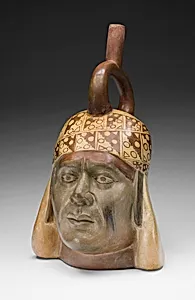
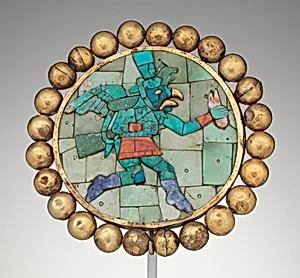
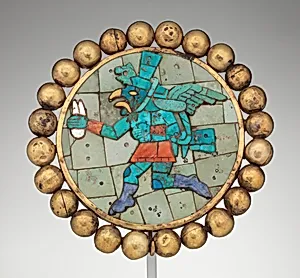
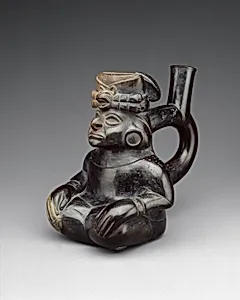
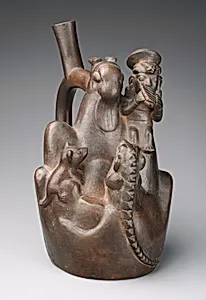
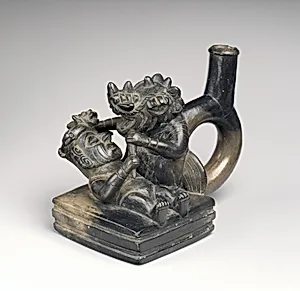
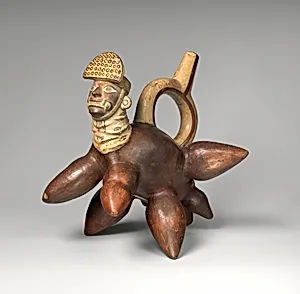
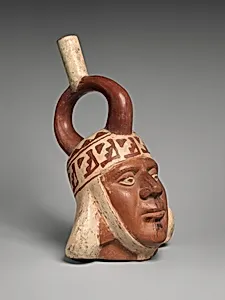
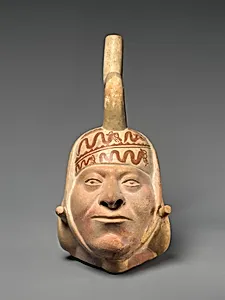
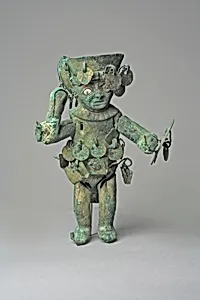
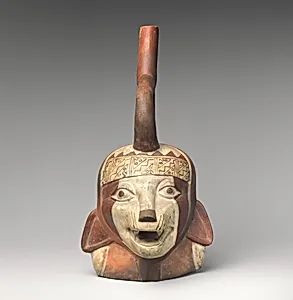
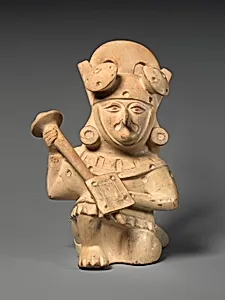
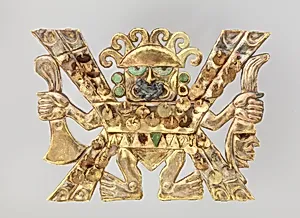
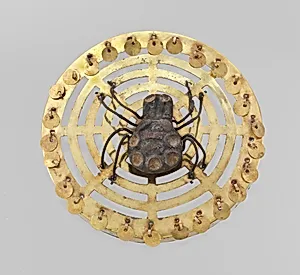
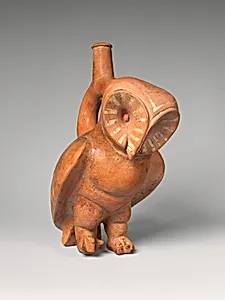
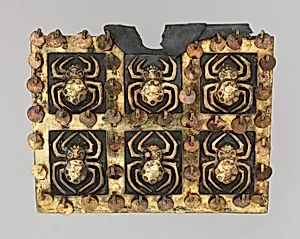
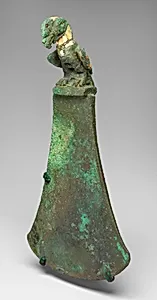
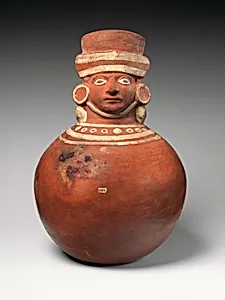
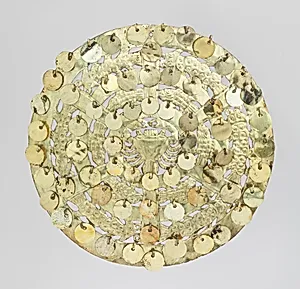
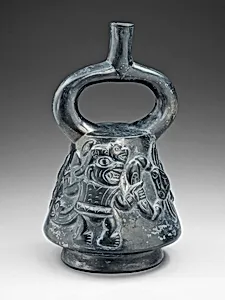
Moche ceramics epitomized north coast artistry through standardized forms like stirrup-spout bottles and flaring bowls, often three-dimensional with narrative paintings on two-dimensional surfaces. Portrait vessels stand out as a hallmark innovation: naturalistic, individualized heads—mostly of elite men, sometimes showing physical defects like harelips—serving possibly as didactic tools or grave offerings, produced from 100 to 700 CE. Iconic examples include the Huaco Retrato Mochica (ca. 600 CE) at the Larco Museum, depicting a turbaned ruler with avian headdress, and vessels like the Stirrup-spout bottle with seated figure (200–500 CE) or decapitation scenes (200–500 CE), alongside warrior bottles and sea lion hunts (4th–7th centuries). Metalwork complemented this, with electrochemical gilding, tumbaga alloys, and ornate tomb goods from Sipán, such as the gold feline mask of the Lord of Sipán (ca. 300 CE) and the regalia of the Lady of Cao (ca. 450 CE).
The Moche left an indelible legacy, influencing successor cultures like the Sican and Chimú with their goldsmithing and huaco portraits, and even Inca techniques in plating and weaving. Their Huaca de la Luna murals and over 900 documented portrait vessels—95% looted—reveal a society obsessed with ritual, reciprocity, and realism rare in the Americas. Today, collections like the Art Institute of Chicago's 365 Moche pieces preserve this vibrant world, underscoring their mastery in capturing human complexity amid cycles of feast, combat, and cosmic renewal.