Ctrl K
1790–1870
Occupations
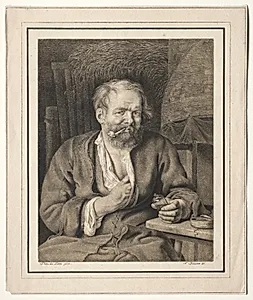
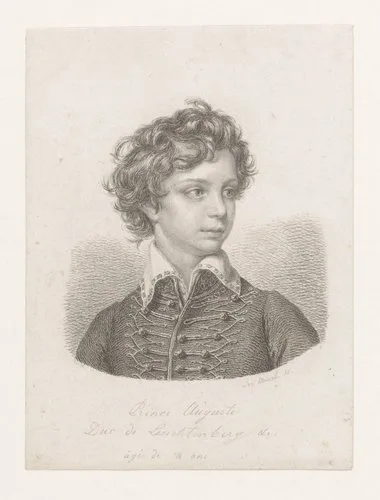
Johann Nepomuk Muxel (1790-1870) was a German painter and etcher who devoted much of his career to documenting the celebrated art collection of Eugene de Beauharnais, Duke of Leuchtenberg, through meticulous reproductive prints. Born on April 20, 1790, in Munich and dying on May 17, 1870, also in Munich, Muxel's eighty-year life spanned a crucial period in European art history when reproductive printmaking played an essential role in disseminating knowledge of paintings to audiences beyond the aristocratic collectors who owned them. Muxel's most significant contribution was his extensive work cataloging and reproducing paintings from the Leuchtenberg Gallery in Munich. Eugene de Beauharnais, stepson of Napoleon Bonaparte and Duke of Leuchtenberg, assembled one of the most important private art collections in early nineteenth-century Germany. Muxel created catalogues of pictures forming this celebrated gallery, producing publications in multiple languages including German, French, and English throughout the 1820s-1850s. His work appeared in editions titled "Gemalde Sammlung in Munchen seiner koniglichen Hoheit" (Painting Collection in Munich of His Royal Highness), published from 1837 to 1842, which documented the Duke's collection through carefully executed plates. These publications served both as records of the collection and as means of sharing knowledge of important artworks with scholars, collectors, and educated audiences across Europe. Muxel's reproductive prints thus contributed significantly to art historical knowledge and the appreciation of painting in the pre-photographic era.
Johann Nepomuk Muxel was born on April 20, 1790, in Munich, the capital of Bavaria in southern Germany. He received training in painting and etching, developing skills that would allow him to work both as an independent artist and as a reproductive printmaker. Munich's position as a major cultural center with significant royal and aristocratic art collections provided opportunities for artists skilled in reproductive printmaking.
Muxel's career became closely associated with documenting the art collection of Eugene de Beauharnais, Duke of Leuchtenberg. The Duke, who was Napoleon Bonaparte's stepson and had received the title Duke of Leuchtenberg from his father-in-law King Maximilian I of Bavaria, assembled one of the most important private art collections in Germany. Muxel undertook the massive project of creating comprehensive catalogues of this collection, producing publications in German, French, and English. His "Gemalde Sammlung in Munchen seiner koniglichen Hoheit" (1837-1842) presented carefully executed plates documenting paintings in the collection. These publications appeared in multiple editions throughout the 1820s-1850s, making knowledge of these important artworks available to audiences who could never view the originals. Beyond the Leuchtenberg project, Muxel worked as a painter and etcher on other subjects, though his reputation rests primarily on his documentary work. He died in Munich on May 17, 1870, at age eighty, having spent five decades contributing to art historical documentation through reproductive printmaking.
Artheon Research Team
Last updated: 2025-11-09
Biography length: ~461 words
Wikidata (CC0); Getty ULAN (ODC-By)