Ctrl K
1736–1786
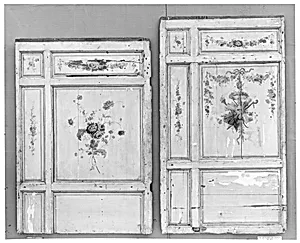
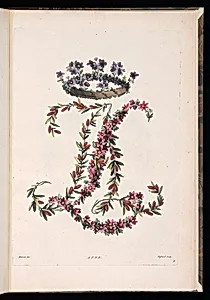
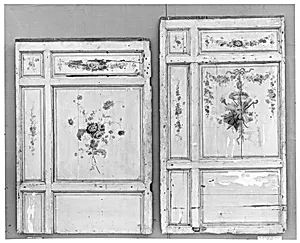
**Pierre Ranson (1736–1786)** was a French artist and engraver born in Paris, where he spent his life and career until his death on September 26, 1786. Little is known about his early life or formal training, as biographical details remain sparsely documented beyond his professional output. Ranson emerged as a specialist in decorative design, creating intricate pattern books that catered to the opulent tastes of late eighteenth-century France. He worked as a designer at the renowned Aubusson tapestry factory, producing floral motifs, neo-classical ornaments, and textile patterns that extended to wall coverings, silks, and furniture upholstery.
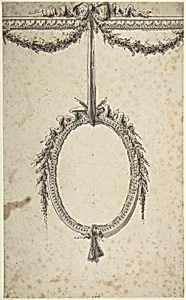
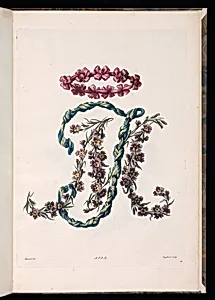
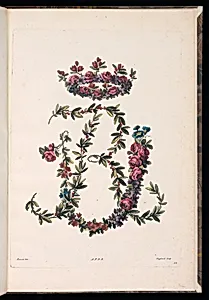
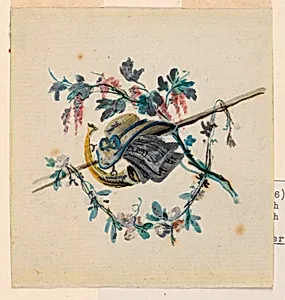
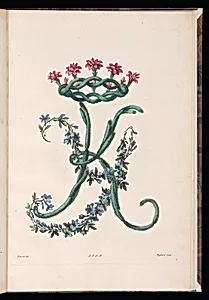
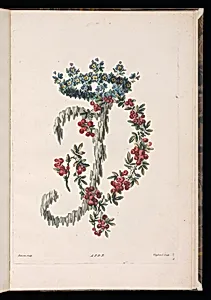
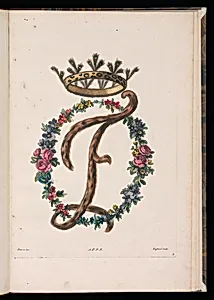
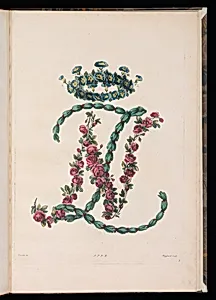
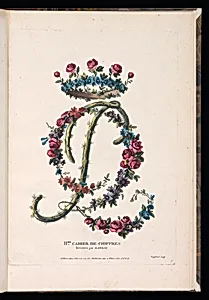
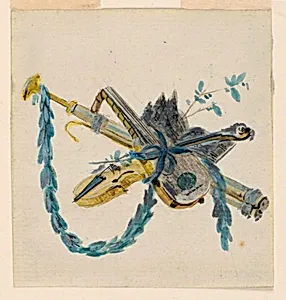
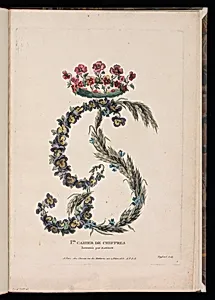
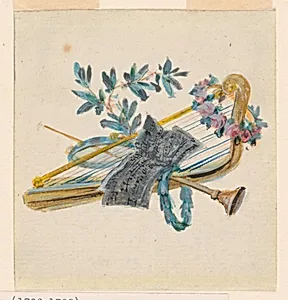
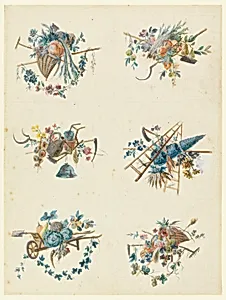
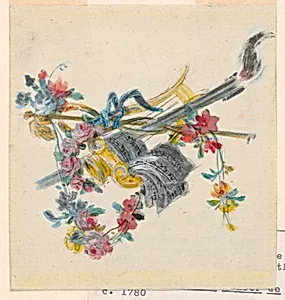
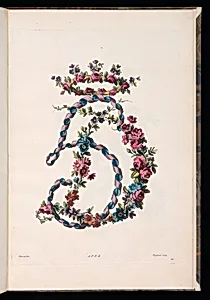
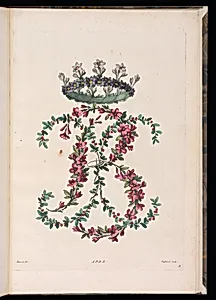
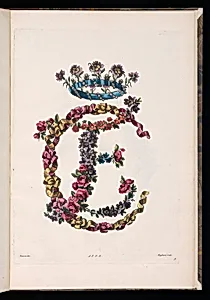
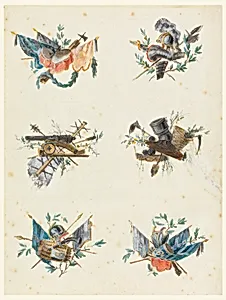
Ranson's artistic style bridged the lavish Rococo flourishes of mid-century with emerging Neoclassical restraint, emphasizing symmetrical trophies, garlands, vases, and attributes symbolizing the arts, sciences, and gardening. His designs, often rendered in pen, ink, watercolor, and gouache, were translated into engravings by collaborators like Etienne Claude Voysard and Pierre G. Berthault for publication by firms such as Mondhare, Esnauts et Rapilly, and Jacques Juillet. These prints served practical purposes for artisans, offering templates for interior decoration and textiles in an era of aristocratic grandeur.
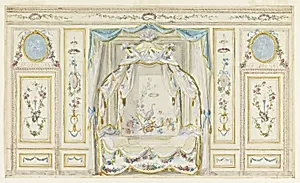
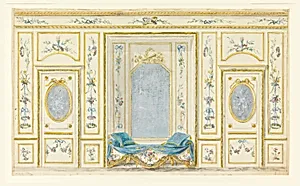
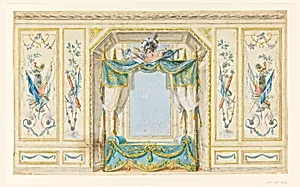
Among his major works are the multi-volume *Oeuvres d'ameublement* (c. 1780), featuring furniture and upholstery motifs; *Trophées des Arts et Sciences* (c. 1770); and series like *Cahier de Groupes de Fleurs et d'Ornemens* (1773), *Oeuvres contenant un recueil de trophées, attributs, cartouches, vases, fleurs* (1778), and *II Cahier de décorations d’appartements* (1777–79), including wall elevations such as the *Elevation of the Wall of a Bedroom with Alcove* (c. 1780). These publications, sometimes in sets of up to 400 plates, captured the essence of French decorative arts on the eve of the Revolution.
Though not a household name like his contemporaries Fragonard or Watteau, Ranson's legacy endures in major collections, including the Metropolitan Museum of Art, National Gallery of Art, and Cooper Hewitt, where his prints and drawings inform studies of ornamental history. Valued by painter-decorators for their utility—"impossible to find" yet indispensable, as noted by collector Decloux—Ranson's patterns influenced textile and interior design, preserving the elegance of ancien régime aesthetics amid political upheaval. His contributions highlight the collaborative world of printmakers and factories that shaped everyday luxury in pre-Revolutionary France. (Word count: 378)