
Bowl
Unknown Artist
13th century
Medium
Stonepaste; painted under transparent glaze
Dimensions
H. 5 in. (12.7 cm)
Classification
Ceramics
Department
Islamic Art
Museum
Metropolitan Museum of Art, New York, NY
Credit
Purchase, V. Everit Macy Gift, 1930
Accession Number
30.112.50
Rights
Public Domain
Art Historical Context
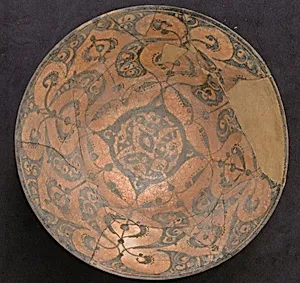
This elegant 13th-century stonepaste bowl, standing just 5 inches tall, exemplifies the masterful ceramics of the Islamic world, now housed in the Metropolitan Museum of Art's Islamic Art Department. Crafted by an unknown artist, it reflects the height of medieval Islamic pottery production, likely from regions like Iran or Syria during the Seljuk or early Mongol periods. Such bowls were everyday vessels elevated to art through exquisite craftsmanship, blending utility with aesthetic splendor. The medium—stonepaste, or fritware, composed of quartz, clay, and glass frit—revolutionized Islamic ceramics by mimicking the translucency and durability of coveted Chinese porcelain, unavailable in the West at the time. Artists painted intricate designs under a transparent glaze before firing, creating vibrant, durable colors that have endured for centuries. This technique allowed for delicate forms and bold motifs, often evoking floral patterns or calligraphy symbolizing paradise and divine beauty. Acquired through the V. Everit Macy Gift in 1930, this bowl invites visitors to appreciate the anonymous genius of Islamic artisans, whose innovations influenced global ceramics and continue to inspire today. A testament to cultural exchange along the Silk Road, it whispers stories of a thriving, sophisticated society.