
City View
1797-1858
Classification
landscapes
Department
Smithsonian Collection
Museum
Smithsonian American Art Museum
Credit
Gift of the Estate of Mrs. Robert H. Patterson
Accession Number
1941-31-323
Rights
Public Domain
About this artwork
Research in Progress
Art Historical Context
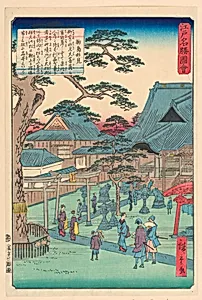
Ando Hiroshige (1797–1858), one of Japan's most celebrated ukiyo-e artists, masterfully captured the fleeting beauty of everyday life during the Edo period. Renowned for his evocative landscapes, Hiroshige's works often blend serene natural vistas with glimpses of human activity, using delicate lines and subtle color gradients achieved through woodblock printing techniques. *City View*, housed in the Smithsonian American Art Museum's collection as a gift from the Estate of Mrs. Robert H. Patterson, exemplifies his skill in depicting urban scenes, offering a window into 19th-century Japanese cityscapes amid a time of cultural flourishing under the Tokugawa shogunate. Though the medium remains under research, Hiroshige's landscapes typically feature the vibrant yet harmonious palette of ukiyo-e—"pictures of the floating world"—which celebrated transient pleasures and seasonal changes. This classification as a landscape highlights his influence on global art, inspiring Western Impressionists like Monet and Van Gogh with his atmospheric perspectives and everyday poetry. Visitors to the Smithsonian can appreciate how *City View* reflects Japan's artistic legacy, bridging Eastern traditions with universal themes of place and passage. (178 words)