Ctrl K
1600–1700
**Anonymous, Flemish, 17th century** represents one of the many unidentified painters active in the Southern Netherlands during the Baroque era. Early life details for this artist remain unknown, as is typical for figures whose names have not survived in historical records. No specific teachers or mentors are documented, though the body of work reflects the vibrant artistic environment of Antwerp and surrounding centers, where apprenticeships in guild workshops were standard.
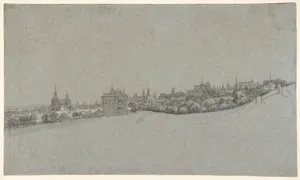
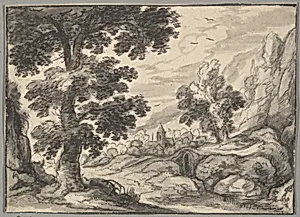
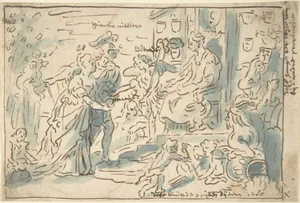
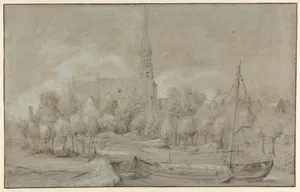
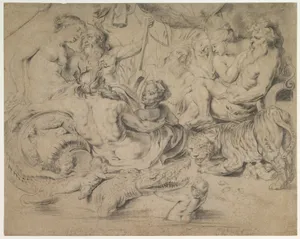
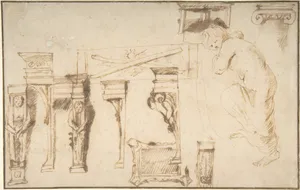
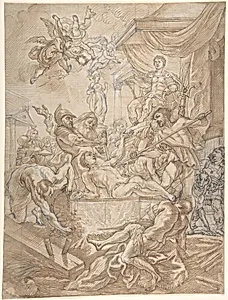
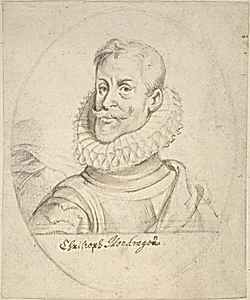
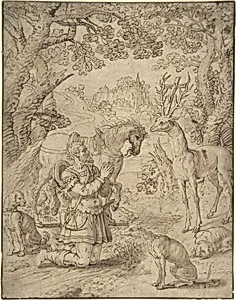
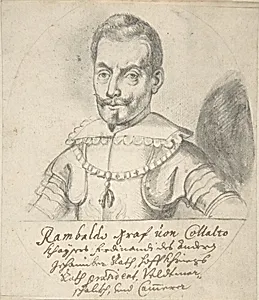
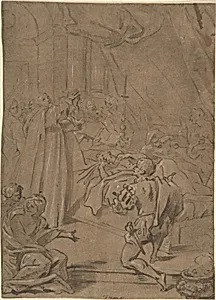
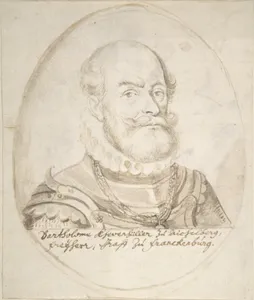
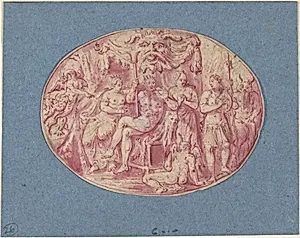
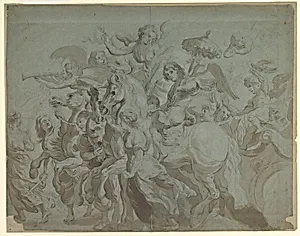
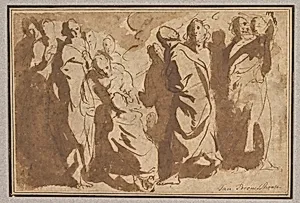
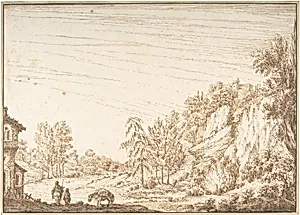
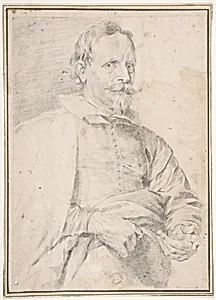
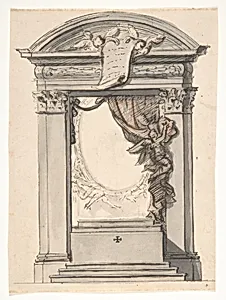
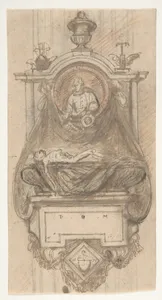
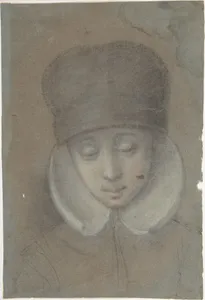
Stylistically, the artist worked within the Flemish Baroque tradition, characterized by rich color, dynamic compositions, and attention to naturalistic detail. Attributions often place these paintings in the orbit of leading masters such as Peter Paul Rubens and Anthony van Dyck, whose influence permeated portraiture, landscape, and religious subjects throughout the region. The 46 works in the collection demonstrate versatility across genres, from intimate portraits and still lifes to expansive landscapes, showcasing the technical skill and thematic breadth typical of 17th-century Flemish production.
No individual major works can be tied to a named creator, yet the corpus contributes significantly to our understanding of everyday artistic output beyond the famous names. These paintings frequently appear in museum holdings worldwide, including the Metropolitan Museum of Art and the National Gallery of Art, where they are catalogued simply as “Anonymous, Flemish, 17th century.” Their collective legacy lies in preserving the visual culture of the period—capturing the prosperity, religious devotion, and natural beauty of Flanders—while reminding viewers of the countless skilled hands whose identities have been lost to time.