Ctrl K
1700–1800
The artist known as Anonymous, French, 18th century, represents a collective of unidentified talents active roughly between 1700 and 1800, a period of profound artistic evolution in France from the opulent Rococo to the austere dawn of Neoclassicism and Revolutionary fervor. Little is documented about their personal training or mentors, as their anonymity obscures individual biographies, though the works reflect familiarity with the rigorous ateliers and academies of Paris, such as the Académie Royale de Peinture et de Sculpture. This shadowy figure—or figures—produced a prolific body of work, with 433 pieces in the Artheon Virtual Museum collection alone, spanning drawings, prints, and paintings that capture the era's social textures.
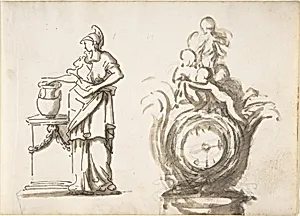
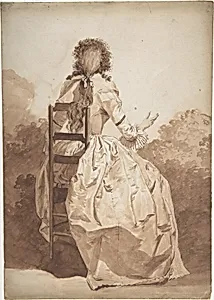
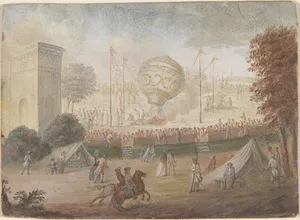
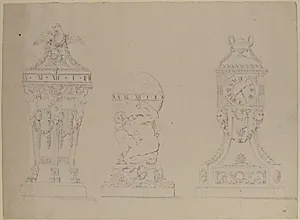
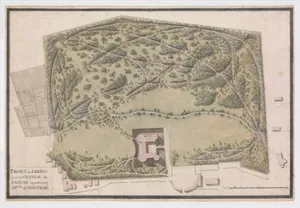
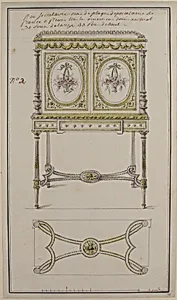
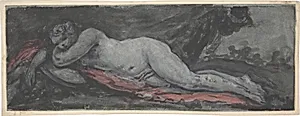
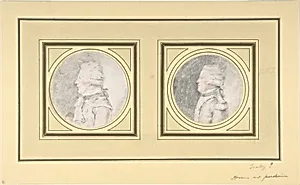
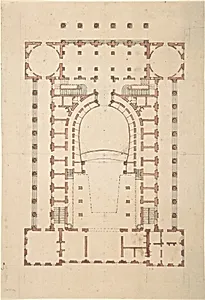
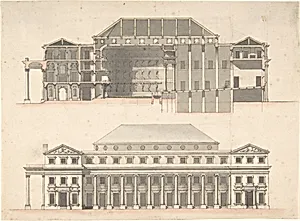
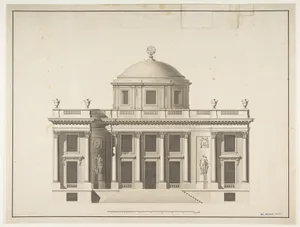
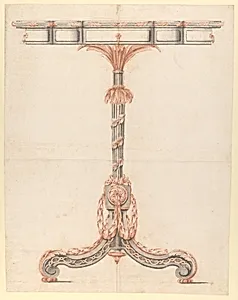
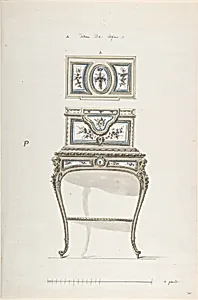
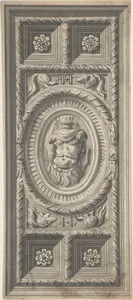
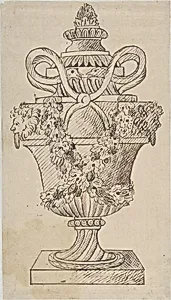
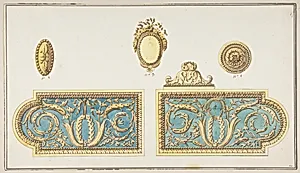
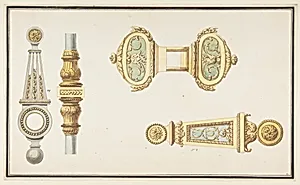
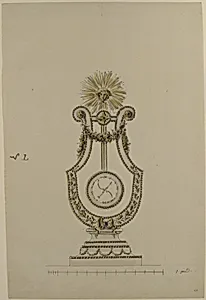
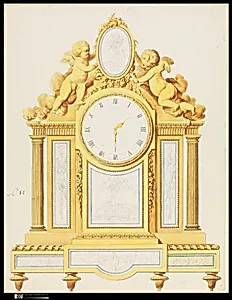
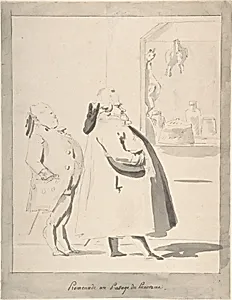
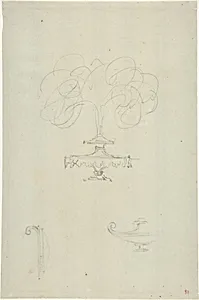
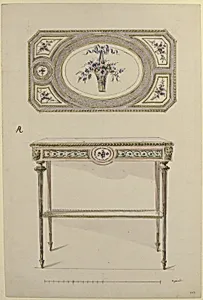
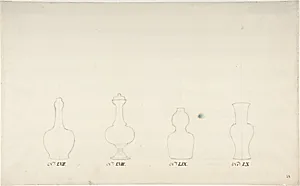
Stylistically, these artists worked in the rich French 18th-century tradition, employing delicate pen and ink, brush washes, etchings, engravings, and gouache on vellum or paper to evoke whimsy, satire, and grandeur. Subjects range from intimate portraits of nobility—like *Portrait of Marie Antoinette* and *Louis XVI, King of France*—to genre scenes, architectural views such as *Château de Picton Castle* (1735–43), and decorative designs for urns, candelabras, and reliquaries. Satirical etchings, including *Royalist trompe l'oeil* and caricatures like the *Comte de Provence as a Cat*, reveal a sharp wit attuned to political upheavals, while studies of figures, children, and anatomy showcase technical virtuosity in everyday draftsmanship. The National Gallery of Art holds 226 similar attributions, underscoring the breadth of this anonymous output.
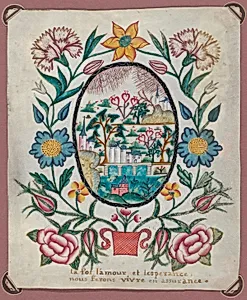
The legacy of Anonymous, French, 18th century endures through these artifacts, which illuminate the democratizing force of printmaking and minor arts often overshadowed by luminaries like Fragonard or David. Works like the hand-colored *The Two Are But One (Les deux ne font qu'un)* and the poignant *Valentine* (ca. 1775) offer glimpses into popular culture, romantic sentiment, and courtly intrigue, enriching our grasp of pre-Revolutionary France. In museum collections worldwide, from the Metropolitan to virtual repositories, they stand as testaments to the unsung hands that shaped visual history, reminding us that artistry thrived beyond fame.