Ctrl K
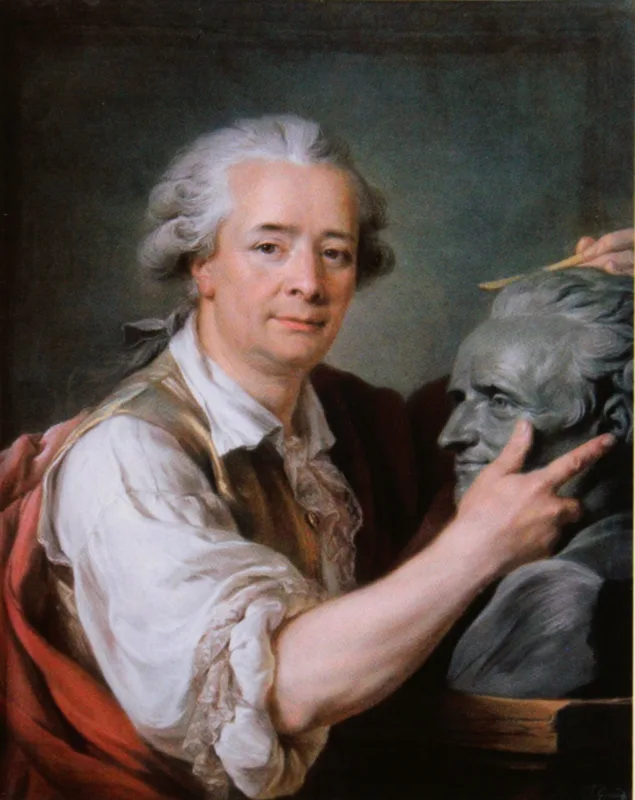
1730–1809
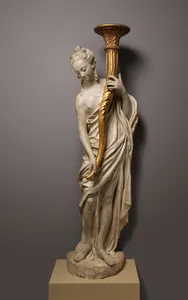
Augustin Pajou (1730–1809) was one of the foremost French sculptors of the second half of the eighteenth century, whose long and distinguished career bridged the Rococo grace of the Ancien Régime and the more sober classicizing spirit that emerged in the revolutionary and Napoleonic periods. Born in Paris into a family with artistic connections — his father was an ornamental sculptor — Pajou showed exceptional talent from an early age, studying at the École Royale des Élèves Protégés and winning the Prix de Rome in 1748. He spent formative years at the French Academy in Rome, where close study of antique sculpture and Renaissance art grounded his mature style.
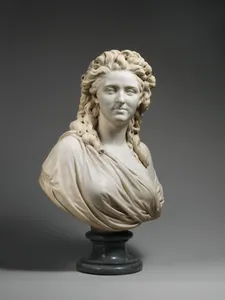
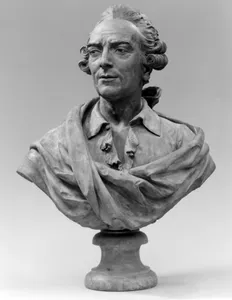
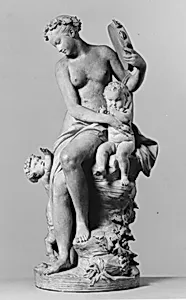
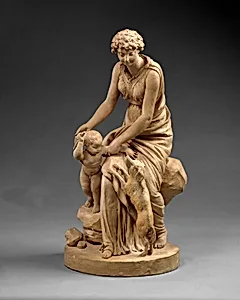
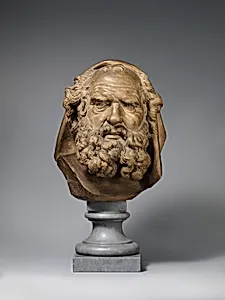
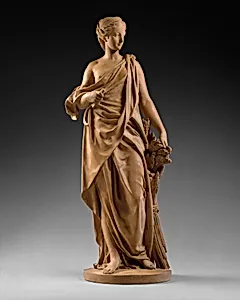
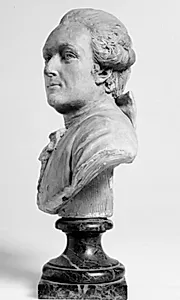
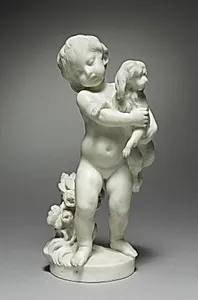
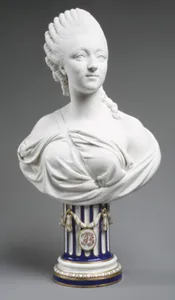
On his return to Paris, Pajou was admitted to the Académie Royale de Peinture et de Sculpture in 1760 and quickly established himself as one of the city's most sought-after sculptors. His work spanned a remarkably broad range: he produced monumental decorative sculpture for the Opéra and the Palace of Versailles, executed official portraits of members of the royal family and the aristocracy, and created intimate terracotta busts that rank among the most psychologically vivid portrait sculptures of the era. His bust of Madame du Barry, mistress of Louis XV, is a celebrated example of his ability to combine idealized elegance with individual character.
Pajou proved adept at navigating the political upheavals of the Revolution, surviving the collapse of the patronage system that had sustained him and finding new roles in the reorganized cultural institutions of the Republic and Empire. He was appointed keeper of the antiques at the Louvre and continued to receive public commissions, demonstrating a professional resilience that matched his artistic versatility.
His legacy is that of a consummate practitioner who embodied the ideals of French academic sculpture at its most accomplished. His portraits in particular are treasured for their combination of technical mastery and human sensitivity, and they remain important documents of the extraordinary social world of eighteenth-century France.