Ctrl K
1744–1784
**Chelsea Porcelain Manufactory**
The Chelsea Porcelain Manufactory, Britain's pioneering porcelain enterprise, was founded around 1743 in Chelsea, London, by two Huguenot silversmiths: Nicholas Sprimont from Liège and Charles Gouyn. Sprimont, trained in Paris as a goldsmith before immigrating to England, brought his expertise in luxury metalwork to the venture, while Gouyn handled early sales through his St. James's shop; Sprimont assumed sole managerial control by 1750. Sprimont's wife, Anne, and her sister, Susannah Protin, assisted in the business. Targeting an elite clientele near Ranelagh Gardens, the factory produced soft-paste porcelain marked by distinct anchors: incised triangle (1743–49), raised anchor (1749–52), red anchor (1752–56), and gold anchor (1756–69).
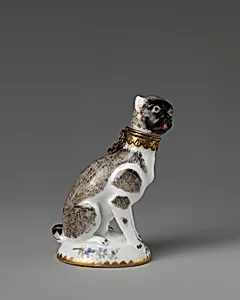
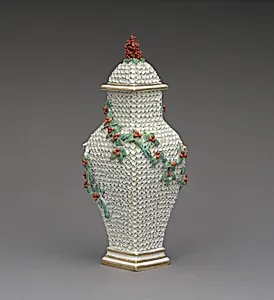
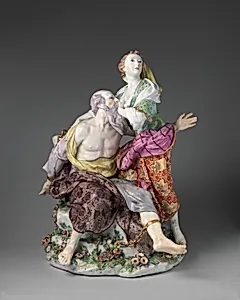
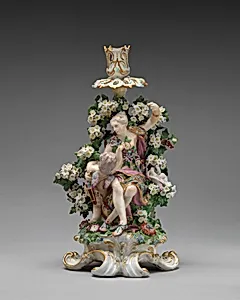
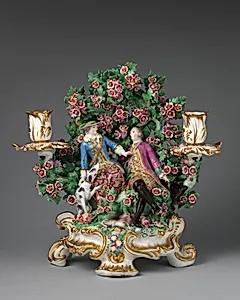
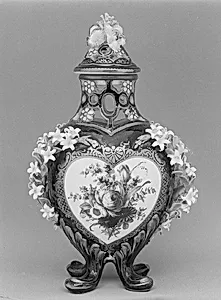
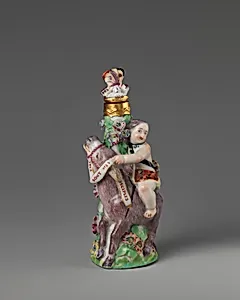
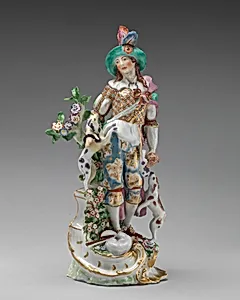
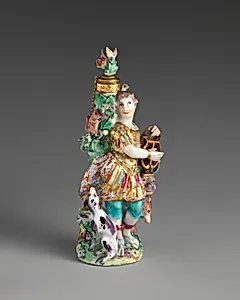
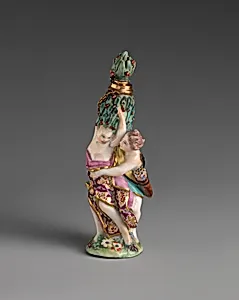
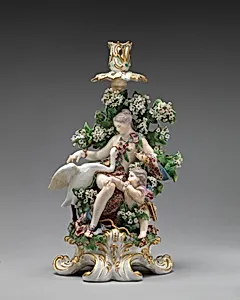
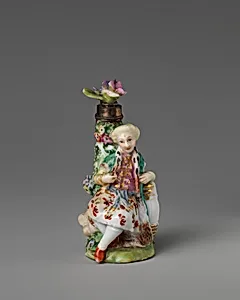
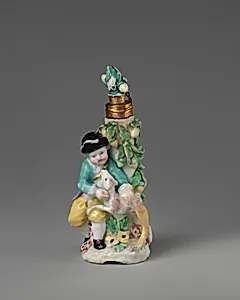
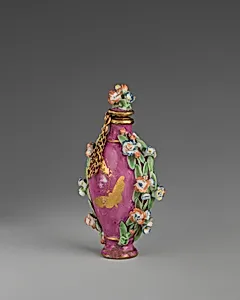
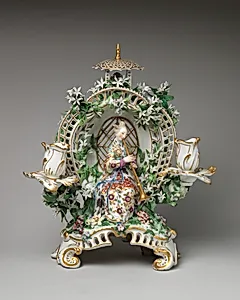
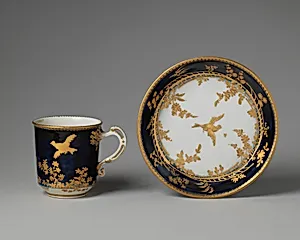
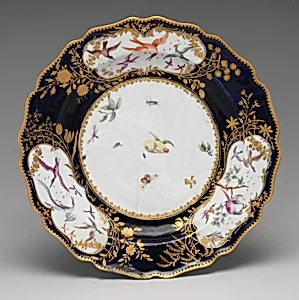
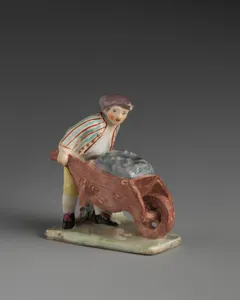
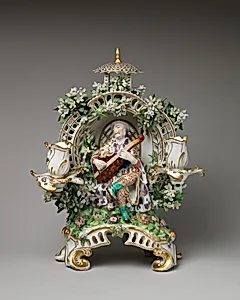
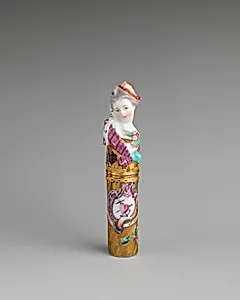
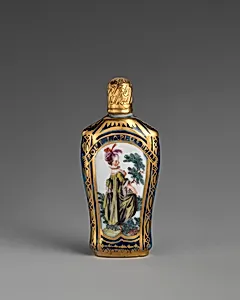
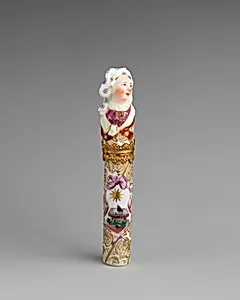
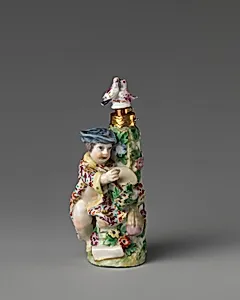
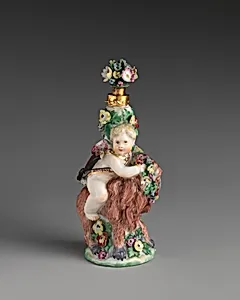
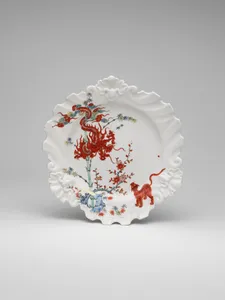
Working in the Rococo tradition, Chelsea excelled in translucent, glass-like bodies with lustrous lead glazes, drawing from Meissen for early figures and birds, Japanese Kakiemon patterns, and later Sèvres for vibrant grounds like mazarin blue and turquoise. Principal modeler Joseph Willems, a Flemish sculptor active from 1749 to 1766, crafted intricate figures on scroll bases with bocage screens, while painters like Jefferyes Hamett O'Neale decorated fable scenes and Louis-François Roubiliac contributed models such as Hogarth's pug dog *Trump* (1747–50). Signature outputs included whimsical "Chelsea toys"—miniature étuis, thimbles, and scent bottles—alongside tureens shaped as rabbits, crayfish, or plaice (c. 1755), botanical services inspired by Chelsea Physic Garden, and elaborate tablewares like the Mecklenburg service (1763) commissioned for George III.
Standout masterpieces showcase the factory's ambition: *The Music Lesson* (c. 1765, gold anchor period), a large group modeled by Willems after François Boucher engravings, depicting a shepherd teaching a shepherdess the flute amid bocage; the *Monkey Band* (red anchor); and *The Elements* (c. 1760–69). These rivaled continental wares in inventiveness and quality.
Plagued by the Seven Years' War, shifting Neoclassical tastes, and Sprimont's health, the factory was sold in 1769 to James Cox and acquired in 1770 by Derby's William Duesbury, producing Chelsea-Derby wares until demolition in 1784, with molds transferred to Derby. Chelsea's legacy endures as the vanguard of English porcelain, elevating national production to luxury status and inspiring later botanical designs, with pieces commanding top auction prices today.