Ctrl K
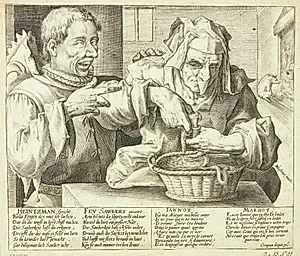
Crispijn de Passe I, born around 1564 in Arnemuiden, Zeeland, emerged as one of the most influential Dutch engravers and print publishers of his era. He relocated to Antwerp as a youth, where he honed his craft amid the city's vibrant printmaking scene, becoming an independent master in the Guild of Saint Luke by 1584–1585. There, he worked as a reproductive engraver, primarily after designs by prominent Antwerp Mannerist Maerten de Vos—a connection deepened by his marriage to Magdalena de Bock, niece of de Vos's wife. Religious tensions during the Dutch Revolt, compounded by his Anabaptist faith, forced his exodus: first to Aachen in 1588, then establishing a thriving publishing house in Cologne by 1589, before an 1611 exile led him to Utrecht, where he continued until his death in 1637.
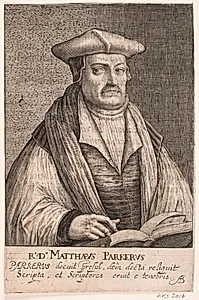
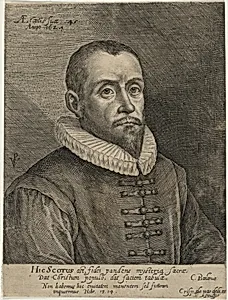
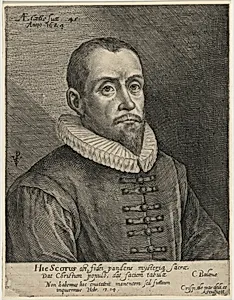
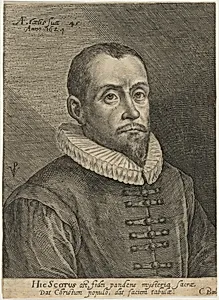
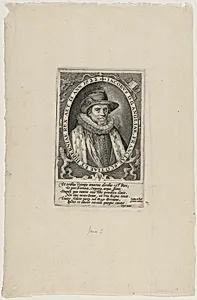
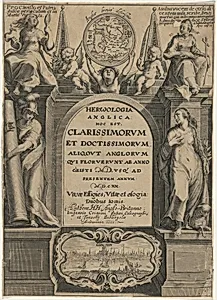
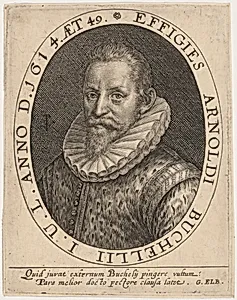
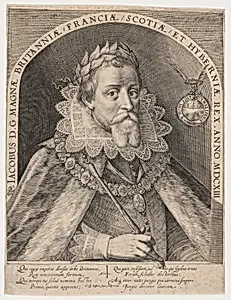
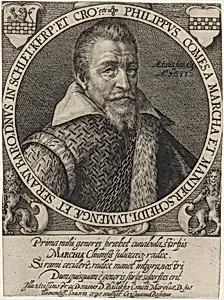
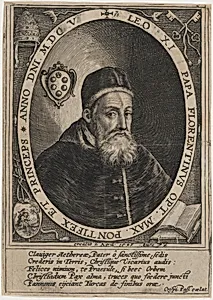
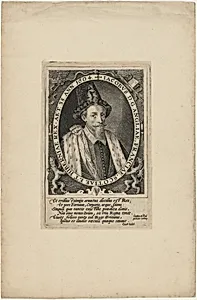
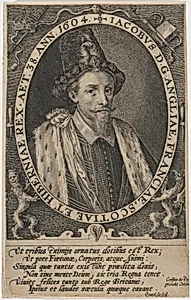
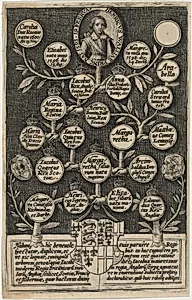
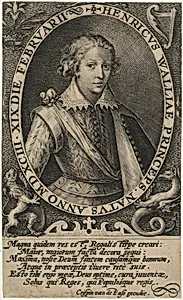
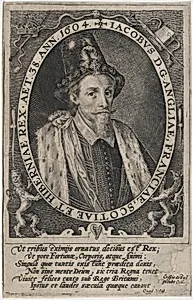
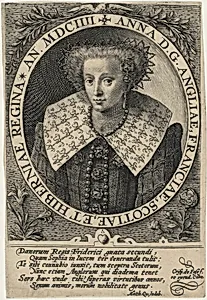
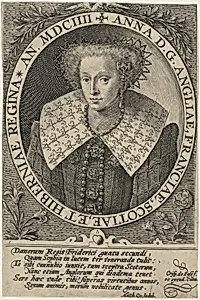
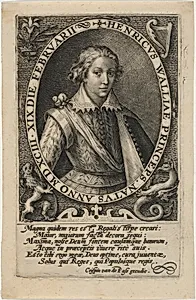
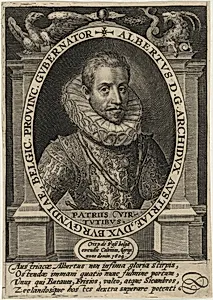
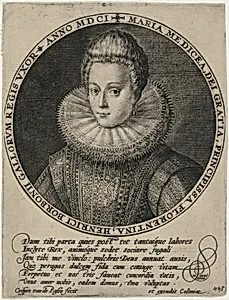
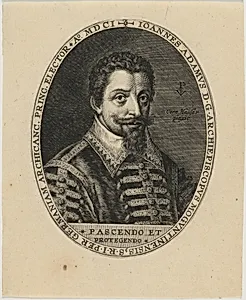
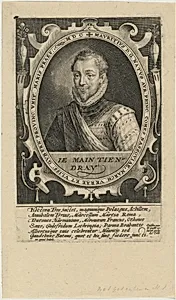
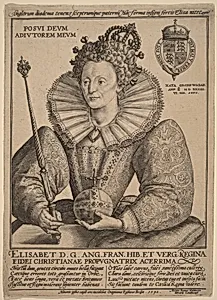
De Passe's oeuvre exemplifies the Antwerp reproductive engraving tradition, blending intricate line work with religious, allegorical, mythological, and portrait subjects. His early publications appeared under Antwerp firms like Philips Galle's, featuring de Vos's compositions on biblical scenes and moral emblems. In Cologne and Utrecht, he produced ambitious print series, including the *Sibyls* (1601–1612), portraits like Queen Elizabeth I (1592) and the Gunpowder Plot conspirators (1605), and collaborative books such as *Hortus Floridus* (after Jacques Le Moyne) and *Heroologia Anglica* (1620). These works, often paired with Neo-Latin poetry, catered to scholarly and noble patrons across Europe, including the English market via London partner Hans Woutneel.
De Passe's enduring legacy lies in founding a dynasty of engravers: his children—Simon, Crispijn II, Willem, and Magdalena—all became professionals, training in the family workshop and contributing to series like political portraits and equestrian manuals. Though the firm dissolved after his 1636 remarriage and death, his innovations in illustrated print books influenced the Dutch Golden Age's print culture, with his engravings gracing collections worldwide, from the National Gallery of Art (over 130 works) to the British Museum.