Ctrl K
1712–1793
Francesco Lazzaro Guardi (1712–1793) was born into a noble family of painters from Trentino who had settled in Venice. His father, Domenico Guardi, a minor painter trained in Vienna, died in 1716, leaving young Francesco to inherit the family workshop alongside his brothers Giovanni Antonio (Gian Antonio) and Niccolò, both artists, and sister Maria Cecilia, who married the renowned Giovanni Battista Tiepolo in 1719. Trained under his elder brother Gian Antonio, with whom he collaborated on early religious and figurative works, Guardi briefly joined the workshop of vedutista Michele Marieschi from 1735 to 1743. His first documented paintings date to 1738 for a Trentino parish, including the signed *Saint Adoring the Eucharist* (c. 1739).
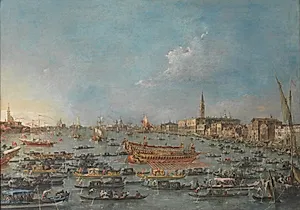
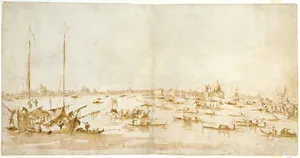
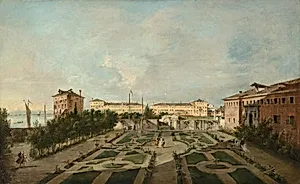
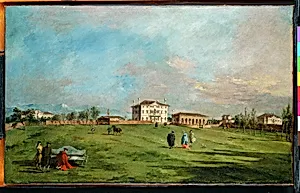
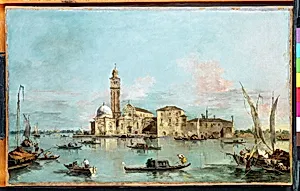
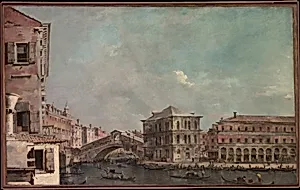
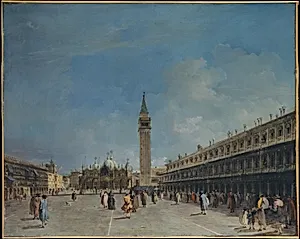
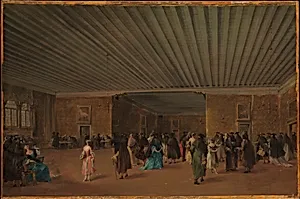
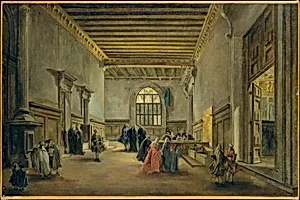
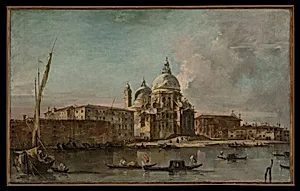
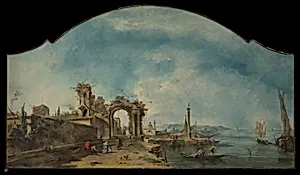
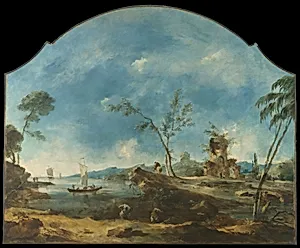
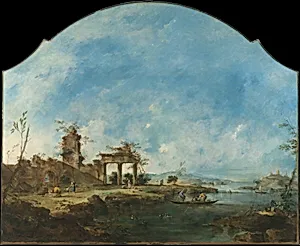
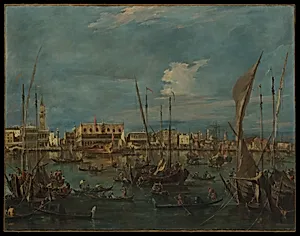
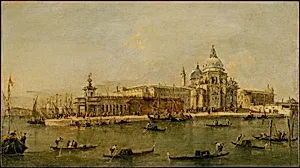
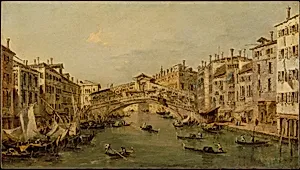
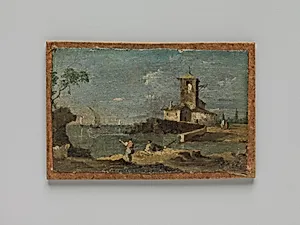
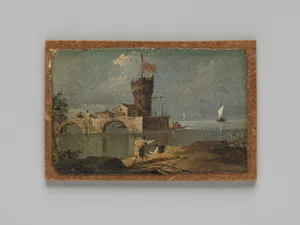
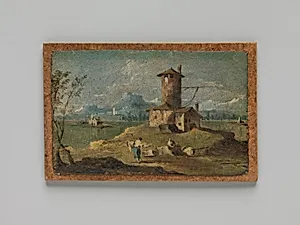
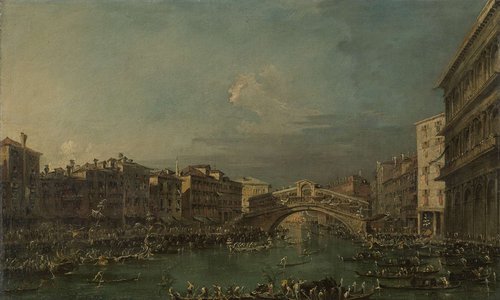
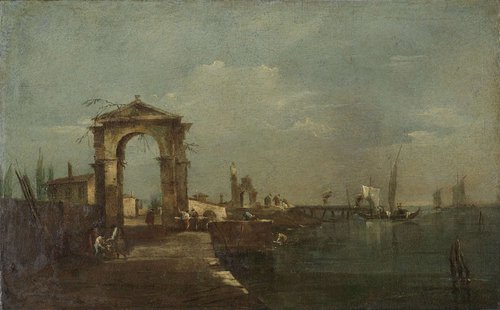
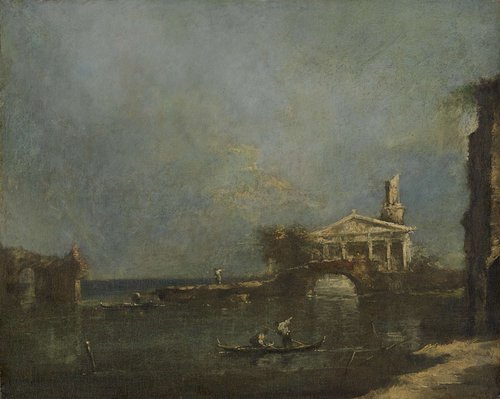
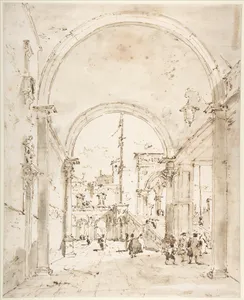
A key figure in the Venetian School—one of its last great practitioners—Guardi began with landscapes and figures influenced by Canaletto and Luca Carlevarijs but evolved a distinctive *pittura di tocco* style: loose, spirited brushstrokes, dotted effects, and atmospheric *sfumato* evoking Piazzetta, Ricci, and Magnasco. Unlike Canaletto's precise, sunlit architectures, Guardi's vedute captured Venice's hazy dusk, melting facades, and impending decay, blending real views with imaginative *capricci*. After Gian Antonio's death in 1760, he focused on these luminous cityscapes, rendering the lagoon's dazzling light and vibrant ceremonies with impressionistic freedom.
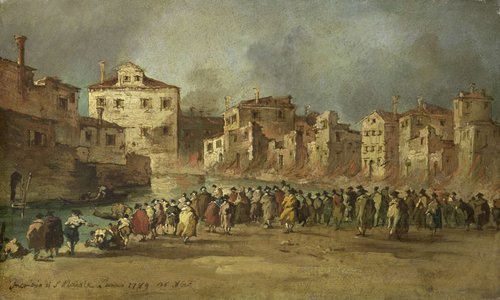
Among his masterpieces are the *Miracle of a Dominican Saint* (1763, San Pietro Martire, Murano), the twelve-canvas *Doge's Feasts* series (1763) honoring Doge Alvise IV Mocenigo, and festive scenes like *Regatta in Venice* (1770, Frick Collection), *The Bucintoro Festival* (1780–1793, National Gallery of Denmark), and *Procession of Gondolas in the Bacino di San Marco* (c. 1782, Museum of Fine Arts, Boston). Later commissions included views of the 1782 visits by Russian Grand Dukes and Pope Pius VI, *Fire in the Oil Depot at San Marcuola* (1789, Gallerie dell'Accademia), and the ethereal *Story of Tobit* for Chiesa dell'Angelo San Raffaele.
Elected to Venice's Fine Art Academy in 1782, Guardi's romantic, proto-Impressionistic visions of a fading republic captivated collectors, especially foreigners, and later inspired French Impressionists with their colored calligraphy and moody lagoons. His prolific output, blending poetry and transience, cements his legacy as Venice's supreme late Rococo vedutista.