Ctrl K
1734–1817
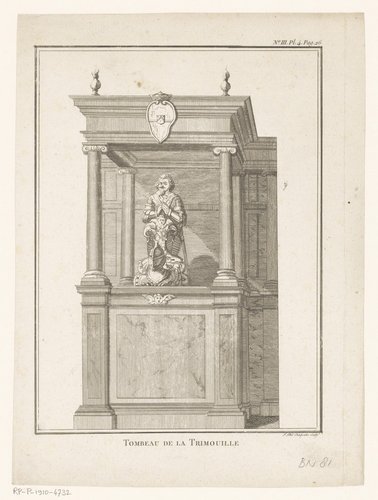
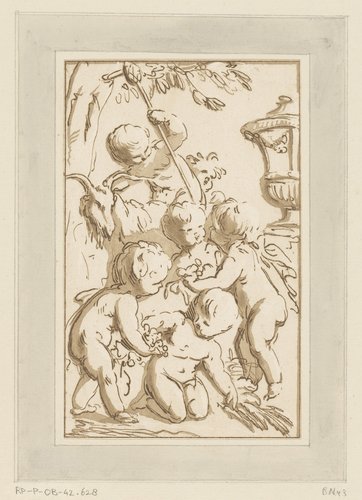
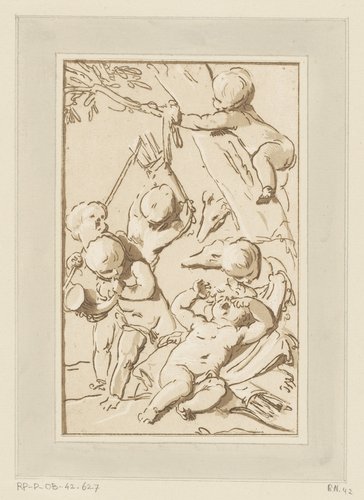
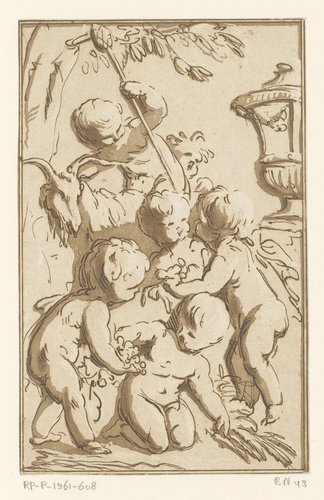
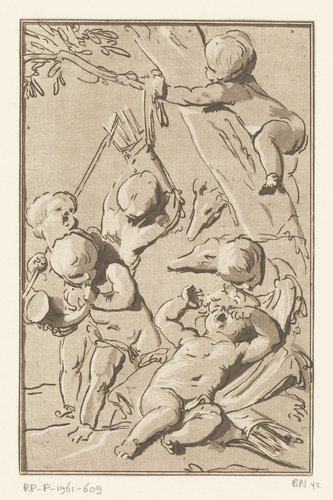
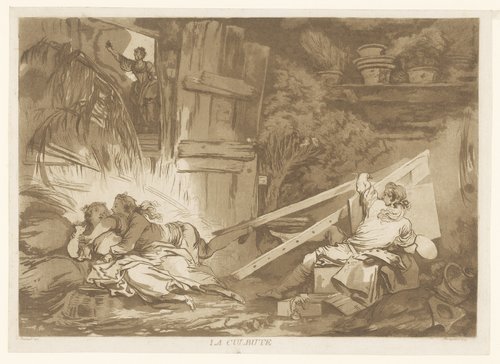
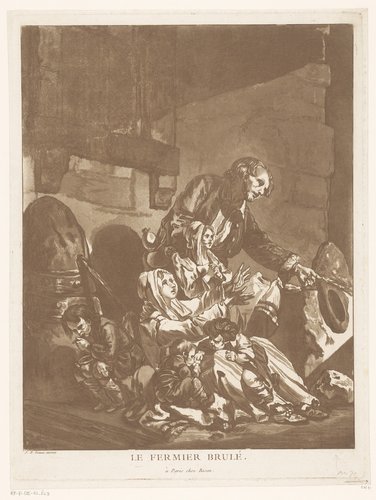
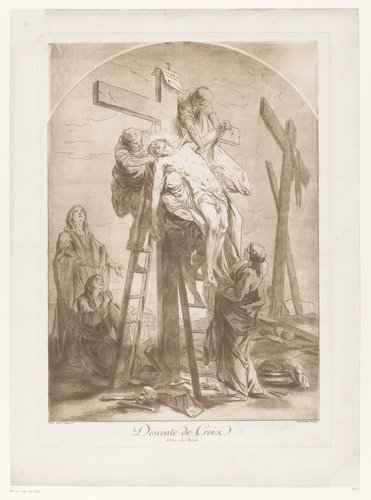
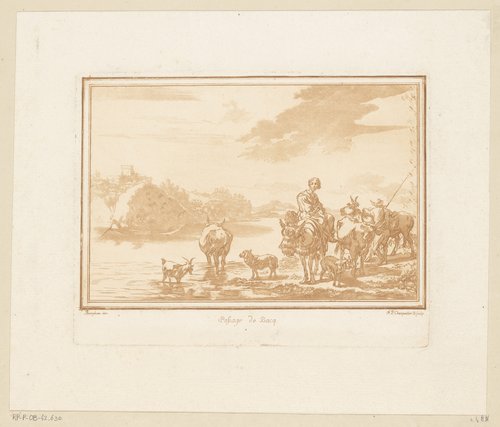
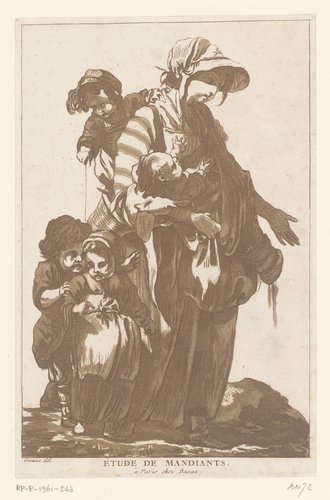
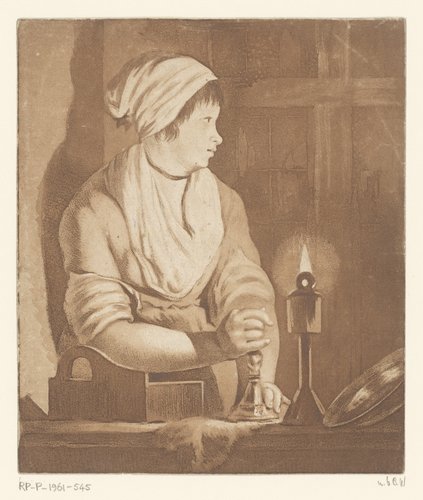
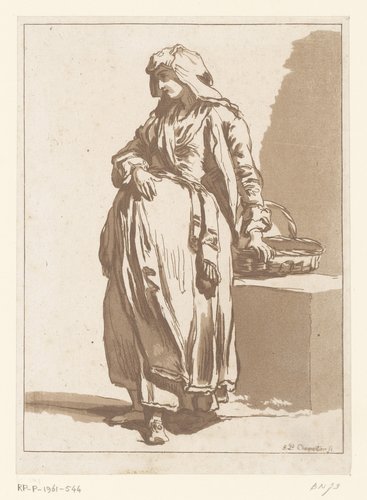
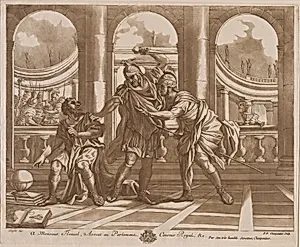
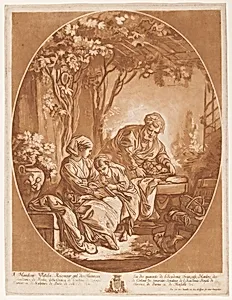
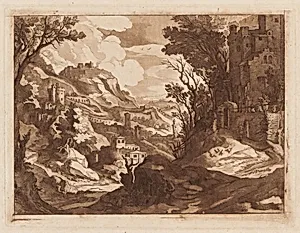
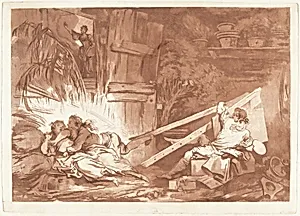
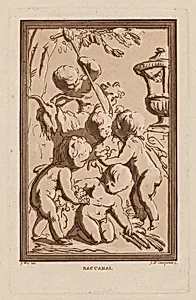
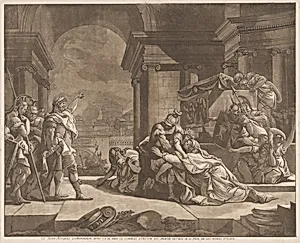
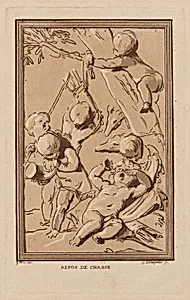
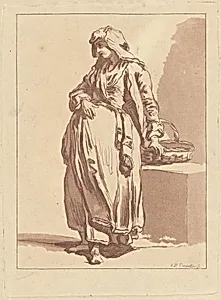
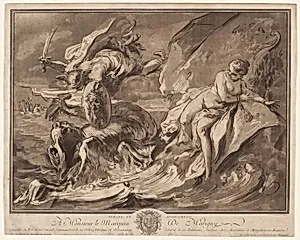
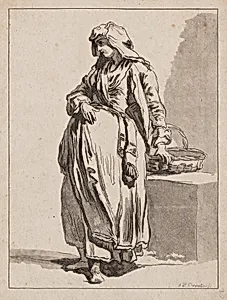
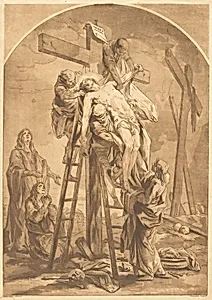
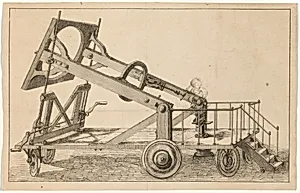
François-Philippe Charpentier (1734–1817) was a French engraver and inventor whose mechanical innovations revolutionized reproductive art in the late 18th century. Born in Blois in 1734, Charpentier came from modest circumstances. His father, a bookbinder, made significant sacrifices to send him to the Jesuit college at Blois, though financial pressures forced young Charpentier to leave after a few years to support himself. Choosing engraving as his profession, he entered a Parisian atelier and quickly surpassed his teacher through exceptional talent and dedication. While Charpentier produced accomplished work with the burin and in aquatint, he is celebrated far more for his groundbreaking inventions than for his own prints. His most significant achievement was developing a purely mechanical process for engraving in aquatint (gravure au lavis) and in color, fundamentally transforming reproductive printmaking. This innovation allowed images to be reproduced with unprecedented efficiency while maintaining high quality, democratizing access to visual art. Beyond printmaking, Charpentier's inventive genius extended to diverse fields. He created a machine enabling lace manufacturers to engrave elaborate patterns in mere hours—work that previously required six months of manual labor. His practical inventions included a widely adopted fire engine (1771), a metal-drilling machine, and a lighthouse illumination device. Recognizing his extraordinary contributions, Louis XVI appointed him "Royal Mechanician" (Mécanicien du Roi) and provided him a studio in the Louvre gardens, an exceptional honor demonstrating royal appreciation for both artistic and technological innovation. The National Gallery of Art preserves 25 of his works, including etchings and aquatints from the 1760s–1770s. Charpentier died in Blois on July 22, 1817, his legacy residing equally in artistic technique and mechanical innovation.
Trained in Paris as engraver, developing both traditional printmaking skills and beginning mechanical innovations. Created etchings and aquatints while inventing new processes.
Appointed Royal Mechanician by Louis XVI with studio in Louvre gardens. Continued innovations in printmaking, lace manufacturing, and various mechanical devices.
Artheon Research Team
Last updated: 2025-11-09
Biography length: ~445 words