Ctrl K
1520–1582
Giorgio Ghisi (c. 1520–1582) was one of the most accomplished engravers of the Italian Renaissance, renowned for translating the monumental compositions of Raphael, Giulio Romano, and Michelangelo into the exacting medium of the burin. Born in Mantua, he trained in an environment shaped by the legacy of Giulio Romano's decoration of the Palazzo del Te, and the grandeur of that Mannerist tradition saturated his visual sensibility from the start. He may have received instruction from Giovanni Battista Scultori, a leading Mantuan engraver whose workshop was central to the city's print culture.
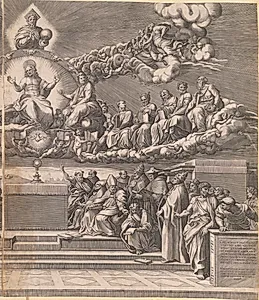
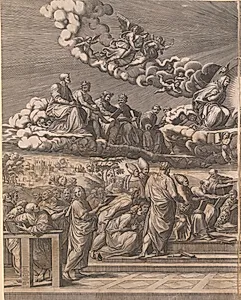
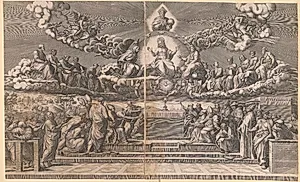
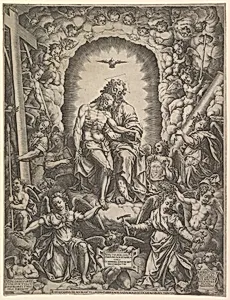
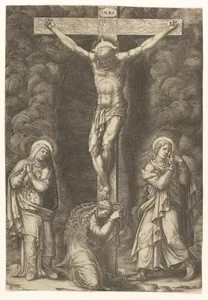
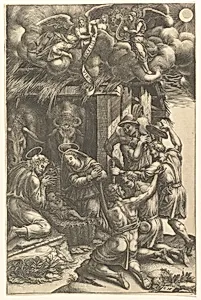
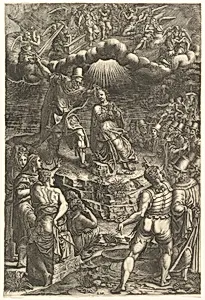
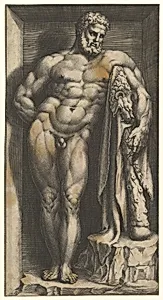
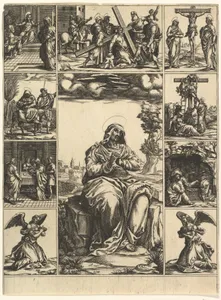
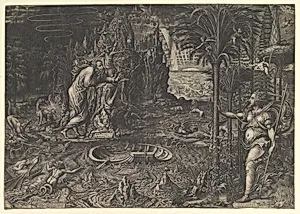
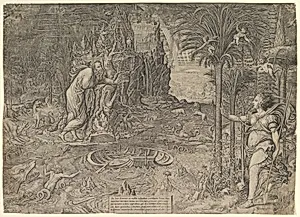
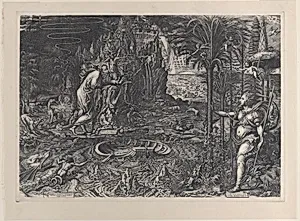
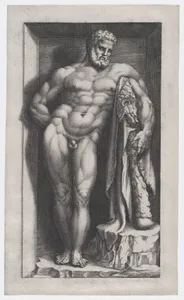
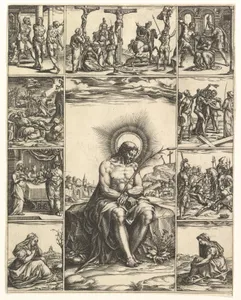
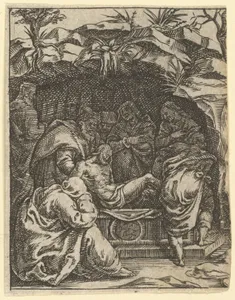
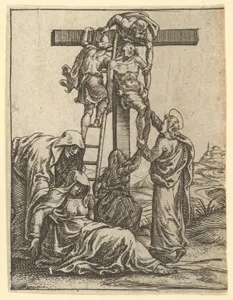
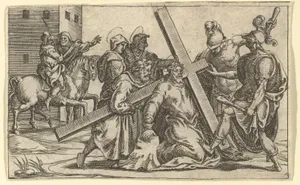
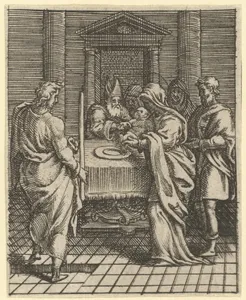
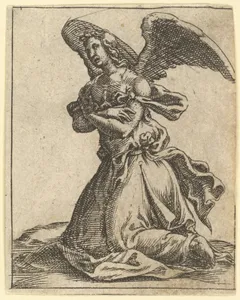
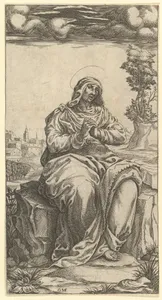
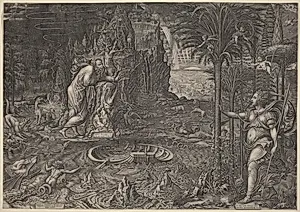
Ghisi's technical command of engraving was exceptional even by the demanding standards of the sixteenth century. His lines possess a sculptural weight and rhythmic variety that give his prints a sense of volume and light rarely matched by contemporaries. Among his most celebrated works are engravings after Raphael's School of Athens and after compositions by Michelangelo, as well as original allegorical and mythological subjects that showcase his own inventive powers. His large-format plates, requiring extraordinary skill and patience to execute, were sought throughout Europe by collectors and connoisseurs.
Ghisi traveled widely, spending significant time in Antwerp — then the hub of the European print trade — and in France, where he worked for the French court. These travels allowed him to disseminate Italian Mannerist imagery across northern Europe and to absorb influences that enriched his own work. He is also notable as a member of an artistically gifted family: his siblings Adamo and Diana Scultori (née Ghisi) were themselves accomplished engravers.
Ghisi's legacy rests on his role as a master transmitter of the High Renaissance and Mannerist canon. His prints served as visual encyclopedias of Italian art for patrons and artists north of the Alps who could not travel to Rome or Mantua, and his technical innovations helped establish standards of excellence in reproductive and interpretive engraving that endured well into the seventeenth century.