Ctrl K
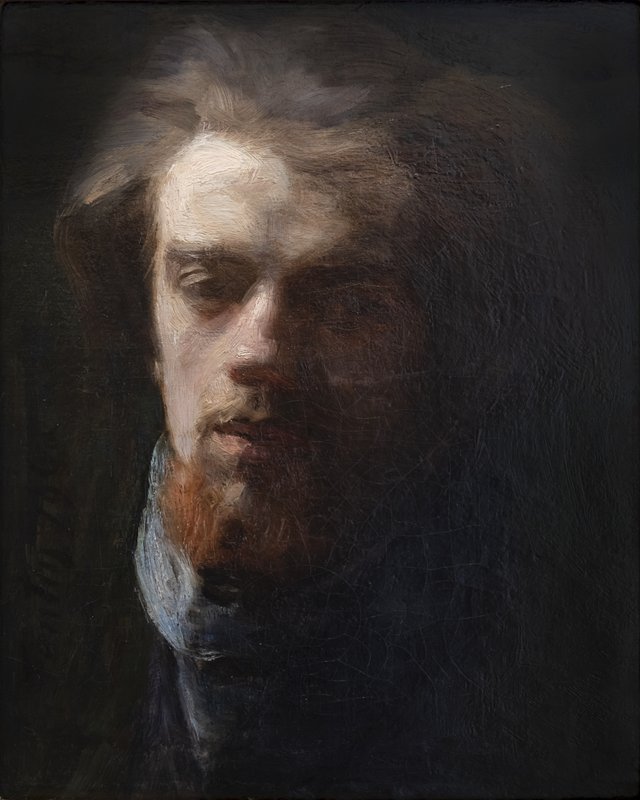
1836–1904
Ignace Henri Jean Théodore Fantin-Latour was born on January 14, 1836, in Grenoble, France, to portrait painter Théodore Fantin-Latour, who gave him his earliest drawing lessons. The family relocated to Paris in 1841, where in 1850, at age 14, he enrolled in the École de Dessin, studying under Horace Lecoq de Boisbaudran, whose innovative memory-based method of drawing from observation profoundly shaped his technique, and Louis-Alexandre Péron. He briefly attended the École des Beaux-Arts in 1854 alongside future luminaries like Edgar Degas and Alphonse Legros, then honed his skills copying Old Masters at the Louvre, briefly worked in Gustave Courbet's studio in 1861, and formed the supportive Société des trois with James McNeill Whistler and Legros.
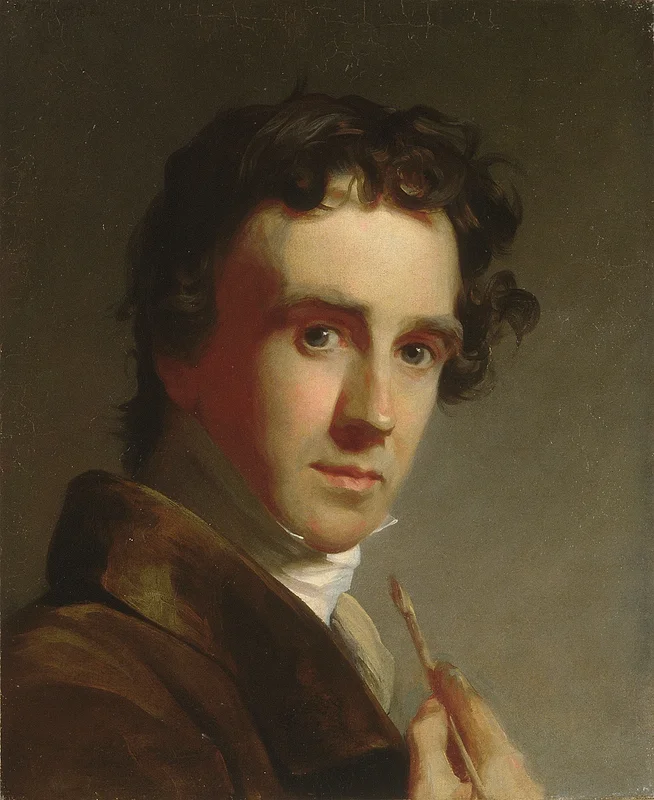
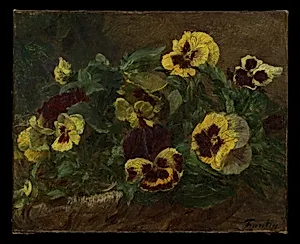
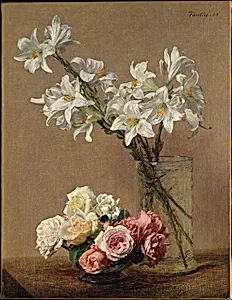
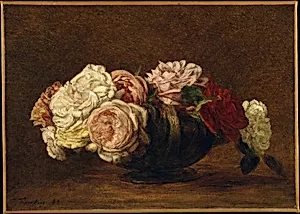
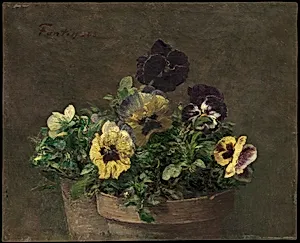
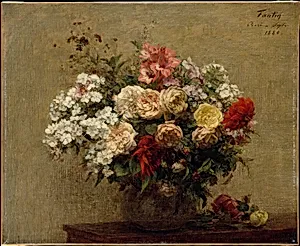
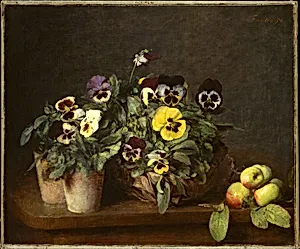
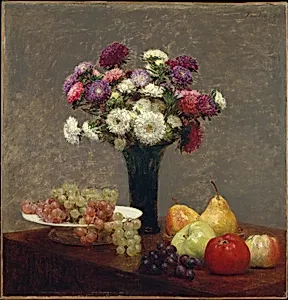
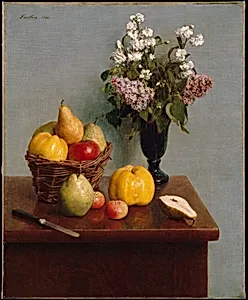
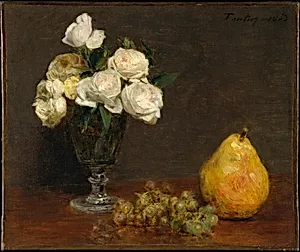
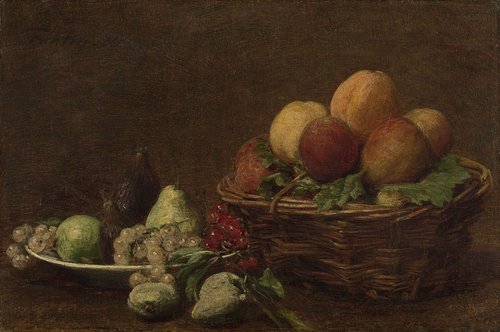
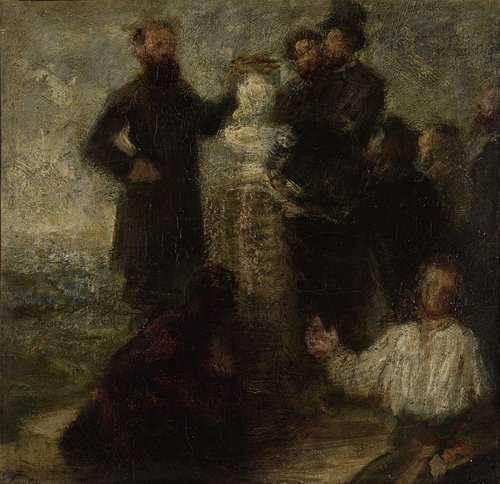
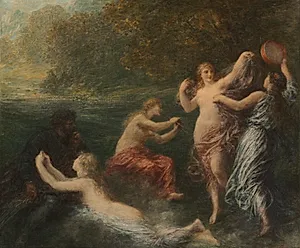
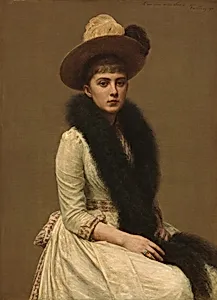
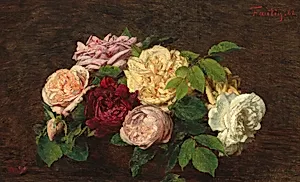
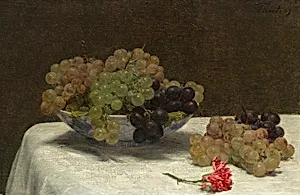
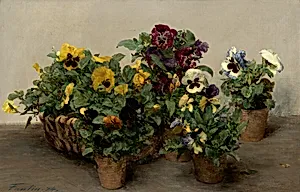
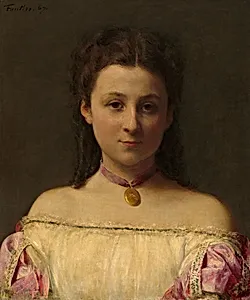
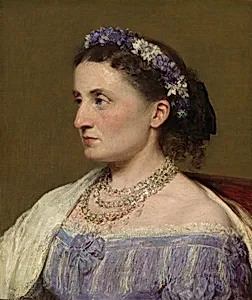
Fantin-Latour's style blended Realism and Symbolism, favoring conservative precision in still lifes of flowers and fruits—over 500 in total, with meticulous textures evoking Dutch Golden Age masters like Chardin—while his group portraits served as artistic manifestos. Key works include the chalk self-portraits of 1859–1861, *La Liseuse* (1861), *Homage to Delacroix* (1864) featuring Whistler and Baudelaire, *A Studio at Les Batignolles* (1870) centering Édouard Manet amid Renoir, Monet, and Zola, *The Corner of the Table* (1872) with Verlaine and Rimbaud, and floral masterpieces like *White Roses* (1871), *Vase of Roses* (1875), and *A Basket of Roses* (1890). In 1876, he married painter Victoria Dubourg, met at the Louvre; they summered at her family's Normandy estate in Buré, where he died on August 25, 1904.
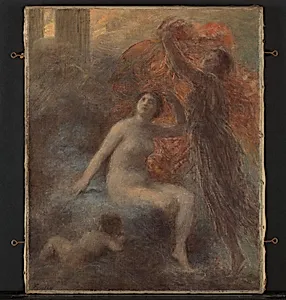
Though friendly with Impressionists, Fantin-Latour's measured realism found greatest acclaim abroad, especially in England via patrons like the Edwards family and exhibitions at the Royal Academy from 1862, and in the Netherlands. His Wagner-inspired lithographs and allegories like *Tannhäuser on the Venusberg* (1864) anticipated Symbolism, influencing Odilon Redon. Today, his works grace museums worldwide, from the Musée d'Orsay to the Metropolitan Museum of Art; Marcel Proust evoked his floral poetry, and *A Basket of Roses* adorned New Order's 1983 album cover, cementing his enduring allure.