Ctrl K
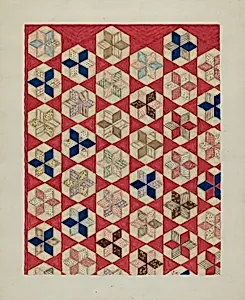
1855
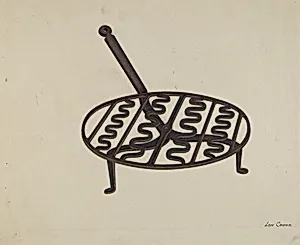
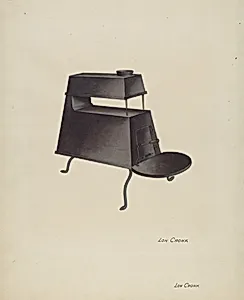
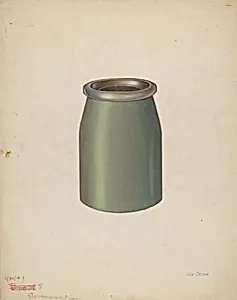
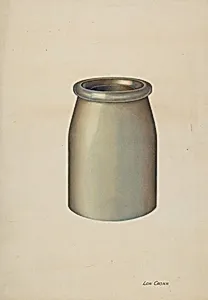
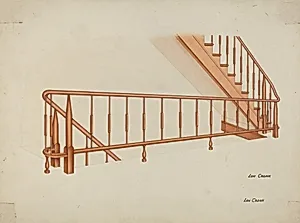
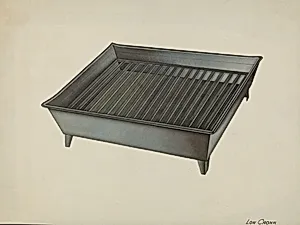
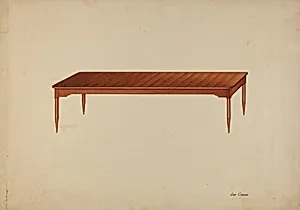
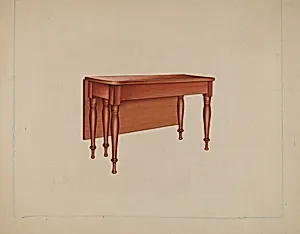
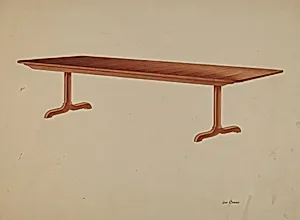
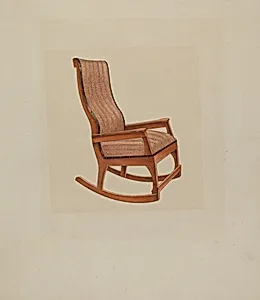
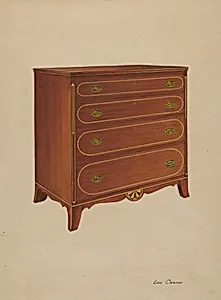
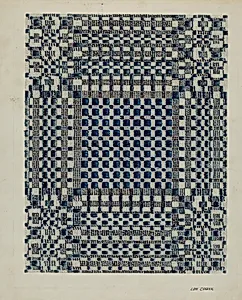
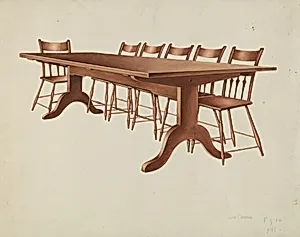
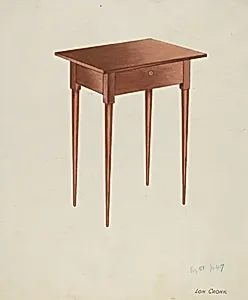
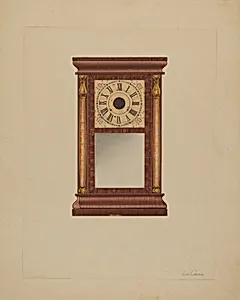
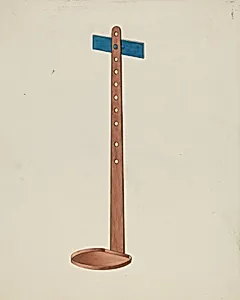
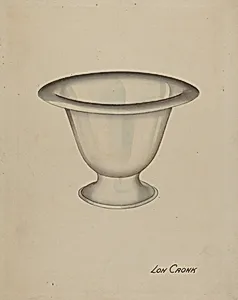
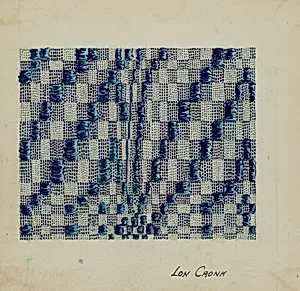
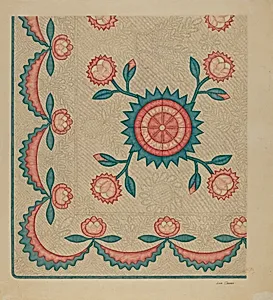
Lon Cronk remains one of the more elusive figures in the broader history of art, with biographical records offering little concrete detail about his life, training, or national background. The limited documentation surrounding his career makes it difficult to situate him within a specific movement or tradition, though works attributed to him suggest a practitioner of some technical competence.
What can be gleaned from surviving works hints at an artist who engaged seriously with his craft, but the absence of dated records, teacher-student relationships, or institutional affiliations prevents a fuller account of his development. Scholars have not been able to establish with confidence even the century in which he worked.
For researchers and museum visitors alike, Cronk's obscurity serves as a reminder of how much artistic production throughout history has gone undocumented. Many artists who created meaningful, lasting work never entered the canons of recorded art history, and Cronk appears to be one such figure. The works attributed to him deserve consideration on their own terms, even as the biographical context remains incomplete.