Ctrl K
1791–1824
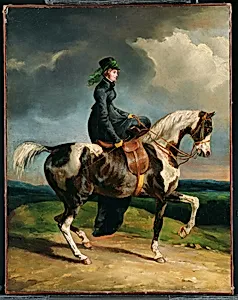
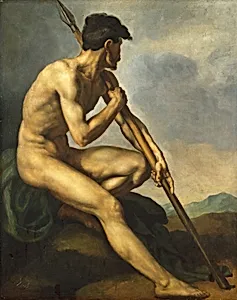
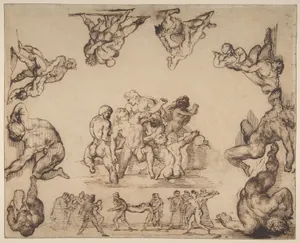
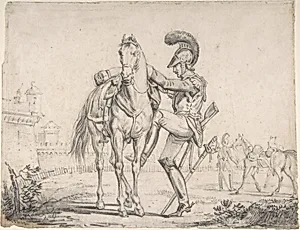
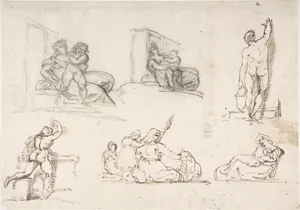
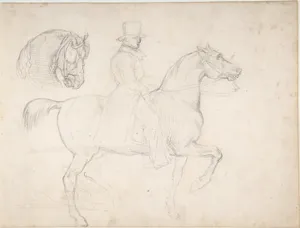
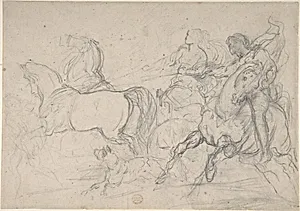
Théodore Géricault, born Jean-Louis André Théodore Géricault on September 26, 1791, in Rouen, France, into a prosperous family—his father a lawyer turned tobacco merchant and his mother from a line of growers—moved to Paris around 1797. Displaying early artistic promise, recognized by painter Jean-Louis Laneuville, he began formal training in 1808 under Carle Vernet, mastering English sporting art and the dynamic anatomy of horses, a lifelong passion fueled by studies at Versailles stables. In 1810, he studied classical figure composition with Pierre-Narcisse Guérin at the École des Beaux-Arts but soon rebelled against the rigid Neoclassicism, preferring self-directed copying of Old Masters like Rubens, Titian, and Michelangelo in the Louvre. A trip to Italy in 1816–17 deepened his admiration for Michelangelo's expressive power.
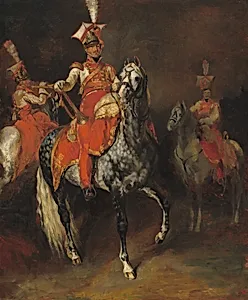
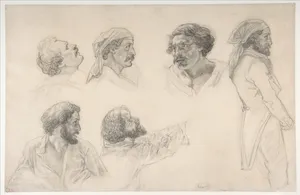
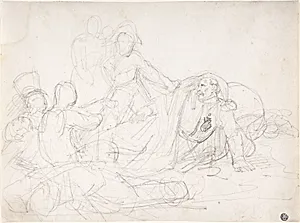
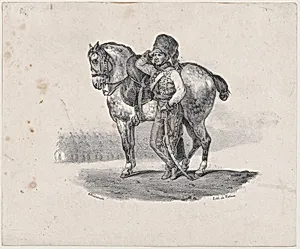
Géricault emerged as a pioneer of French Romanticism, bridging Neoclassicism's order with raw emotion, dramatic light, and contemporary subjects that captured human struggle, the sublime, and the horrific—often infused with his equestrian expertise. His debut at the 1812 Salon, *The Charging Chasseur*, showcased Rubensian vigor and Napoleonic themes, followed by the poignant *Wounded Cuirassier* in 1814. His masterpiece, *The Raft of the Medusa* (1818–19), a colossal indictment of political corruption via the infamous shipwreck's survivors, scandalized the 1819 Salon yet propelled Romanticism forward with its turbulent composition and visceral realism.
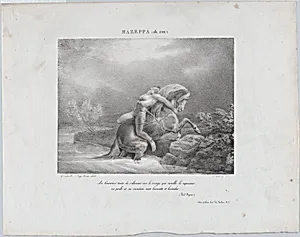
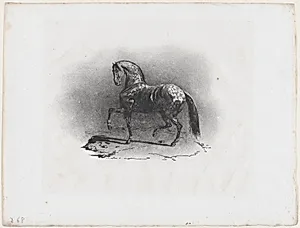
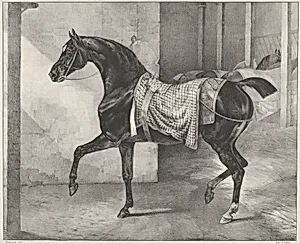
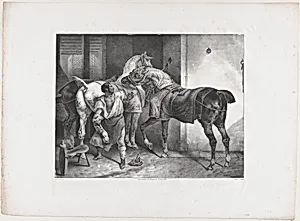
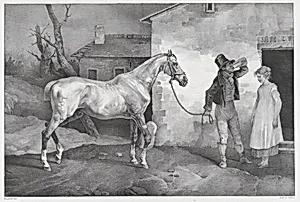
Later, in England (1820–22), Géricault produced lithographs and horse races like *The Derby at Epsom* (1821), while his final series, the *Portraits of the Insane* or *Monomanes* (1822–23)—including *Portrait of a Kleptomaniac* and *Woman with Gambling Mania*—probed psychological depths with unflinching empathy, reflecting personal mental fragility and family echoes of instability. Dying at 32 on January 26, 1824, from a riding accident's complications, Géricault profoundly shaped Eugène Delacroix and 19th-century painting, his bold fusion of history, politics, and pathos cementing Romanticism's triumph over academic restraint and inspiring modern explorations of the psyche.