Ctrl K
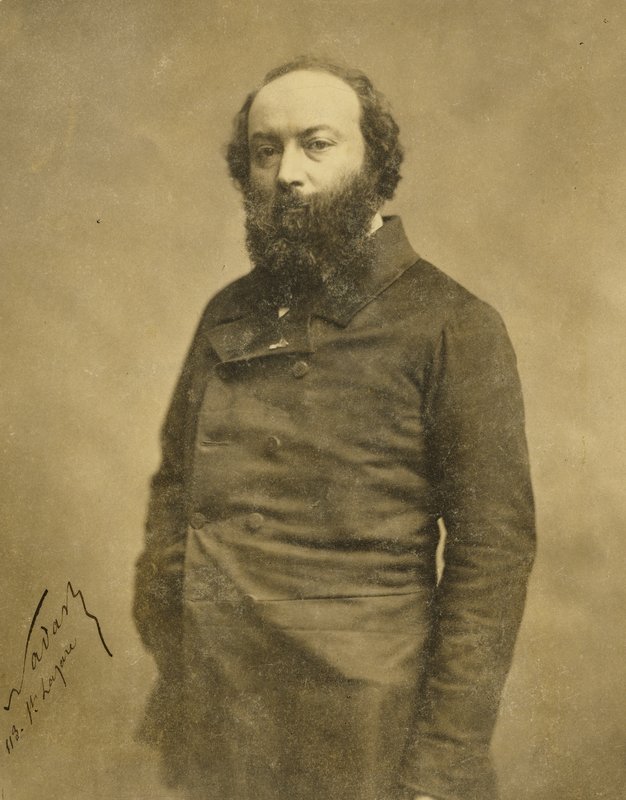
1812–1867
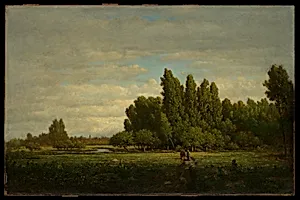
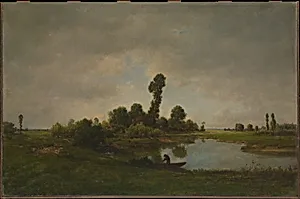
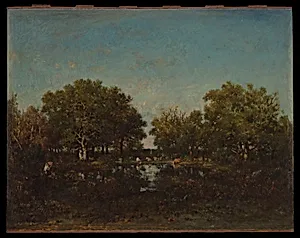
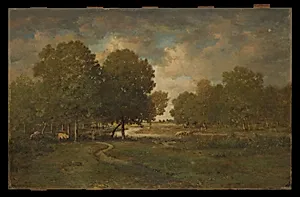
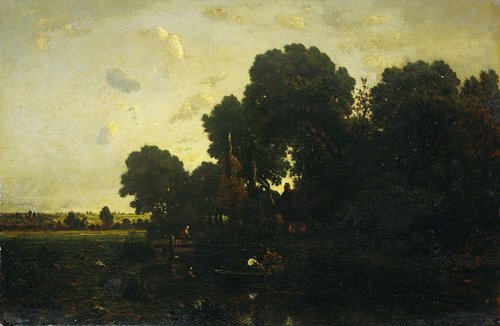
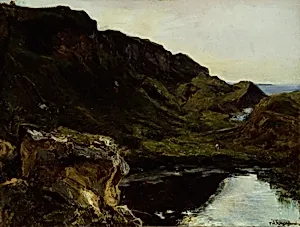
Théodore Rousseau (1812–1867) was a French landscape painter and the leading figure of the Barbizon School, the group of artists who settled in the village of Barbizon near the Forest of Fontainebleau to paint directly from nature. Born in Paris, he showed precocious talent and studied under the academic painters Charles Rémond and Guillaume Guillon-Lethière, but quickly rejected classical landscape conventions in favor of painting outdoors before the motif.
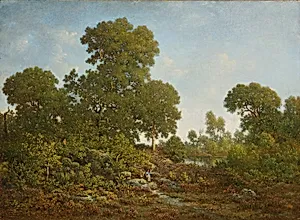
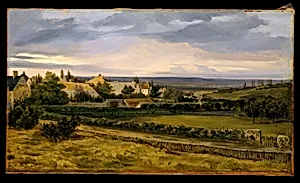
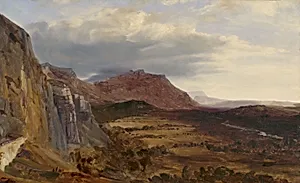
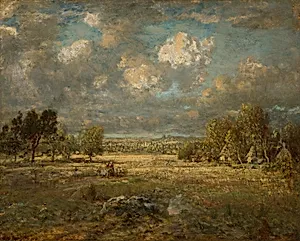
Rousseau began exhibiting at the Paris Salon in 1831, but his uncompromising naturalism — emphasizing the specific character of individual trees, rocks, and atmospheric conditions rather than idealized compositions — met with repeated rejection from the jury. He was refused so consistently between 1836 and 1841 that he became known as "le grand refusé." Despite official resistance, he attracted a devoted following among collectors and fellow artists.
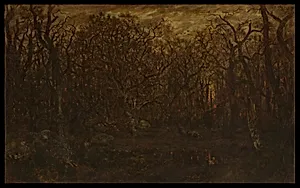
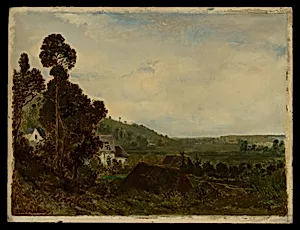
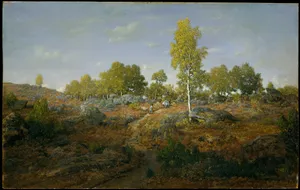
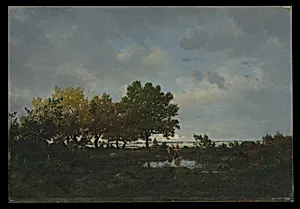
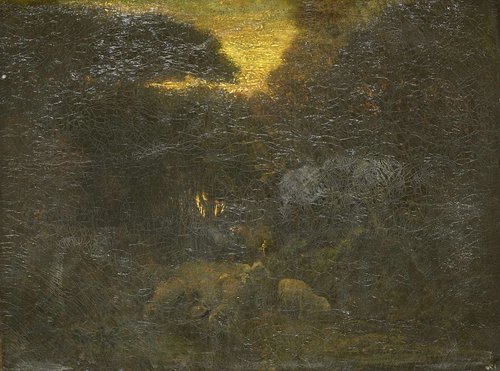
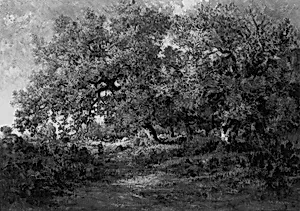
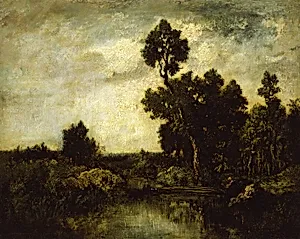
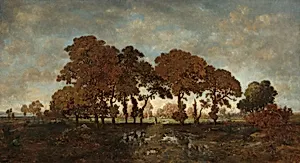
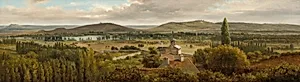
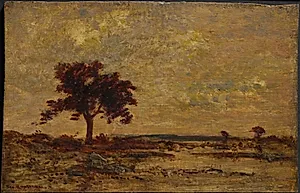
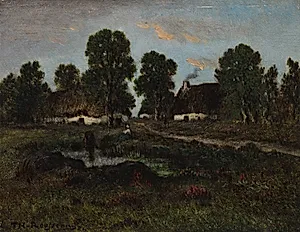
Settling in Barbizon in the 1840s, Rousseau became the unofficial leader of the community of painters that included Jean-François Millet, Narcisse Díaz de la Peña, Jules Dupré, and Charles-François Daubigny. His paintings of the ancient oaks, marshes, and clearings of the Fontainebleau forest are characterized by a profound sensitivity to atmosphere, season, and the effects of light at different times of day. Works such as "The Forest in Winter at Sunset" and "Under the Birches" demonstrate his mastery of both intimate and panoramic landscape.
Rousseau's insistence on direct observation and his reverence for the natural world laid essential groundwork for the Impressionist revolution that followed. He was finally recognized with a medal at the 1855 Exposition Universelle and elected to the Salon jury in 1866. His paintings are held by the Musée d'Orsay, the Louvre, the Metropolitan Museum of Art, and the Frick Collection.