
Ancient Near Eastern Art
The Metropolitan Museum of Art · 5,774 artworks
The collection spans the cultures of the ancient Near East from the Neolithic period through the Arab conquest in 651 AD. Highlights include Assyrian stone reliefs, Sumerian statuary, and objects from Mesopotamia, Iran, Anatolia, and the ancient Levant.
All The Met Departments
Featured Artworks
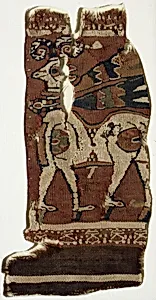
Textile fragment: walking ram with a neckband and fluttering ribbons
ca. 7th century CE
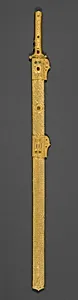
Sword and scabbard
ca. 7th century CE
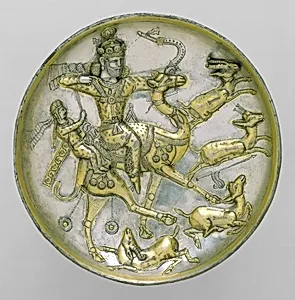
Plate with a hunting scene from the tale of Bahram Gur and Azadeh
ca. 5th century CE
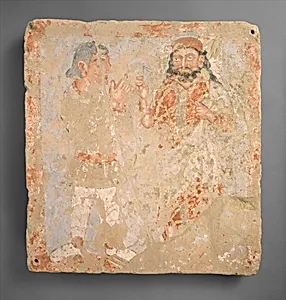
Panel with the god Zeus/Serapis/Ohrmazd and worshiper
ca. 3rd century CE
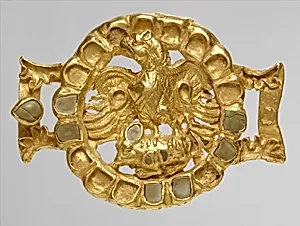
Belt adornment with an eagle and its prey
ca.1st–2nd century CE
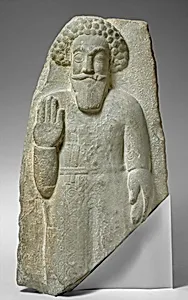
Standing man
ca. 2nd century CE
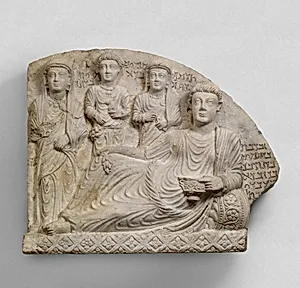
Funerary relief
ca. 2nd–3rd century CE
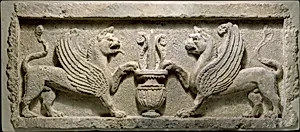
Door lintel with lion-griffins and vase with lotus leaf
ca. 2nd–early 3rd century CE
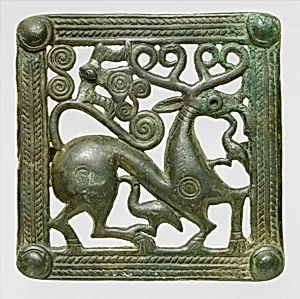
Belt clasp
ca. 1st–2nd century CE
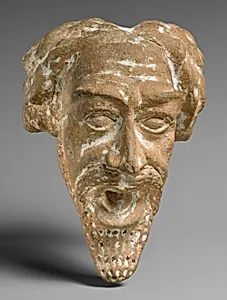
Spout in the form of a man's head
ca. 1st–2nd century CE
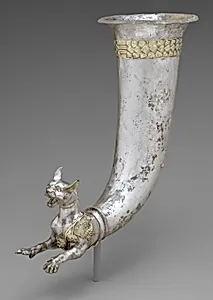
Rhyton terminating in the forepart of a wild cat
ca. 1st century BCE
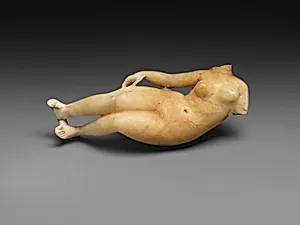
Figure of a reclining woman
ca. 2nd century BCE–2nd century CE
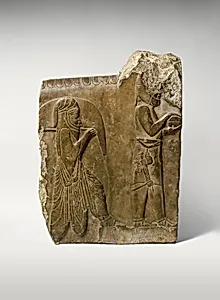
Relief: two servants bearing food and drink
ca. 358–338 BCE
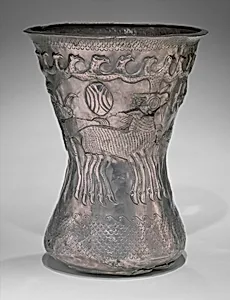
Beaker with birds and animals
ca. 4th century BCE
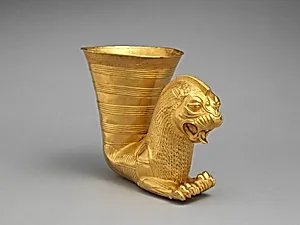
Vessel terminating in the forepart of a fantastic leonine creature
ca. 5th century BCE
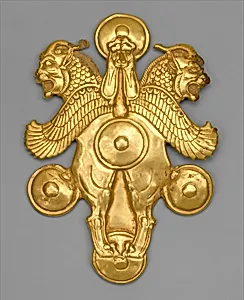
Plaque with horned lion-griffins
ca. 6th–4th century BCE
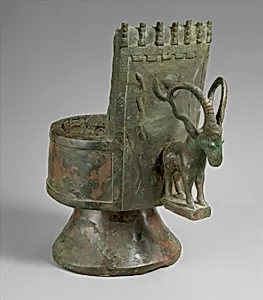
Incense burner
ca. mid-1st millennium BCE
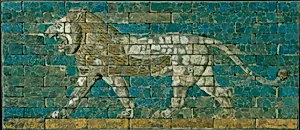
Panel with striding lion
ca. 604–562 BCE
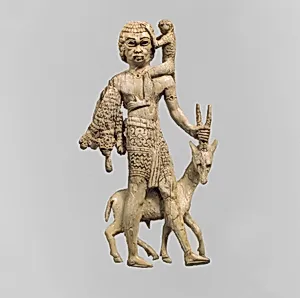
Figure of a man with an oryx, a monkey, and a leopard skin
ca. 8th century BCE
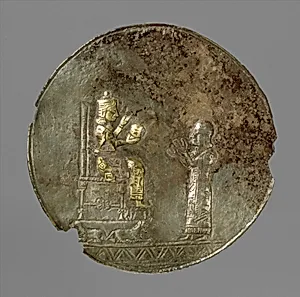
Medallion with a seated deity and a male worshiper
ca. 8th–7th century BCE
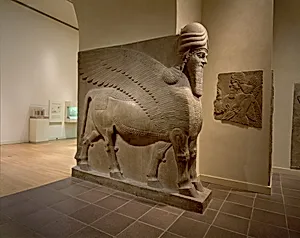
Human-headed winged bull (lamassu)
ca. 883–859 BCE
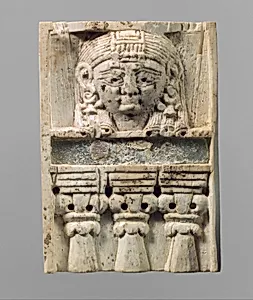
Furniture plaque carved in relief with a “woman at the window”
ca. 9th–8th century BCE
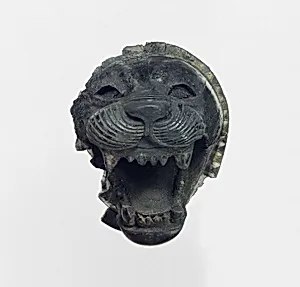
Furniture element carved in the round with the head of a roaring lion
ca. 9th–8th century BCE
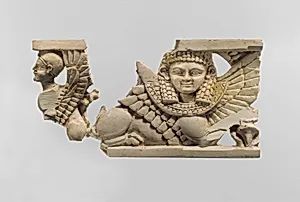
Openwork furniture plaque with two sphinxes
ca. 9th–8th century BC
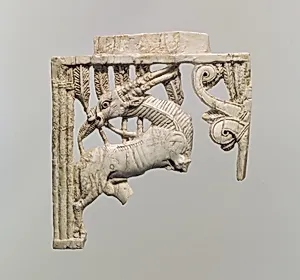
Openwork furniture plaque with a grazing oryx in a forest of fronds
ca. 9th–8th century BCE
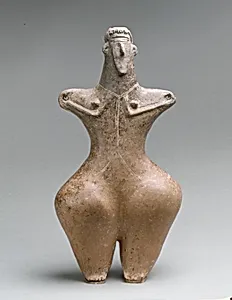
Statuette of a female
ca. early 1st millennium BCE
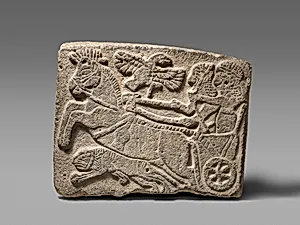
Orthostat relief: lion-hunt scene
ca. 10th−9th century BCE
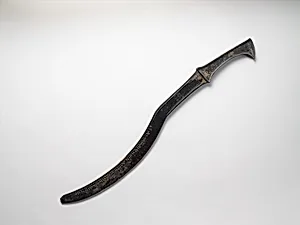
Sickle sword
ca. 1307–1275 BCE
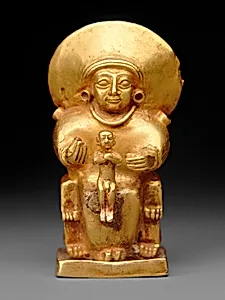
Seated goddess with a child
ca. 14th–13th century BCE
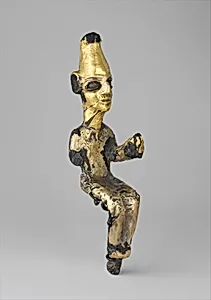
Enthroned deity
ca. 14th–13th century BCE
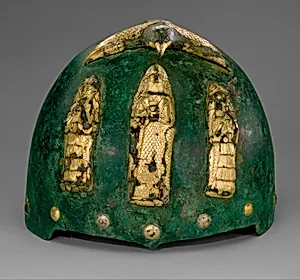
Helmet with divine figures beneath a bird with outstretched wings
ca. 1500–1100 BCE
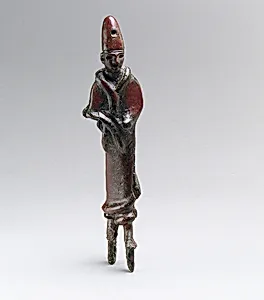
Royal or divine figure with high conical headdress
ca. 18th–17th century BCE
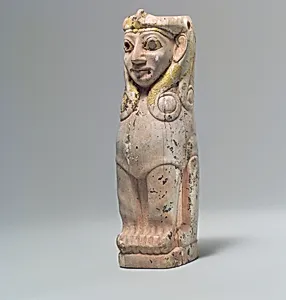
Furniture support: female sphinx with Hathor-style curls
ca. 18th century BCE
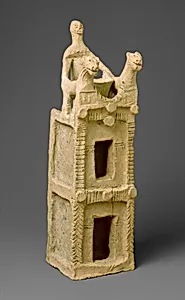
Cult vessel in the form of a tower with cylinder seal impressions near the top
ca. 19th century BCE
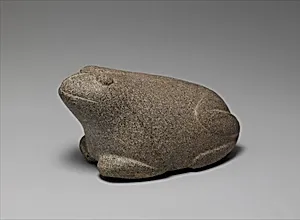
Weight in shape of frog
ca. 2000–1600 BCE
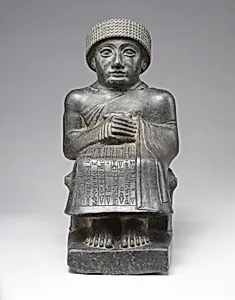
Statue of Gudea, named “Gudea, the man who built the temple, may his life be long”
ca. 2090 BCE
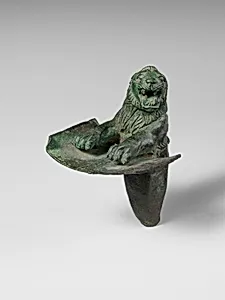
Foundation peg in the form of the forepart of a lion
ca. 2200–2100 BCE
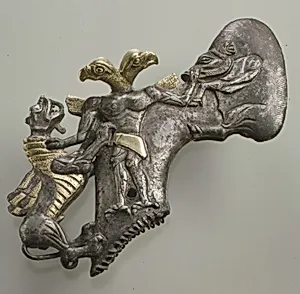
Shaft-hole axe head with bird-headed demon, boar, and dragon
ca. late 3rd–early 2nd millennium BCE
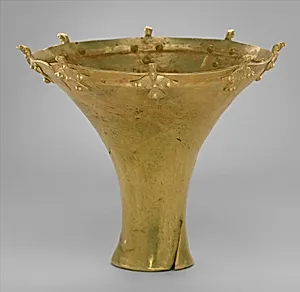
Beaker with birds on the rim
ca. late 3rd–early 2nd millennium BCE
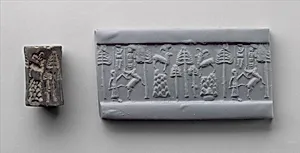
Cylinder seal and modern impression: hunting scene
ca. 2250–2150 BCE
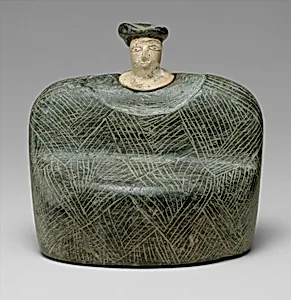
Seated female
ca. late 3rd–early 2nd millennium BCE
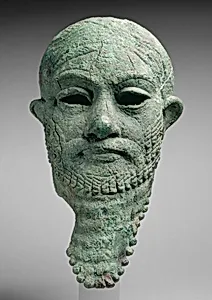
Head of a ruler
ca. 2300–2000 BCE
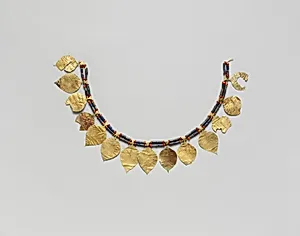
Headdress
ca. 2600–2500 BCE
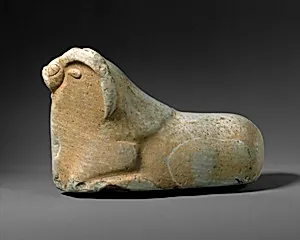
Reclining mouflon
ca. 2600–1900 BCE
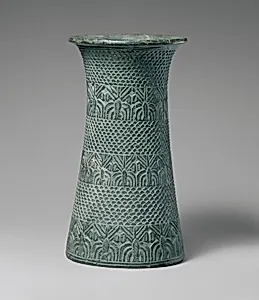
Vase with overlapping pattern and three bands of palm trees
ca. mid- to late 3rd millennium BCE
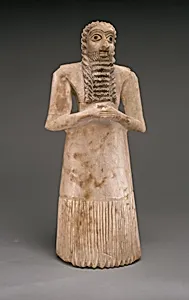
Standing male worshiper
ca. 2900–2600 BCE
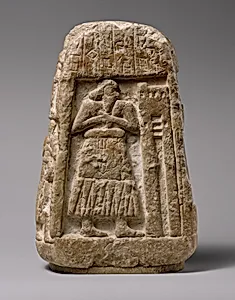
Stele of Ushumgal and Shara-igizi-Abzu
2900–2700 BCE
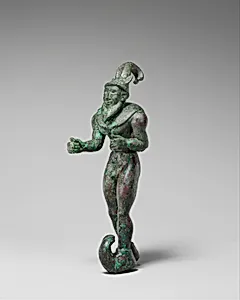
Striding figure with ibex horns, a raptor skin draped around the shoulders, and upturned boots
ca. 3000 BCE