Ctrl K
1609–1690
Anthonie Waterloo (1609–1690) was a prominent Dutch Golden Age landscape artist, born on May 6 in Lille, then part of the Spanish Netherlands. Little is known of his early life beyond his mother, Magdalena Vaillant, who joined Amsterdam's Walloon Church in 1621, with Waterloo following in 1630; no records exist of formal training, and he was likely self-taught. Registered as a painter in Amsterdam, he married there in 1640 and buried a young daughter in 1654 before relocating to Leeuwarden (1653–1654), then Maarssen (1655–1676), and finally Utrecht, where he retired to an almshouse in 1678 and died on October 23, 1690.
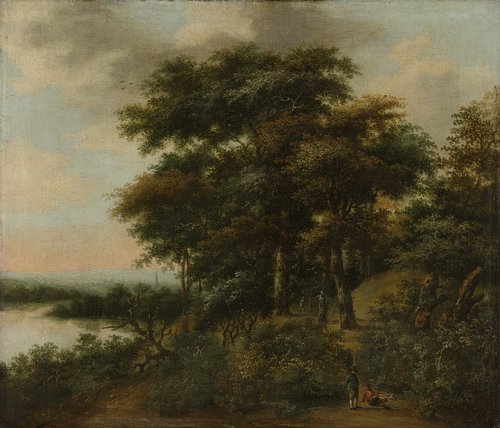
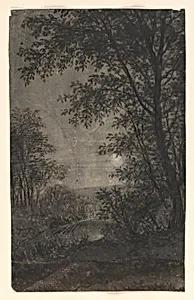
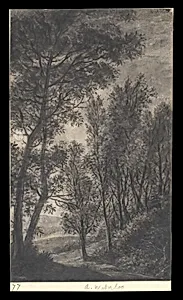
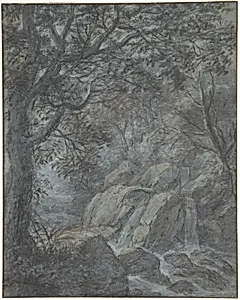
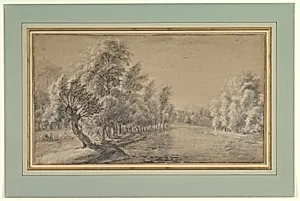
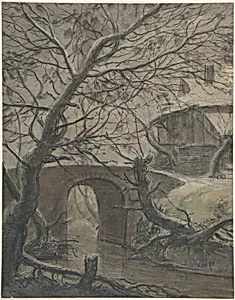
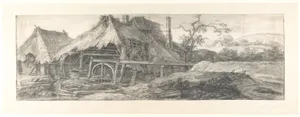
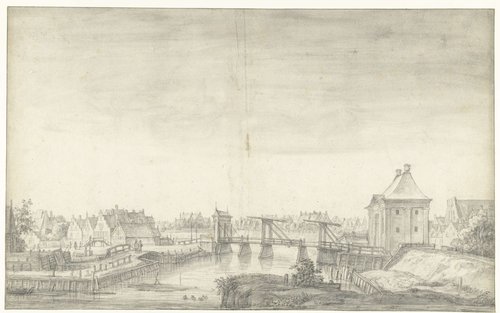
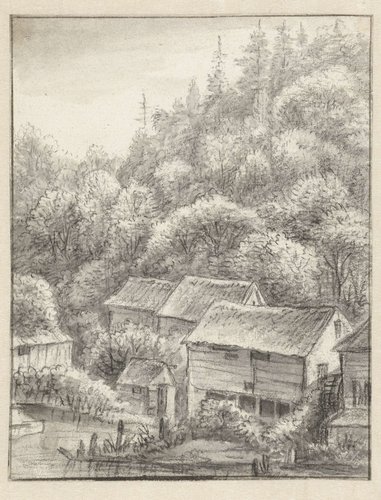
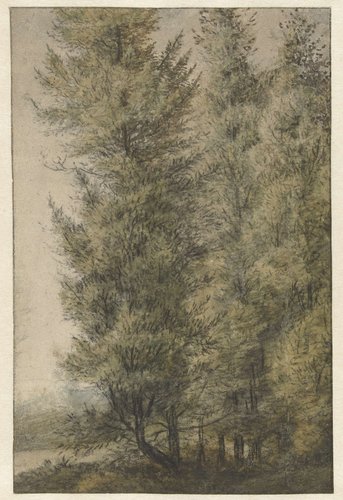
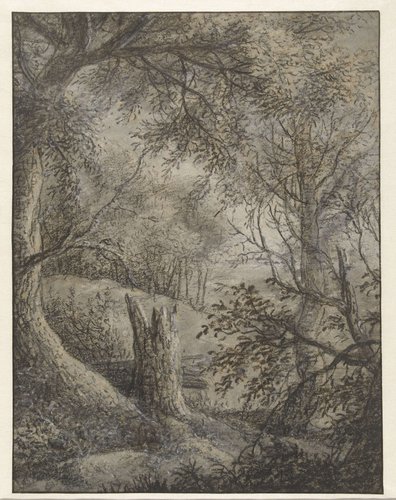
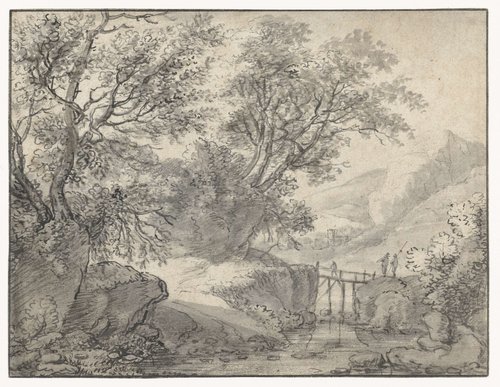
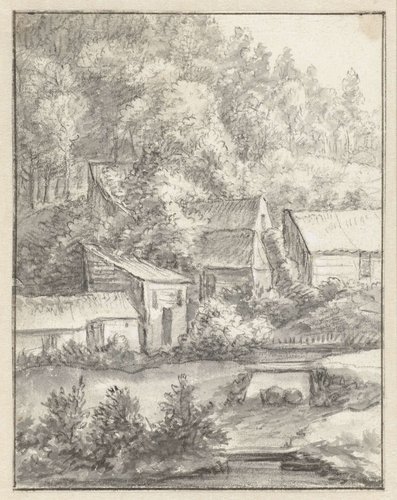
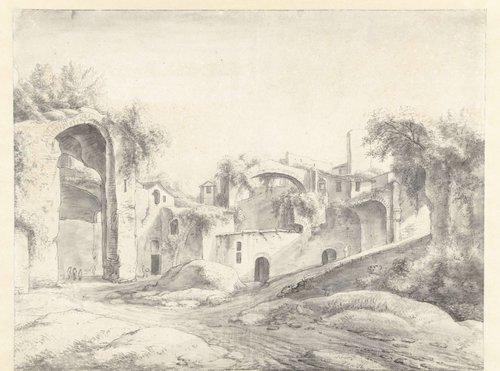
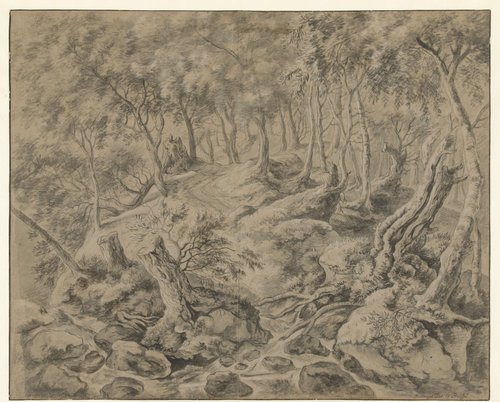
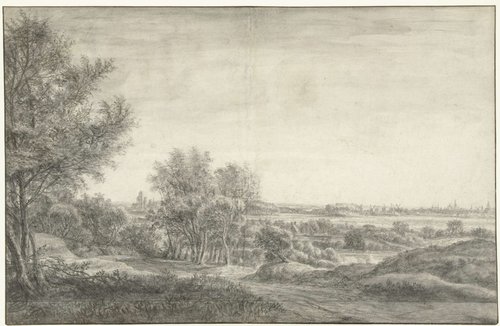
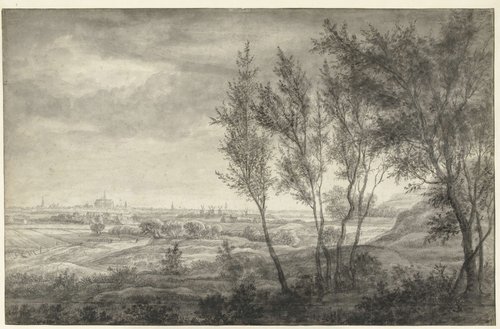
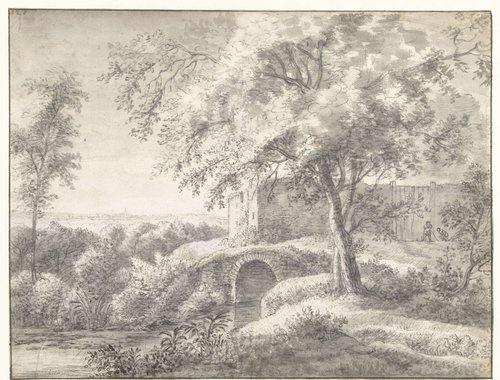
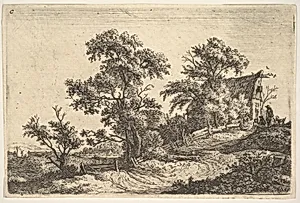
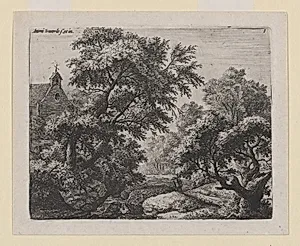
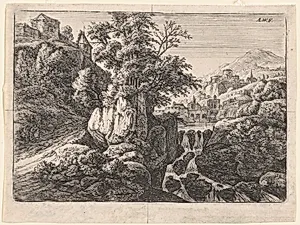
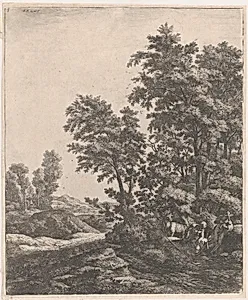
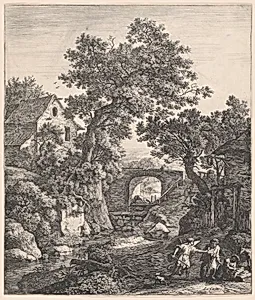
Waterloo's career blended painting, etching, and drawing, though oil paintings are scarce; he sustained himself primarily as an art dealer, trading works by contemporaries like Jacob van Ruisdael, Simon de Vlieger, Roelant Roghman, and Allaert van Everdingen, whose styles he absorbed into his own Baroque landscapes. His output emphasized dense forest scenes, winding paths, reflective waters, and atmospheric mountain valleys, often rendered with intricate detail in etchings or impressionistic breadth in drawings. Extensive travels along the Rhine to German towns like Kleef and Hamburg, and possibly to Switzerland, France, Poland, and Italy, informed his topographic precision and naturalism. He produced around 126 etchings, including series such as *Twelve Landscapes*, *Six Landscapes*, and *Six Large Upright Landscapes with Scenes from Ovid*, alongside notable plates like *Traveler Near a Wood* (c. 1645) and *Landscape with Venus and Adonis* (c. 1655–1660). Paintings like *Forest Edge* and *Tobias and the Angel* highlight his rarer canvases.
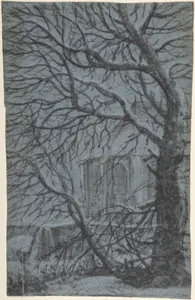
Waterloo's legacy endures through his draftsmanship, which prioritized etched landscapes over paint, influencing the Barbizon school and possibly British artists John Robert Cozens and J.M.W. Turner. His plates were reprinted into the 19th century by publishers like François Basan, with the final known impression from an original plate in 1868. Today, his drawings and prints fill collections worldwide, from the British Museum to the Utah Museum of Fine Arts, cementing his role as a master of contemplative Dutch nature.