Ctrl K
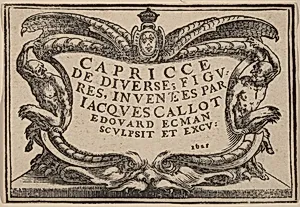
Edouard Eckman, a Flemish printmaker born around 1600, remains a somewhat enigmatic figure in art history, with his early life not well documented. Little is known about his training or formal education, though his oeuvre suggests familiarity with the vibrant printmaking traditions of the early Baroque period in Northern Europe. Active primarily in the second decade of the seventeenth century, Eckman distinguished himself through his skillful woodcuts, a medium that allowed for broader dissemination of intricate designs compared to the more elite etching techniques.
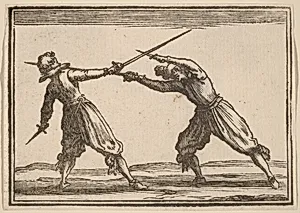
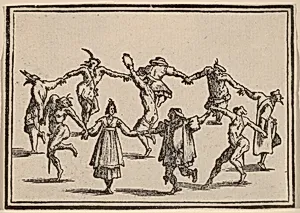
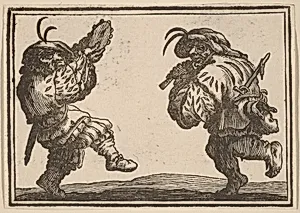
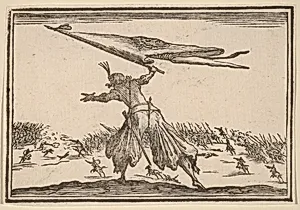
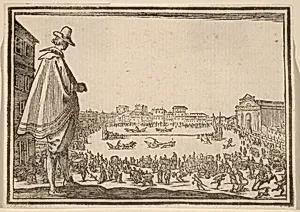
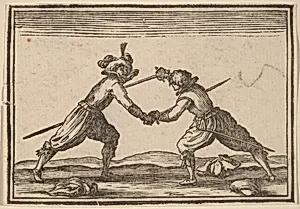
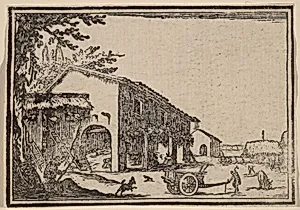
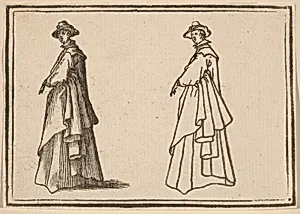
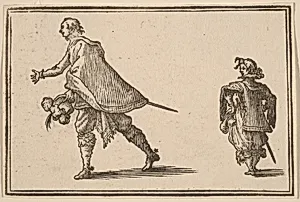
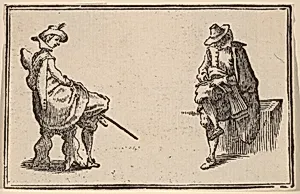
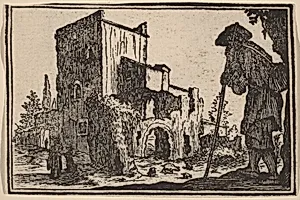
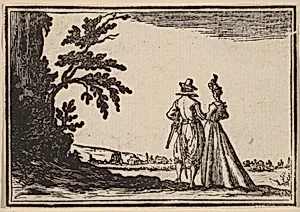
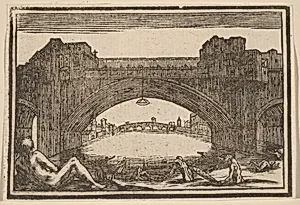
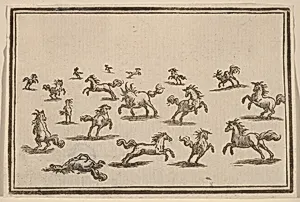
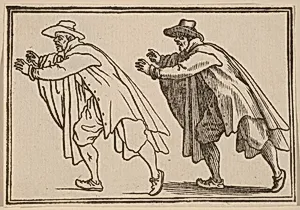
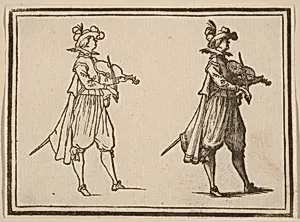
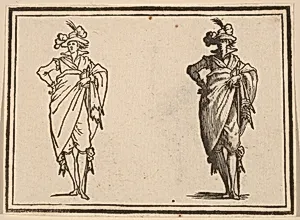
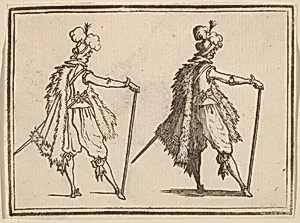
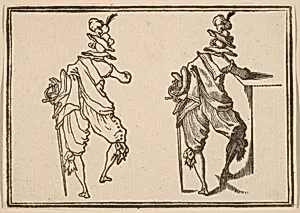
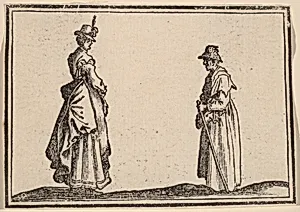
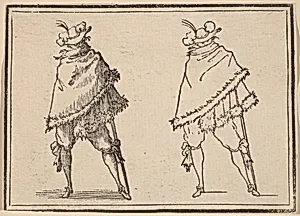
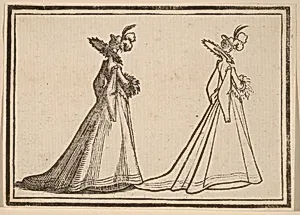
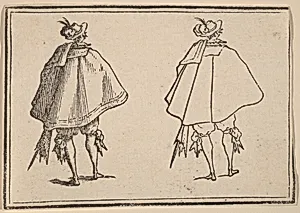
Eckman's enduring fame stems from his 1621 series of woodcuts executed after the designs of the renowned French artist Jacques Callot, capturing the dynamic energy of Callot's "Capricci" and related compositions. These small-scale prints on laid paper depict a lively array of genre scenes: boisterous peasants like *Peasant with Sack* and *Peasant Defecating*, military figures such as *Man with Sword*, *Military Commander on Horseback*, and *Soldiers Attacking Robbers*, as well as urban vignettes including *Piazza Santa Croce, Florence*, *Piazza SS. Annunziata, Florence*, and *Fireworks on the Arno*. Other notable works include *The Dance*, *Gentleman and His Page*, *Man Moving Abruptly*, *Violinist*, *Lady in a Large Coat*, and *Duel with Swords*. The National Gallery of Art in Washington, D.C., holds an exceptional collection of 50 such prints, primarily from the R.L. Baumfeld Collection, highlighting Eckman's meticulous translation of Callot's fluid, expressive line into the bolder contrasts of woodcut.
Working in the tradition of Callot's influential mannerist-baroque style, Eckman infused his reproductions with a Flemish robustness, emphasizing movement, caricature, and everyday drama—from tavern brawls to Florentine spectacles. His prints, catalogued in Jacques Lieure's seminal study of Callot, bridged the gap between elite etching and popular imagery, making sophisticated compositions accessible to wider audiences.
Though sparsely documented beyond his Callot derivatives, Eckman's legacy endures through these vivid survivals, underscoring the collaborative spirit of seventeenth-century print culture and the cross-regional exchange between French innovation and Flemish craftsmanship. His works offer a window into the theatricality of early modern life, preserved in institutions like the NGA for contemporary appreciation.