Ctrl K
1790–1848
Keisai Eisen (1790–1848), born Ikeda Yoshinobu in Edo (modern Tokyo), emerged as one of the late Edo period's most prolific ukiyo-e masters. The son of the renowned calligrapher and Kanō-school painter Ikeda Shigeharu, Eisen was immersed in the arts from childhood. He apprenticed under Kanō Hakkeisai, adopting the art name "Keisai" in homage to his teacher, and later studied bijin-ga (images of beautiful women) with Kikukawa Eizan following his father's death. This dual training in traditional Kanō painting and ukiyo-e design shaped his versatile output, blending painterly finesse with the floating world's vibrant commercial prints.
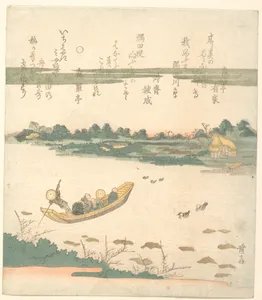
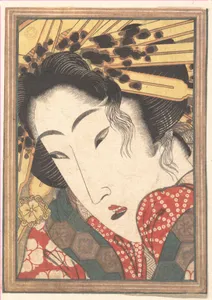
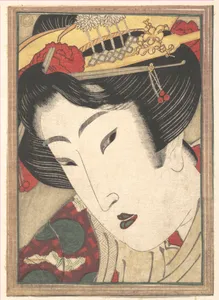
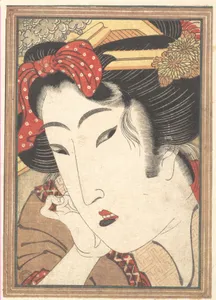
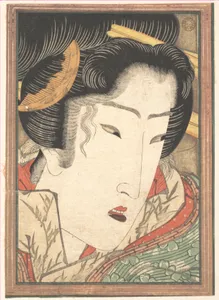
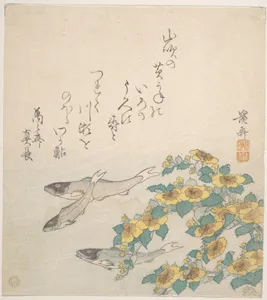
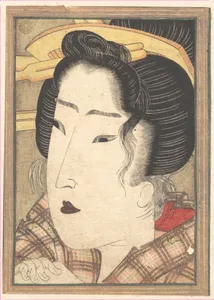
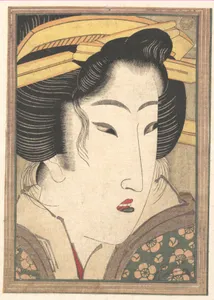
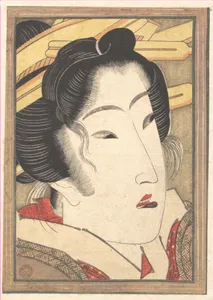
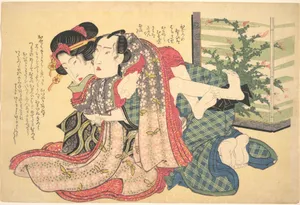
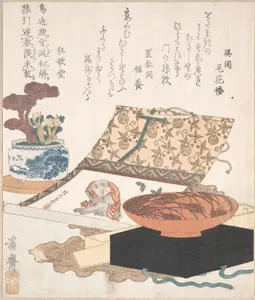
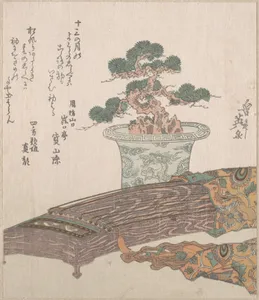
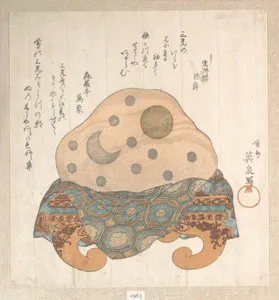
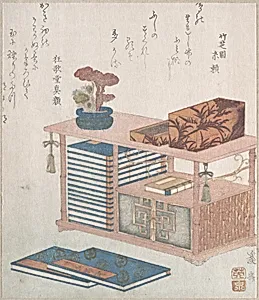
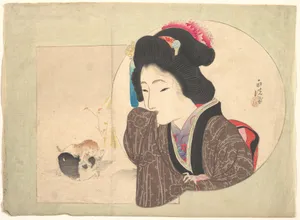
Eisen specialized in bijin-ga, particularly ōkubi-e (large-head portraits), crafting masterpieces of the Bunsei era (1818–1830) that captured courtesans and geisha with a sensual, worldly realism—voluptuous figures, angular features, and overt physicality that marked a decadent shift from the graceful elegance of predecessors like Utamaro. Iconic series include *Imayō bijin jūni-kei* (Twelve Views of Contemporary Beauties, c. 1822–23), *Tōsei kobutsu hakkei* (Eight Views of Modern-Day Favorites), and *Ukiyo fūzoku bijo kurabe* (Comparison of Beauties of the Floating World), which showcased fashionable Yoshiwara women amid poetic landscapes or shop motifs. His surimono (private commissions) and shunga (erotic prints) further highlighted his earthy sensuality and technical prowess.
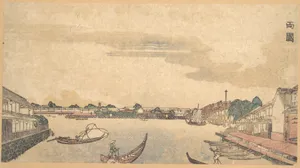
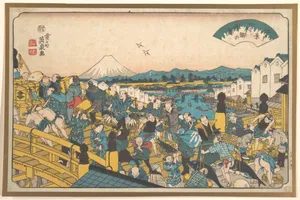
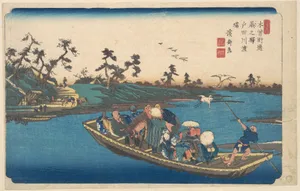
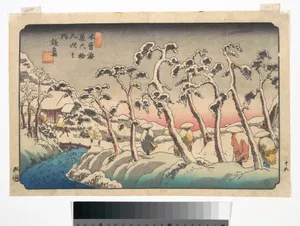
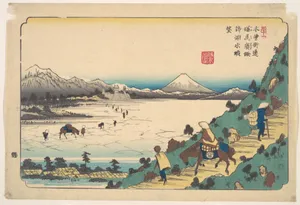
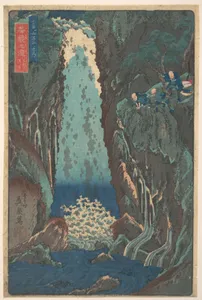
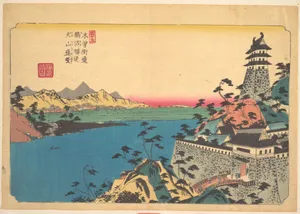
Venturing beyond bijin-ga, Eisen produced landscapes, including two dozen designs for *The Sixty-Nine Stations of the Kisokaidō* (1835–1838), later completed by Utagawa Hiroshige. A self-proclaimed hard-drinking bohemian who briefly owned a Yoshiwara brothel, he supplemented his income through writing—penning biographies of the Forty-Seven Ronin, kyōka poetry collections, and a supplement to *Ukiyo-e Ruikō* titled *Notes of a Nameless Old Man*. Ranked alongside Kunisada and Kuniyoshi, Eisen's legacy endures in his truthful depictions of Edo's fading pleasures, influencing later ukiyo-e and even Western artists like Van Gogh, who copied his courtesan prints. His vast oeuvre, blending artistry with social observation, remains a vivid portal to the era's hedonistic pulse.