Ctrl K
1739–1820
Occupations
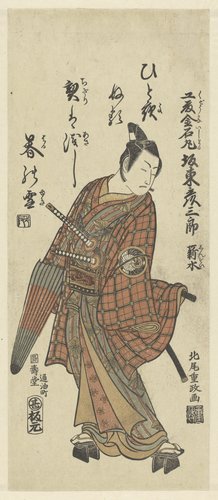
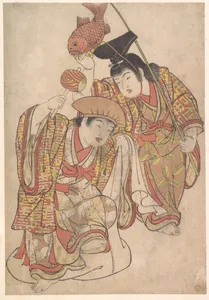
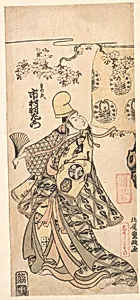
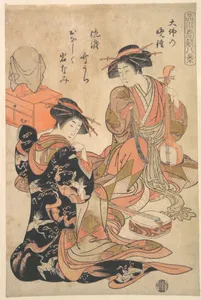
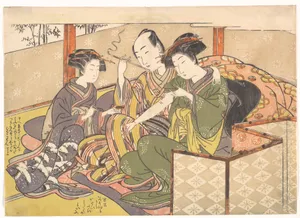
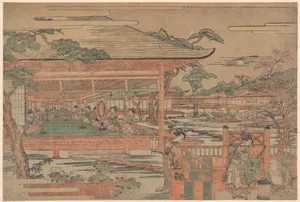
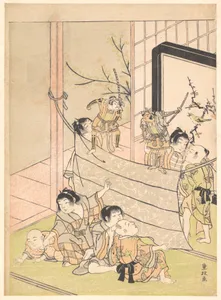
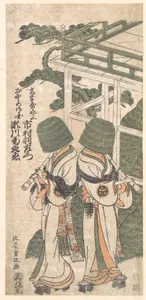
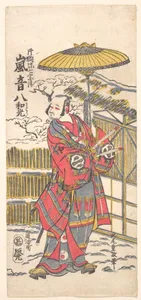
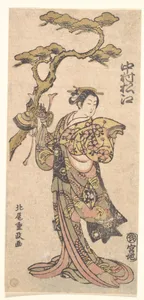
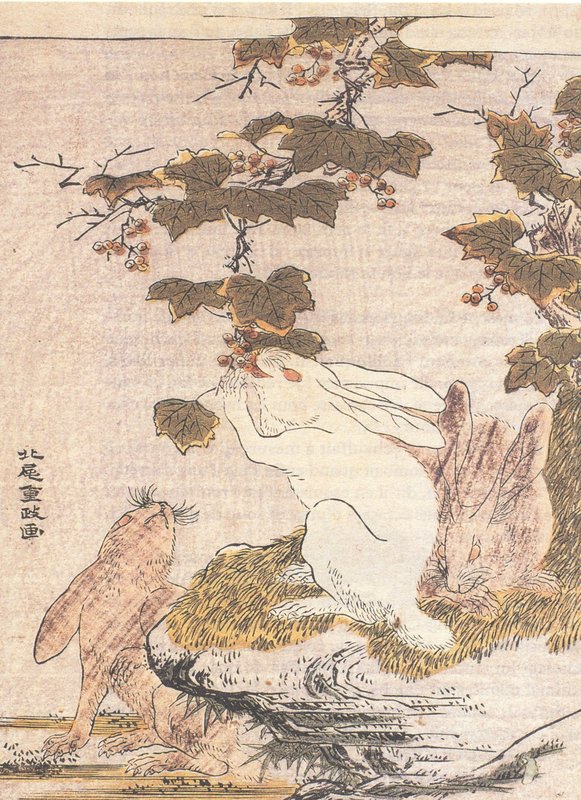
Kitao Shigemasa (1739–1820), born in the bustling Nihonbashi district of Edo (modern Tokyo), emerged as a pivotal figure in ukiyo-e woodblock printing during Japan's Edo period. The eldest son of the bookseller Suharaya Mohei—from a lineage of publishers—Shigemasa, originally named Kitabatake Tarōkichi, was immersed in the world of printing from youth. Largely self-taught, he later studied under the influential ukiyo-e master Nishimura Shigenaga, honing his skills in bijinga, or images of beautiful women. This foundation propelled him to found the Kitao school, blending early influences from Suzuki Harunobu's delicate figures with the more robust yakusha-e (actor prints) of Torii Kiyomitsu, earning him the moniker of a stylistic "chameleon."
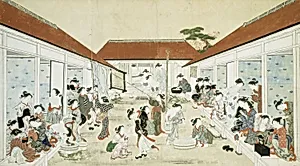
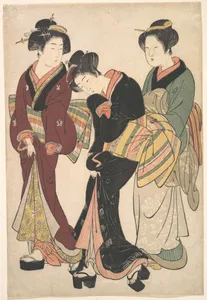
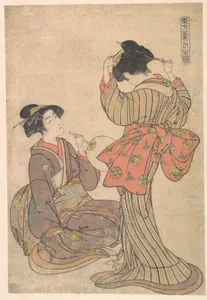
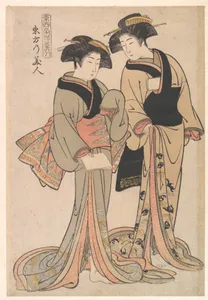
Shigemasa's prolific output spanned over 250 illustrated books (ehon), far outshining his rarer single-sheet prints, which collectors prize for their scarcity. His early benizuri-e (two- or three-color prints) like *Ukiyo Mu Tamagawa* (Six Jewel Rivers of the Floating World, mid-1760s) showcased poised courtesans and geisha against everyday backdrops. By the 1770s, he mastered full-color nishiki-e, collaborating with Katsukawa Shunshō on masterpieces such as *Kaiko Yashinaigusa* (Silkworm Cultivation, c. 1772) and *Seirō Bijin Awase Sugata Kagami* (Mirror of Competing Beauties of the Green Houses, 1776), lavish portrayals of Yoshiwara pleasure-quarter courtesans that doubled as guides to Edo's demimonde. Works like *Tōhō no Bijin no Zu* (Pictures of Beauties from the East, c. 1776–78) highlighted his shift toward fuller, more lifelike female forms, departing from idealized fragility.
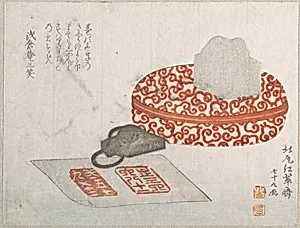
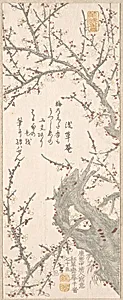
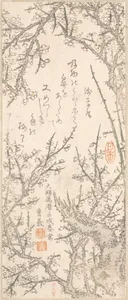
In his later decades, Shigemasa retreated from competitive printmaking amid the rise of Torii Kiyonaga, focusing instead on teaching and diverse pursuits like haikai poetry and shodō calligraphy under the studio name Kosuisai. He mentored luminaries including Kubo Shunman, Santō Kyōden (Kitao Masanobu), and Kitao Masayoshi, while possibly influencing Kitagawa Utamaro and Katsushika Hokusai. Dying at 82 on March 8, 1820, Shigemasa's legacy endures through the Kitao school's innovations in realistic bijinga and ehon design, bridging early ukiyo-e whimsy with the bold expressiveness of later masters, ensuring his subtle elegance captivates modern audiences.
Wikidata/Wikimedia Commons