Ctrl K
1515–1566
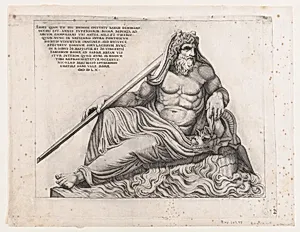
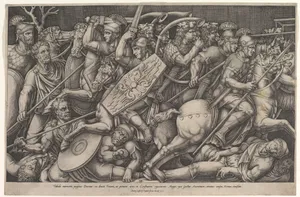
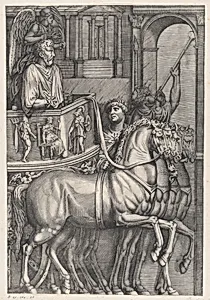
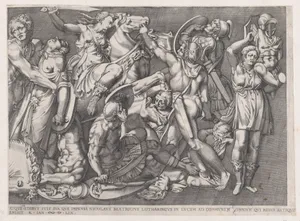
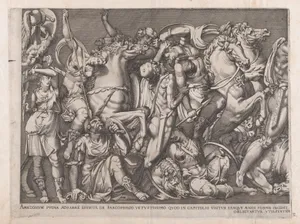
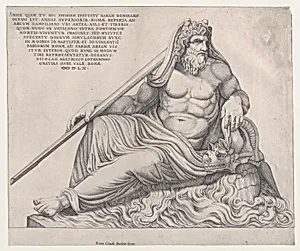
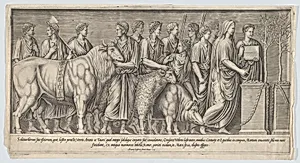
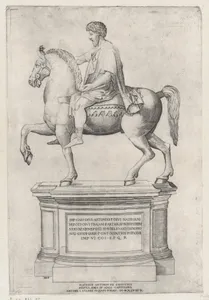
Nicolas Beatrizet, born around 1515 in Lunéville, Lorraine (then part of the Holy Roman Empire), emerged as one of the most prolific French engravers of the 16th century. Little is known about his early life and training, with no records of specific teachers or apprenticeships, though regional influences from German and Italian printmaking likely shaped his skills before he arrived in Rome around 1540. There, he thrived amid the city's vibrant print trade, producing over 100 copperplate engravings that captured the grandeur of ancient Rome and the era's artistic masterpieces.
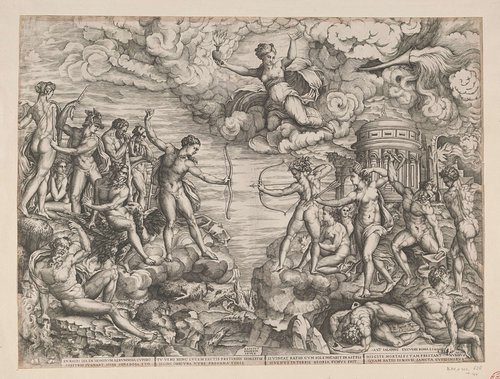
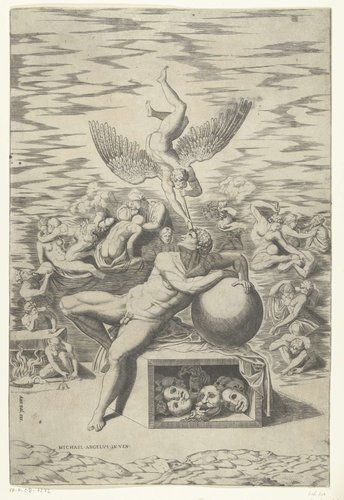
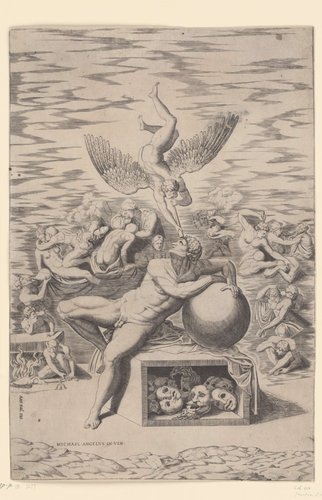
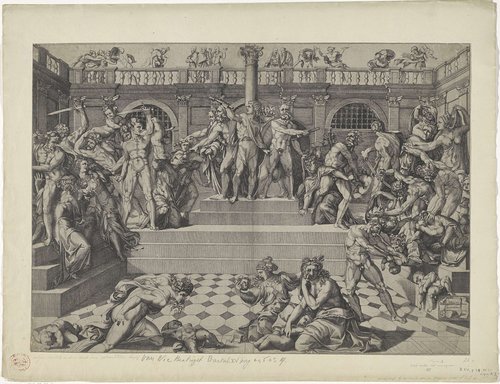
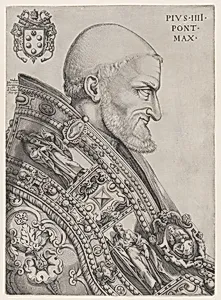
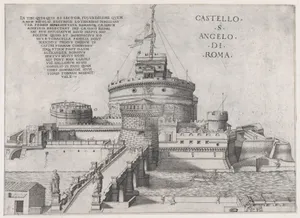
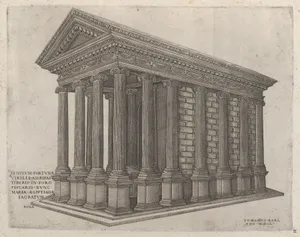
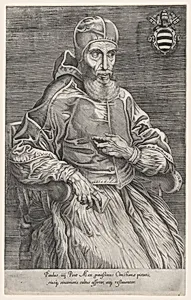
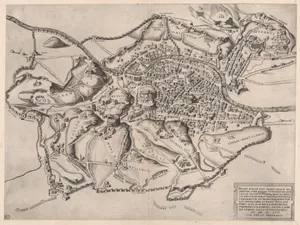
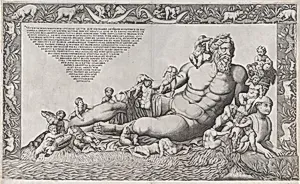
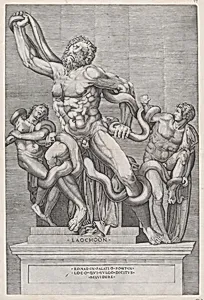
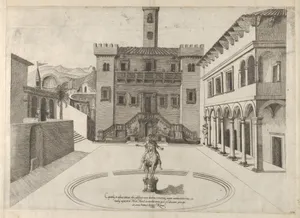
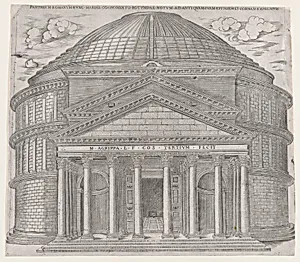
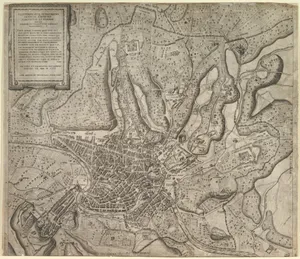
Beatrizet's style exemplified the High Renaissance and early Mannerist engraving traditions, employing precise burin work with fine lines, cross-hatching for tonal depth, and slanting strokes for fluidity—refinements on the techniques of Marcantonio Raimondi. He specialized in reproductive prints after Michelangelo, such as the monumental ten-sheet *Last Judgment* (1562) from the Sistine Chapel, the *Pietà with Angels in Front of the Cross* (1547), *The Fall of Phaeton* (c. 1550–1553), and *The Punishment of Tityos* (c. 1542). His vedute—topographical views—immortalized Roman antiquities, including the *Pantheon* (1549), *Palazzo Farnese* (1549), *Topographical Map of Ancient Rome* (1557), and *The Roman Capitol* (c. 1560), often published by Antonio Lafreri. Portraits like *Henri II, King of France* (1556) and papal effigies further showcased his versatility.
Beatrizet's legacy endures as a pivotal figure in disseminating Italian art northward during the Counter-Reformation, contributing to Lafreri's *Speculum Romanae Magnificentiae* and elevating engraving's status through meticulous fidelity to originals. His works, cataloged extensively by Adam Bartsch, grace collections like the National Gallery of Art and the Metropolitan Museum, preserving Michelangelo's vision and Rome's imperial splendor for generations. With at least 83 known artworks, Beatrizet bridged the visual worlds of France and Italy, influencing printmakers across Europe until his death in Rome around 1566.