Ctrl K
1598–1642
Pierre Brébiette (c. 1598–c. 1642) was a French painter and etcher whose elegant, sensuous treatment of classical mythology and allegory earned him a significant reputation in early seventeenth-century Paris. Born in Mantes-sur-Seine, Brébiette traveled to Italy as a young man and lived and worked in Rome from around 1617 to approximately 1625, absorbing the influences of ancient sculpture, Renaissance painting, and the vibrant community of artists then active in the city. This formative Italian period left a deep and lasting imprint on his imagery and compositional sensibility.
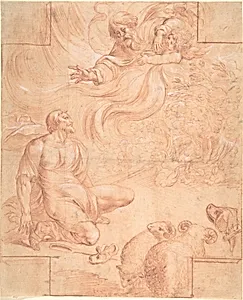
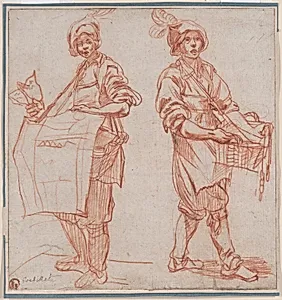
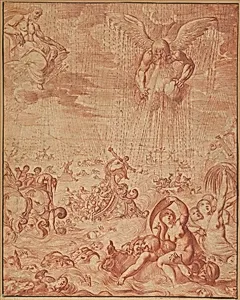
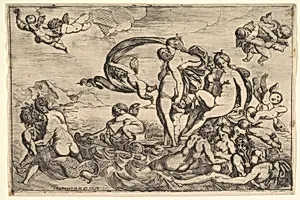
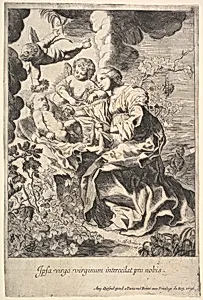
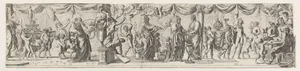
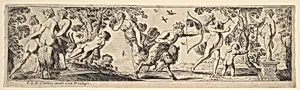
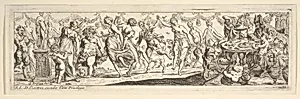
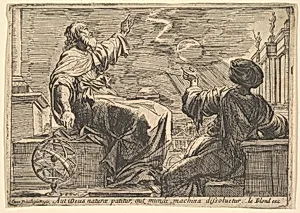
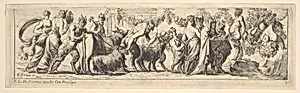
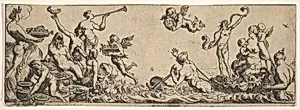
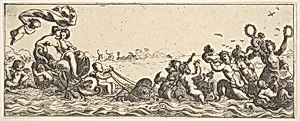
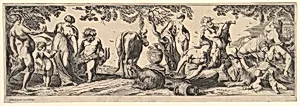
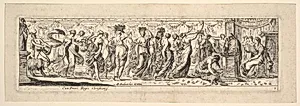
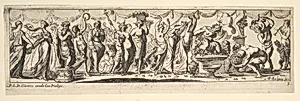
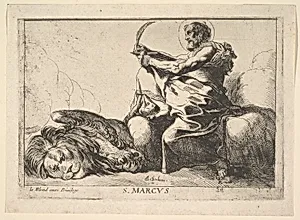
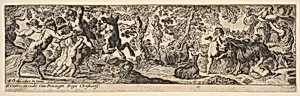
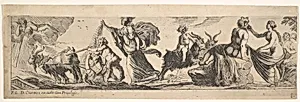
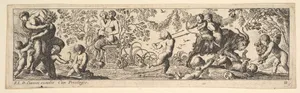
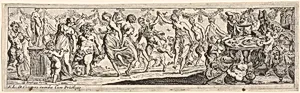
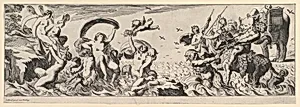
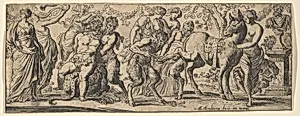
Returning to France, Brébiette became one of the most prolific etchers working in Paris in the decades preceding the mid-century. His surviving etchings reveal a consistent preference for classical Greco-Roman subject matter, with particular enthusiasm for Bacchanalian revels, satyrs, and scenes drawn from Ovid's Metamorphoses. Works such as Bacchanal and Birth of the Satyrs — both represented in the collection of the Metropolitan Museum of Art — exemplify the fluid draftsmanship and mythological playfulness that characterized his output. While many of his paintings are lost or remain unattributed, one signed oil on canvas, The Rape of Proserpina by Pluto, is held in the Musée des Beaux-Arts et d'Archéologie de Châlons-en-Champagne and serves as the primary anchor for identifying his painted style.
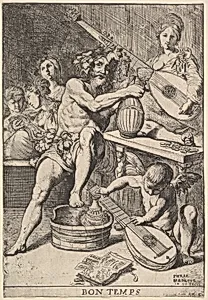
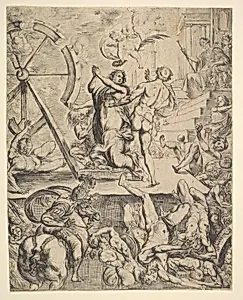
Brébiette also received literary commissions: in the early 1630s he produced drawings for French poet Jacques Favereau intended as illustrations for a book of sonnets titled Tableaux des vertus et des vices. Though the project was incomplete at Favereau's death in 1638, the material was later expanded by the scholar Michel de Marolles and published in 1655 as a volume based on Ovid's Metamorphoses. That Brébiette's paintings were popular enough to inspire at least ten known engravings made by other hands speaks to the esteem in which his compositions were held by contemporaries. He remains a representative figure of French Baroque printmaking, linking the classical inheritance of Rome with the decorative vitality of Parisian artistic culture.