Ctrl K
1525–1569
Pieter Bruegel the Elder, a pioneering Netherlandish painter of the Renaissance, was born around 1525–1530, likely in Breda in the Duchy of Brabant (present-day Netherlands). Little is known of his early family background, but he apprenticed under the Antwerp painter and designer Pieter Coecke van Aelst between approximately 1545 and 1550, mastering tapestry design, architecture, and painting techniques influenced by Italian and Ottoman styles. After Coecke's death, Bruegel assisted Peeter Baltens in Mechelen and registered as a master in Antwerp's Guild of Saint Luke in 1551. He journeyed to Italy around 1552, sketching Alpine landscapes and Mediterranean scenes, which profoundly shaped his panoramic vistas.
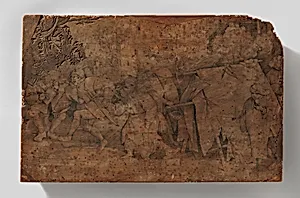
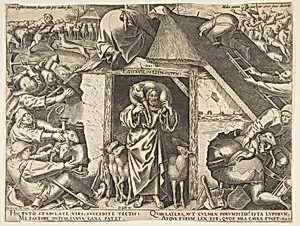
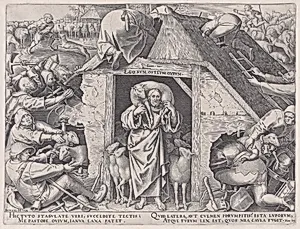
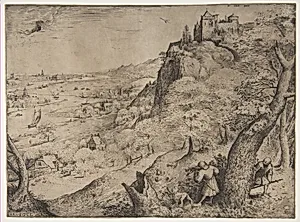
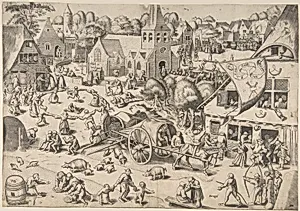
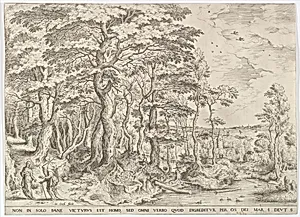
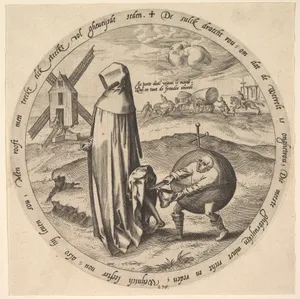
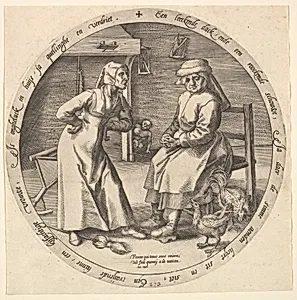
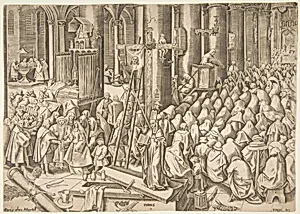
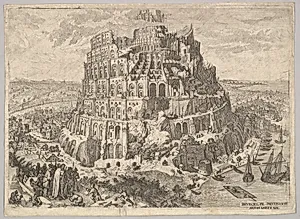
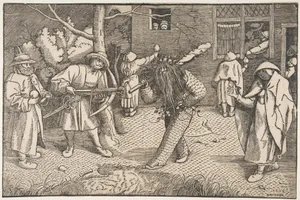
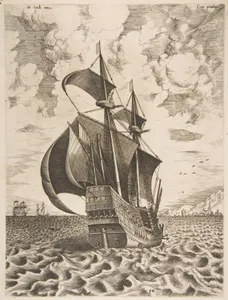
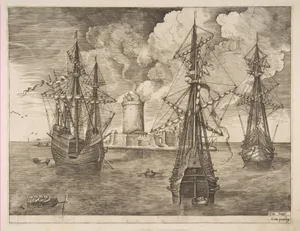
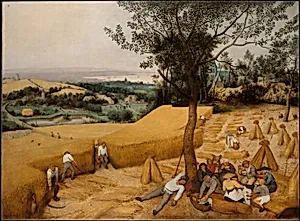
Settling in Antwerp by 1555, Bruegel worked in the Flemish Renaissance tradition, designing over 40 prints for publisher Hieronymus Cock—such as *Big Fish Eat Little Fish* (1556)—before focusing on paintings from 1557. He innovated genre painting with large-scale depictions of peasant life, proverbs, and seasons, employing bird's-eye views, teeming crowds, and earthy humor infused with moral satire, drawing from Hieronymus Bosch's grotesquerie and Joachim Patinir's world landscapes but emphasizing naturalistic detail over the supernatural. Masterpieces include *Netherlandish Proverbs* (1559), brimming with 120 idiomatic scenes; *The Fight Between Carnival and Lent* (1559); *Children's Games* (1560); *The Triumph of Death* (c. 1562); *The Tower of Babel* (1563); *The Harvesters* (1565) and *The Hunters in the Snow* (1565) from his Months series; and late gems like *The Peasant Wedding* (1568). In 1563, he moved to Brussels, painting for patrons like Cardinal Granvelle.
Bruegel married Mayken Coecke—daughter of his former teacher—in 1563; their sons, Pieter the Younger (b. 1564) and Jan the Elder (b. 1568), became renowned painters trained by their grandmother Mayken Verhulst, founding a dynasty that preserved his legacy through copies. Dying on September 9, 1569, in Brussels, Bruegel profoundly influenced the Dutch Golden Age, elevating humble rural life into epic narratives of human folly and resilience, paving the way for genre painting and artists like Rubens and Rembrandt. His prints ensured enduring fame across Europe.