Ctrl K
1771–1844
Teisai Hokuba (1771–1844) was a Japanese artist of the Edo period who worked in the tradition of ukiyo-e, the celebrated school of woodblock prints and paintings that depicted the floating world of urban pleasure, theater, landscape, and daily life. A devoted pupil of Katsushika Hokusai — one of the towering figures in the history of Japanese art — Hokuba adopted the prefix of his master's name as a mark of discipleship and worked closely within the stylistic orbit of Hokusai's immensely productive studio for much of his career.
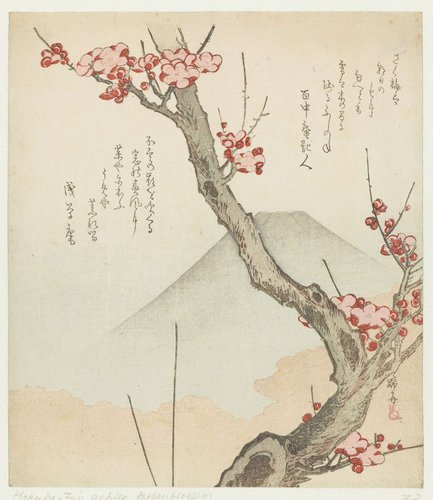
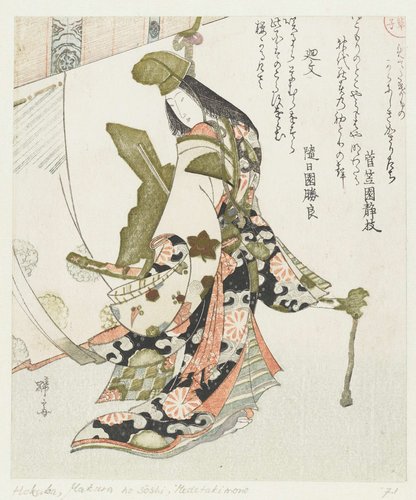
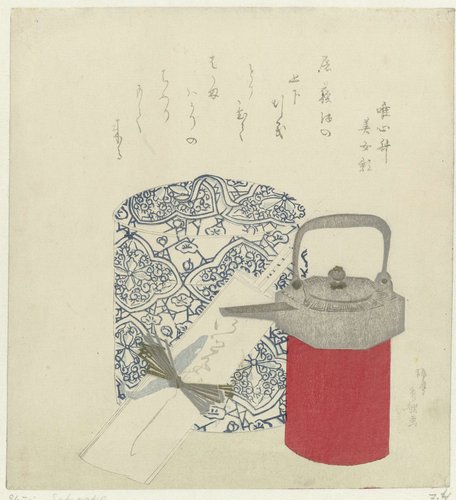
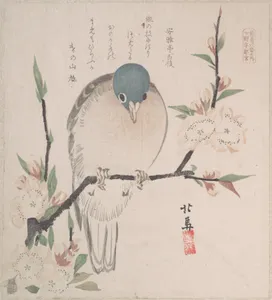
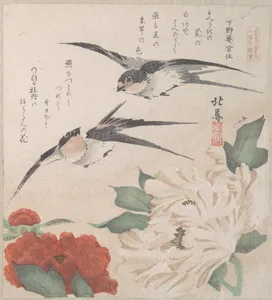
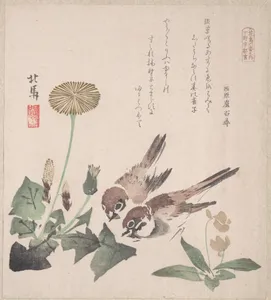
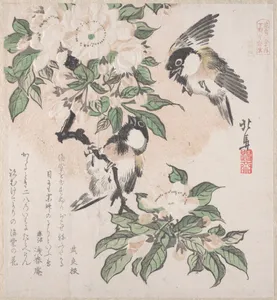
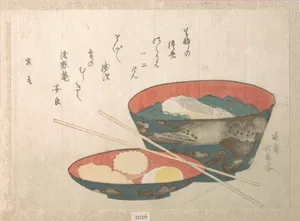
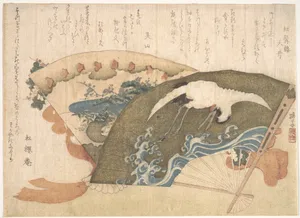
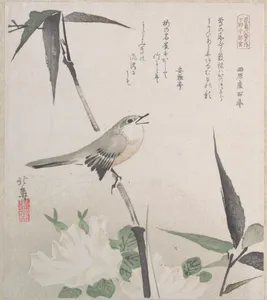
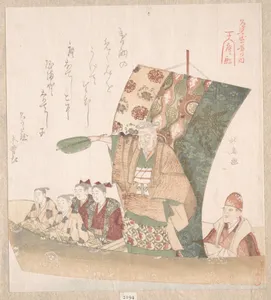
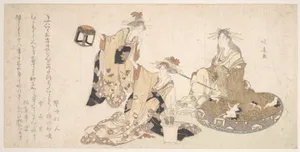
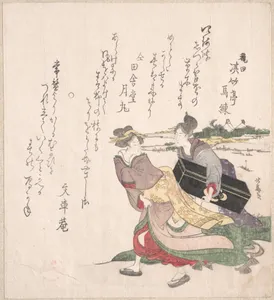
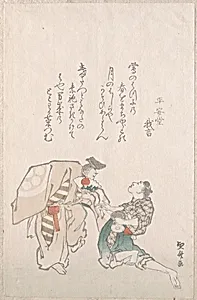
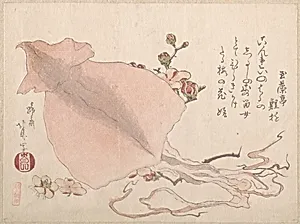
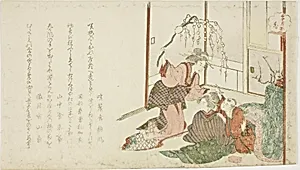
Hokuba was one of Hokusai's most accomplished followers, and his works in surimono — the luxuriously printed, privately commissioned cards and poetry sheets that represented the highest refinement of Edo-period printing — are particularly admired. Surimono demanded the finest materials and the most exquisite printing techniques, including the use of mica, blind embossing, and metallic pigments, and Hokuba mastered these demanding requirements with evident skill. His surimono designs typically combine elegant figure studies, seasonal imagery, and poetic inscriptions in compositions of great refinement.
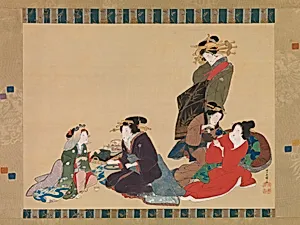
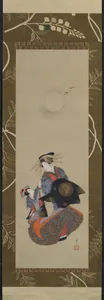
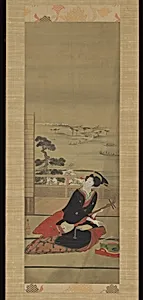
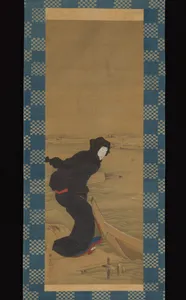
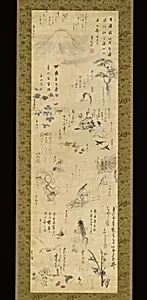
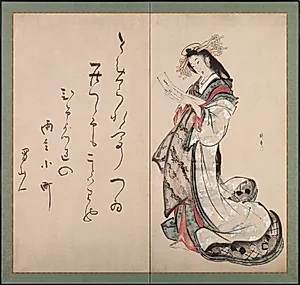
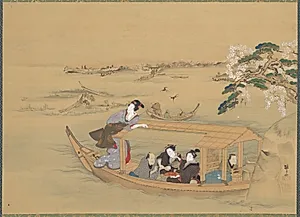
Beyond surimono, Hokuba produced paintings, illustrated books, and single-sheet prints in a range of genres, including classical literary subjects, portraits of beauties, and scenes from the Kabuki theater. His work reflects the broad visual culture of late Edo-period Japan and the extraordinary richness of the ukiyo-e tradition in which he was trained.
Though Hokuba has not attained the posthumous fame of his master Hokusai, his work is held in major collections in Japan, Europe, and North America, and his surimono in particular continue to be sought by collectors and studied by scholars of Japanese art. He represents the distinguished tradition of master-pupil transmission that lay at the heart of Edo-period artistic culture.