
Arts of Asia — Page 14
9,604 artworks · Art Institute of Chicago
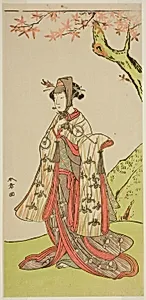
The Actor Iwai Hanshiro IV as Princess Sakura (Sakura Hime) in the Play Wada Sakamori Eiga Kagami, Performed at the Nakamura Theater in the Third Month, 1773
Katsukawa Shunsho, c. 1773
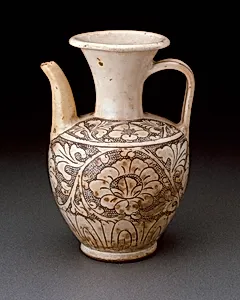
Ewer with Peony Scroll
Unknown, Northern Song dynasty (960–1127), 11th century
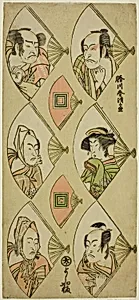
Bust Portraits of Actors in Folding Fans: Ichikawa Danjuro V, Segawa Kikunojo III, Ichikawa Monnosuke II (right, top to bottom); Nakamura Nakazo I, Matsumoto Koshiro IV, Bando Mitsugoro II (left, top to bottom)
Katsukawa Shunsei, c. 1788
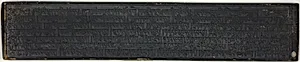
Prayer Board
Unknown, 15th/17th century
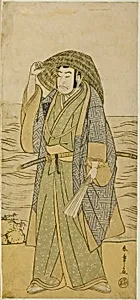
The Actor Nakamura Nakazo I as Kume no Heinaizaemon Disguised as the Street Fortune-teller Kosaka Jinnai, in the Play Kotobuki Banzei Soga, Performed at the Ichimura Theater in the Fifth Month, 1783
Katsukawa Shunsho, c. 1783
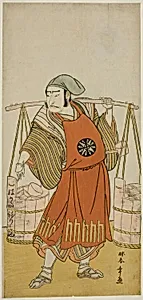
The Actor Nakamura Nakazo I as Nagasaki Kageyuzaemon Disguised as Gorohachi the Sake Seller, in the Play Hikitsurete Yagoe Taiheiki, Performed at the Morita Theater in the Eleventh Month, 1776
Katsukawa Shunsho, c. 1776
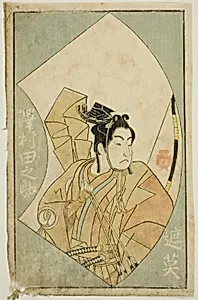
The Actor Sawamura Tanosuke I, from "A Picture Book of Stage Fans (Ehon butai ogi)"
Katsukawa Shunsho, 1770
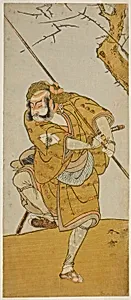
The Actor Onoe Matsusuke I as Kobayashi no Asahina Disguised as a Bird-Catcher in the Play Edo no Haru Meisho Soga, Performed at the Ichimura Theater in the Third Month, 1773
Katsukawa Shunsho, c. 1773
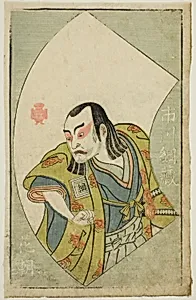
The Actor Ichikawa Tsunazo, from "A Picture Book of Stage Fans (Ehon butai ogi)"
Katsukawa Shunsho, 1770
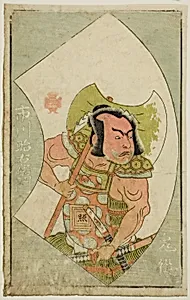
The Actor Ichikawa Shoemon, from "A Picture Book of Stage Fans (Ehon butai ogi)"
Katsukawa Shunsho, 1770
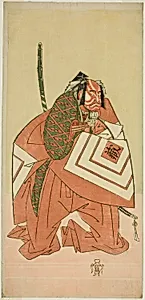
The Actor Ichikawa Danzo III as Sanada no Yoichi (?) in the Play Sanada no Yoichi Banjaku no Iezuto (?), Performed at the Morita Theater (?) in the Eleventh Month, 1767 (?)
Katsukawa Shunsho, c. 1767
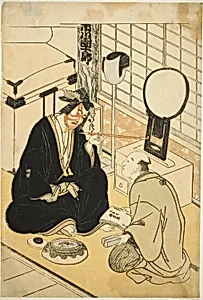
The Actor Ichikawa Danjuro V in His Dressing Room
Katsukawa Shunsho, c. 1783
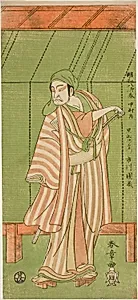
The Actor Ichikawa Danzo III as the Boathouse Man Kurofune Chuemon in the Play Sakai-cho Soga Nendaiki, Performed at the Nakamura Theater in the First Month, 1771
Katsukawa Shunsho, c. 1771
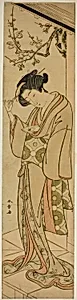
Woman on a Veranda About to Open a Love-letter
Katsukawa Shunsho, mid–late 1770s
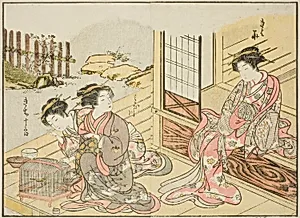
Courtesans of the Kagemanjiya, from the book "Mirror of Beautiful Women of the Pleasure Quarters (Seiro bijin awase sugata kagami)," vol. 1
Katsukawa Shunsho, 1776
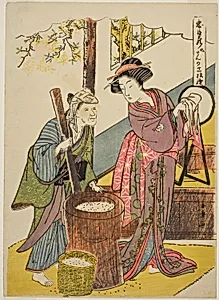
Act Six: Yoichibei's House from the play Chushingura (Treasury of Loyal Retainers)
Katsukawa Shunsho, c. 1779/80
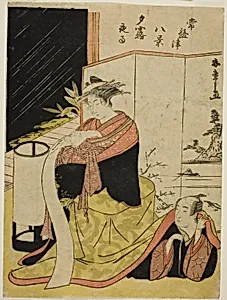
The Courtesan Yugiri and Her Lover Fujiya Izaemon, from the series "Tokiwazu Hakkei"
Katsukawa Shunsho, mid–1780s
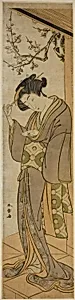
Woman on a Verandah About to Open a Letter
Katsukawa Shunsho, mid–late 1770s
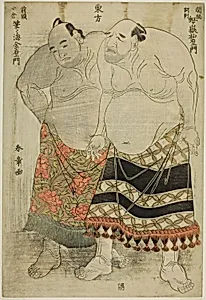
Sumo Wrestlers of the Eastern Group: (right) Nijigadake Somaemon of Sekiwake Rank from Awa Province, and (left) Fudenoumi Kin'emon of Maegashira Rank from Kokura
Katsukawa Shunsho, c. 1782/83
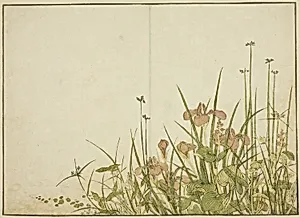
Summer Flowers: Irises and Water Plantains, from the book "Mirror of Beautiful Women of the Pleasure Quarters (Seiro bijin awase sugata kagami)," vol. 1
Katsukawa Shunsho, 1776
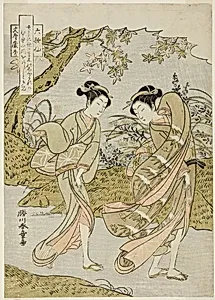
Funya no Yasuhide, Two Women in a Gusty Autumn Landscape, from the series "Rokkasen (The Six Immortal Poets)"
Katsukawa Shunsho, c. 1771
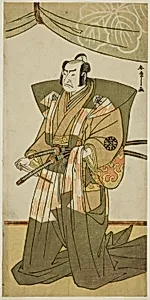
The Actor Nakamura Nakazo I as Saito Sanemori in the Play Kitekaeru Nishiki no Wakayaka, Performed at the Nakamura Theater in the Eleventh Month, 1780
Katsukawa Shunsho, c. 1780
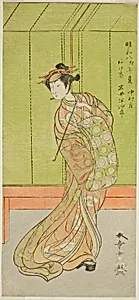
The Actor Iwai Hanshiro IV as Agemaki in the Play Sakai-cho Soga Nendaiki, Performed at the Nakamura Theater in the Third Month, 1771
Katsukawa Shunsho, c. 1771
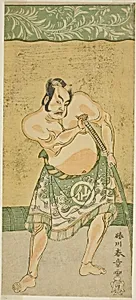
The Actor Nakamura Sukegoro II as the Sumo Wrestler Matano no Goro in the Play Myoto-giku Izu no Kisewata, Performed at the Ichimura Theater in the Eleventh Month, 1770
Katsukawa Shunsho, c. 1770
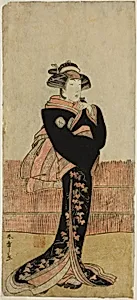
The Actor Azuma Tozo III in an Unidentified Role
Katsukawa Shunsho, early 1780s
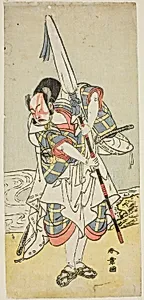
The Actor Nakamura Juzo II as Asahara Hachiro disguised as the servant of a princely family, from the play "Onna Aruji Hatsuyuki no Sekai," performed at the Morita Theater in the eleventh month, 1773
Katsukawa Shunsho, c. 1773
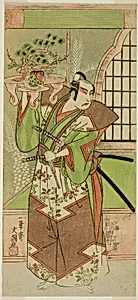
The Actor Ichikawa Yaozo II in a pre-performance celebration of the play "Soga Monogatari," performed at the Morita Theater in the second month, 1773
Ippitsusai Buncho, 1773
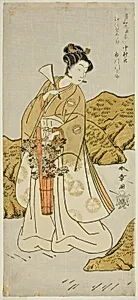
The Actor Ichikawa Monnosuke II as Shira-giku, a Temple Page, In the Play Haru wa Soga Akebono-zoshi, Performed at the Nakamura Theater in the First Month, 1772
Katsukawa Shunsho, c. 1772
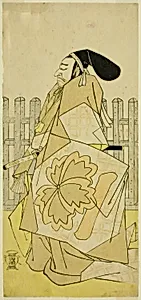
The Actor Nakayama Kojuro VI as Ko no Moronao in the Play Kanadehon Chushingura, Performed at the Nakamura Theater in the Fifth Month, 1786
Katsukawa Shunsho, c. 1786
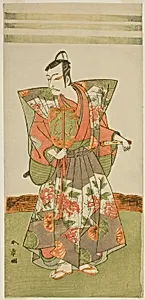
The Actor Ichikawa Danjuro V as Kudo Kanaishi in the Play Izu-goyomi Shibai no Ganjitsu, Performed at the Morita Theater in the Eleventh Month, 1772
Katsukawa Shunsho, c. 1772
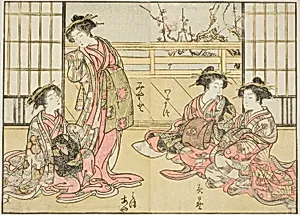
Courtesans of the Kadotamaya, from the book "Mirror of Beautiful Women of the Pleasure Quarters (Seiro bijin awase sugata kagami)," vol. 1
Katsukawa Shunsho, 1776
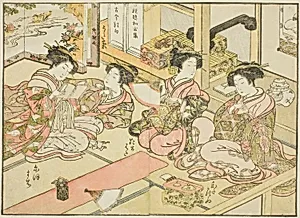
Courtesans of the Ogiya, from the book "Mirror of Beautiful Women of the Pleasure Quarters (Seiro bijin awase sugata kagami)," vol. 1
Katsukawa Shunsho, 1776
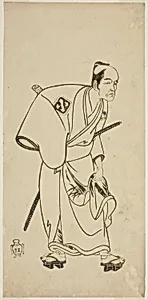
The Actor Arashi Otohachi I as Hotei Ichiemon in the Play Ayatsuri Kabuki Ogi, Performed at the Nakamura Theater in the Seventh Month, 1768
Katsukawa Shunsho, c. 1768
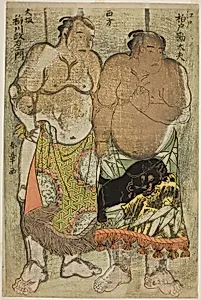
Sumo Wrestlers of the Western Group: (right) Kashiwado Kandayu from Edo, (left) and Inagawa Masaemon from Osaka
Katsukawa Shunsho, c. 1784
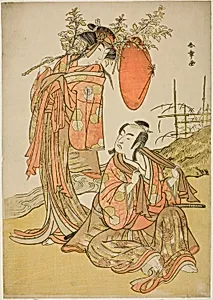
The Actors Ichikawa Monnosuke II and Segawa Kikunojo III as the Lovers Seijuro (right) and Onatsu (left), in the Elopement Scene "Michiyuki Hiyoku no Kiku-cho" (An Elopemet: Chrysanthemum-and-Butterfly Lovebirds), a Dance Interlude from Part Two of the Play Kabuki no Hana Bandai Soga (Flower of Kabuki: The Eternal Soga), Performed at the Ichimura Theater from the Twenty-fifth Day of the Fourth Month, 1781
Katsukawa Shunsho, c. 1781
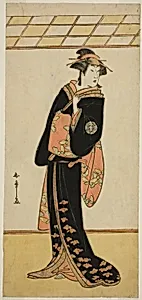
The Actor Nakamura Riko I as Lady Manko (Manko Gozen) (?) in the Play Soga Musume Choja (?), Performed at the Nakamura Theater (?) in the First Month, 1784 (?)
Katsukawa Shunsho, c. 1784
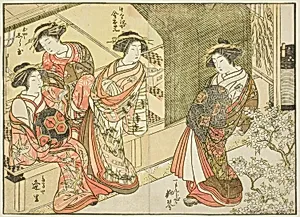
Four courtesans of various houses, from the book "Mirror of Beautiful Women of the Pleasure Quarters (Seiro bijin awase sugata kagami)," vol. 3
Katsukawa Shunsho, 1776
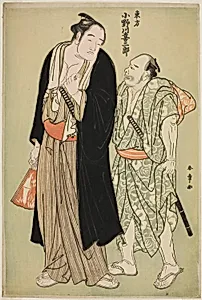
The Sumo Wrestler Onogawa Kisaburo of the Eastern Group, with an Attendant
Katsukawa Shunsho, c. 1782/86
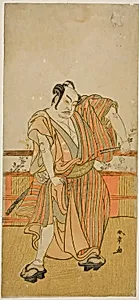
The Actor Nakamura Sukegoro II in an Unidentified Role
Katsukawa Shunsho, c. 1779
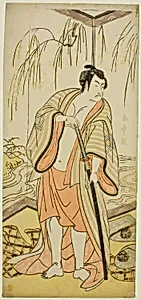
The Actor Ichikawa Monnosuke III as the Sumo Wrestler Shirafuji Genta in the Play Edo no Hana Mimasu Soga, Performed at the Nakamura Theater in the Third Month, 1783
Katsukawa Shunjо̄, c. 1783
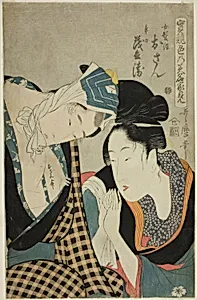
A Test of Skill - the Headwaters of Amorousness (Jitsu kurabe iro no minakami): Osan and Mohei
Kitagawa Utamaro, n.d.
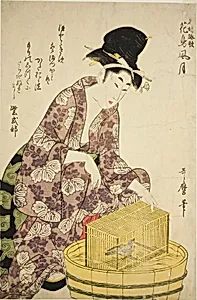
Murasaki Shikibu: Bird, from the series "Famous Women and Their Poems on Flowers, Birds, Wind, and Moon (Meifu eika kacho fugetsu)"
Kitagawa Utamaro, c. 1805
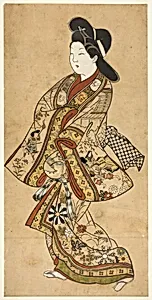
A Beauty Walking
Sugimura Jihei, 17th century
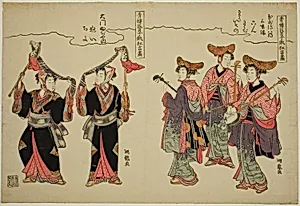
Musicians from Tamaya Yahachi and hobby-horse dancers from Daimon Fujiya, from the series "Comic Performances by the Entertainers of the Pleasure Quarters at the Niwaka Festival (Seiro geiko niwaka kyogen zukushi)"
Isoda Koryusai, c. 1776/81
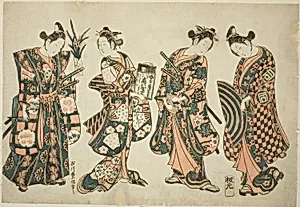
The Actors Sanogawa Ichimatsu (right), Nakamura Kiyosaburo (center right), Sanogawa Senzo (center left), and Nakamura Kumetaro (left)
Ishikawa Toyonobu, c. 1750
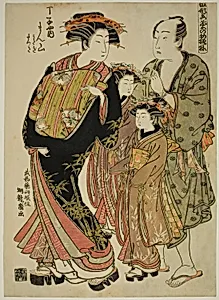
Manzan of the Chojiya, from the series "Models for Fashion: New Designs as Fresh as Young Leaves (Hinagata wakana no hatsu moyo)"
Isoda Koryusai, c. 1778/80
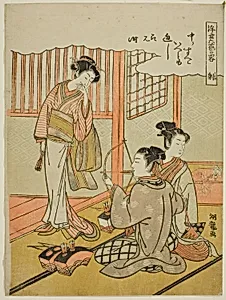
Archery (Sha), from the series "Informal Versions of the Six Accomplishments in the Floating World (Ukiyoe rikugei ryaku)"
Isoda Koryusai, c. 1773/75
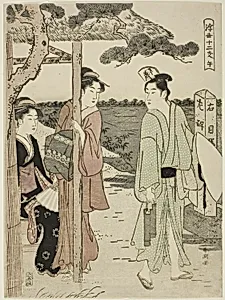
Horse, from the series "Twelve Hours of the Floating World (Ukiyo juni shi)"
Katsukawa Shunchô, c. 1780/1801