1747–1776
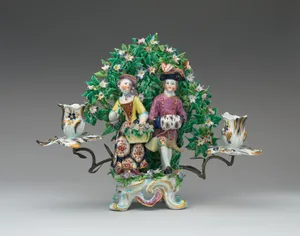
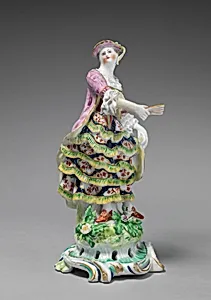
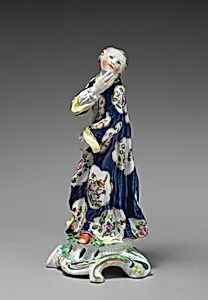
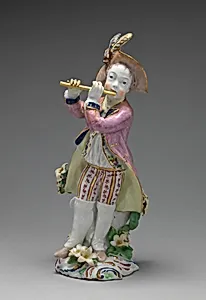
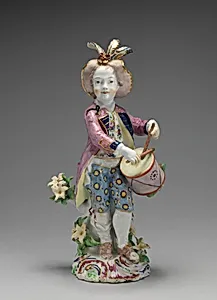
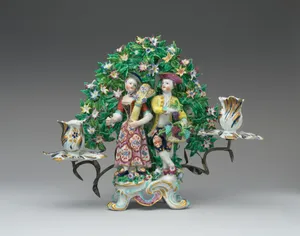
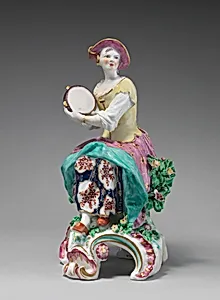
The Bow Porcelain Factory, established around 1747 in East London near Bow and relocated by 1749 to "New Canton" east of the River Lea, emerged as one of England's pioneering soft-paste porcelain manufacturers, rivaling the Chelsea factory. Founded by merchant Edward Heylyn and Irish painter Thomas Frye, who secured key patents in 1744 and 1748–49 for using Cherokee kaolin and bone ash, the factory innovated an early form of bone china from local slaughterhouse ash, yielding a warm, creamy, glassy body under an ivory glaze. Under Frye's management until 1759, and later owned by John Crowther and John Weatherby, it employed up to 300 workers, including 90 painters, making it Britain's largest porcelain producer by the mid-1750s. Modellers like George Michael Moser, a Royal Academy founder, contributed rococo figures, while others such as John Bacon shaped pastoral and theatrical pieces.
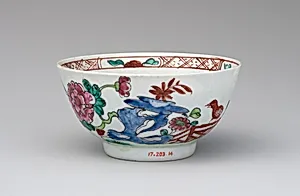
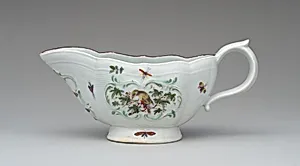
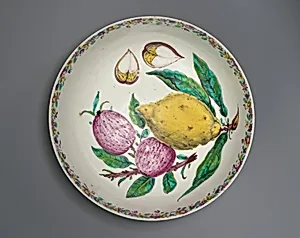
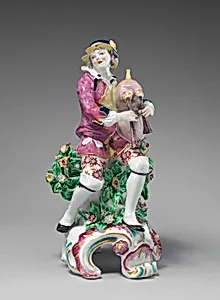
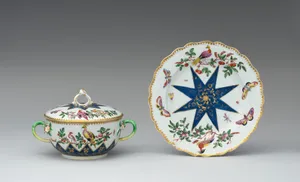
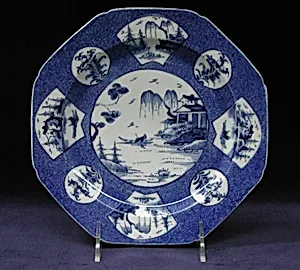
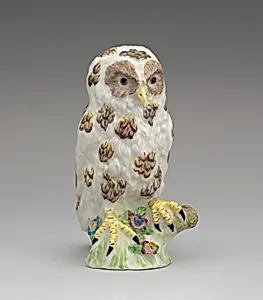
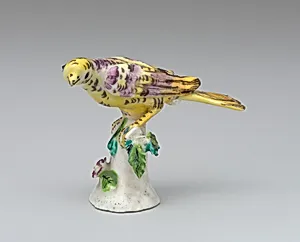
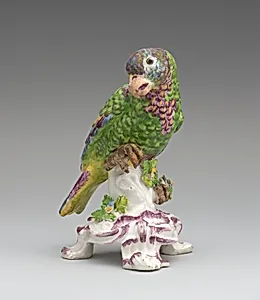
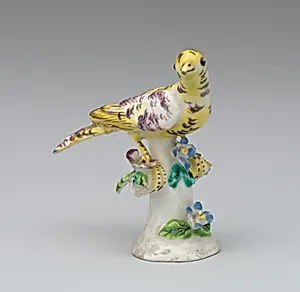
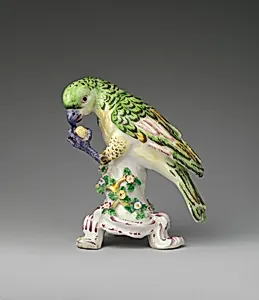
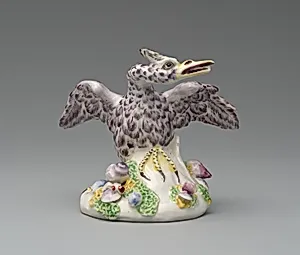
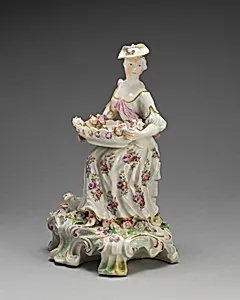
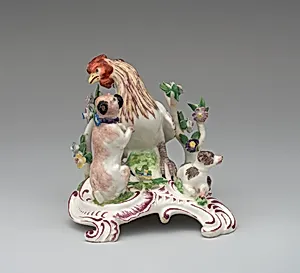
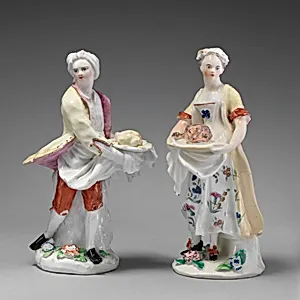
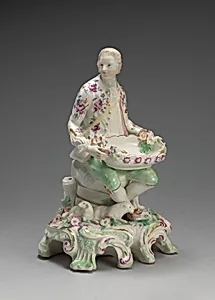
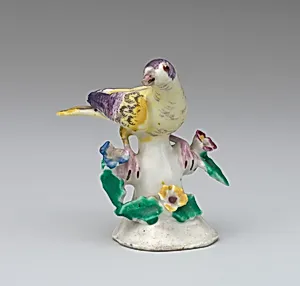
The factory's output blended Eastern and European influences, imitating Chinese famille rose and Kakiemon patterns, Japanese partridges, Meissen figures, and Chelsea botanicals on tableware like blue-and-white plates, sprigged mugs, and rococo sauceboats (c. 1750). Standout figurines included the earliest full-length English porcelain portraits—Kitty Clive and Henry Woodward as characters from *Lethe* (1750–52)—alongside military heroes like General James Wolfe (1759) and the Marquess of Granby (1760–62), pastoral shepherds, animals such as parrots (c. 1760), and the grand Farnese Flora. Pieces like the inscribed inkwell "Made at New Canton 1750" and botanical plates (c. 1756–60) showcased transfer printing and enamel work, targeting middle-class homes with affordable domestic wares.
Though quality waned after 1760 amid competition and ownership woes—Crowther's 1763 bankruptcy and Weatherby's death—the factory persisted until 1776, when William Duesbury acquired it, transferring moulds to Derby. Bow's legacy endures as a cornerstone of British ceramics, pioneering bone china that influenced global production, democratizing luxury through mass output, and preserving East London's inventive spirit near today's Olympic Park.