Ctrl K
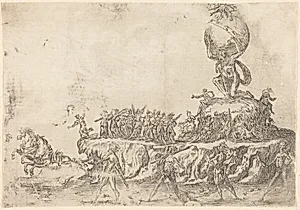
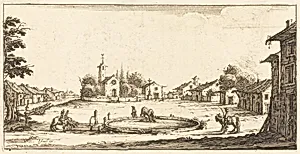
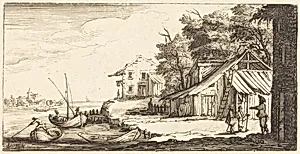
**Jacques Callot (c. 1592–1635)**, the master whose designs inspired the works attributed "after Jacques Callot," was a pioneering French Baroque printmaker and draftsman born in Nancy, capital of the independent Duchy of Lorraine (now northeastern France). From a noble family—his father served as master of ceremonies and herald-at-arms to the Duke of Lorraine—young Callot was apprenticed to a goldsmith at age fifteen, receiving early instruction from court painter Claude Henriet and silversmith Demenge Crocq. Defying parental expectations of a military or clerical career, he fled to Italy around 1608, first studying engraving in Rome under the expatriate Frenchman Philippe Thomassin before moving to Florence in 1612, where he learned etching from Antonio Tempesta.
In Florence, Callot thrived as an independent master in the Medici court under Cosimo II de' Medici, producing vibrant series capturing commedia dell'arte performers and festive scenes, such as *Varie Figure Gobbi* (1616), *Balli di Sfessania*, and *The Fair at Impruneta* (1620). His intricate etchings blended Mannerist exaggeration with emerging Baroque dynamism, showcasing crowded compositions of clowns, beggars, and gypsies against theatrical landscapes. Callot's technical innovations— including the échoppe etching tool for swelling lines, multiple acid-bath stoppings-out for tonal depth, and a varnish-based ground to prevent foul-biting—revolutionized printmaking, allowing unprecedented detail in over 1,400 works.
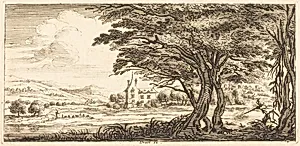
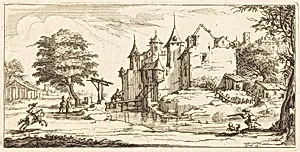
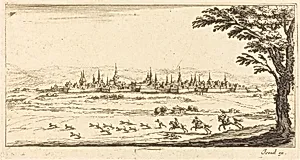
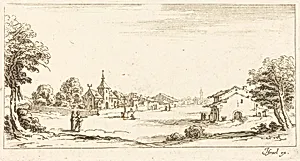
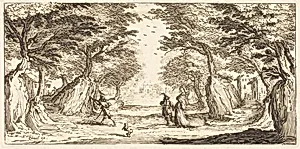
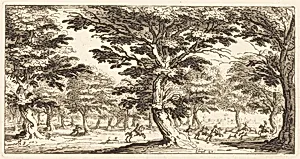
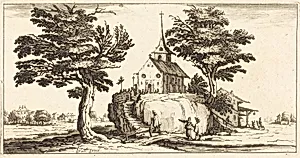
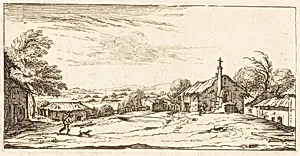
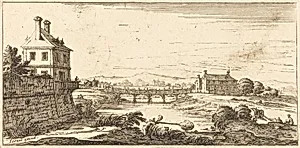
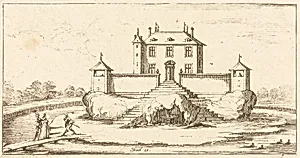
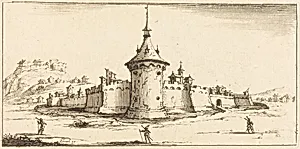
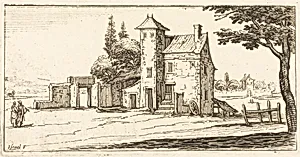
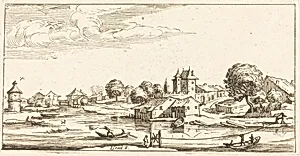
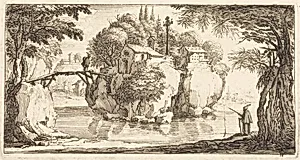
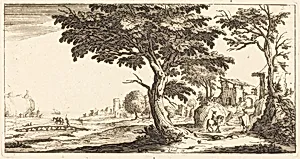
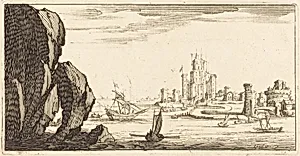
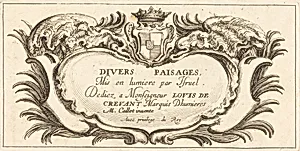
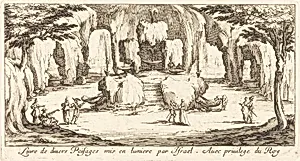
Returning to Nancy after Cosimo's death in 1621, Callot served the Lorraine dukes while receiving commissions from French and Spanish courts. His later output turned darker, reflecting the Thirty Years' War's horrors in masterpieces like *Les Grandes Misères de la guerre* (18 etchings, 1633) and *Les Petites Misères de la guerre* (1633), alongside religious series such as *The Temptation of St. Anthony* (1635). These prints' unflinching depictions of pillage, famine, and execution influenced Rembrandt and Goya, while devotee Abraham Bosse disseminated his techniques across Europe via the first etching manual. Works "after Jacques Callot" in museum collections—often anonymous etchings or engravings reproducing his compositions—attest to his enduring appeal, preserving his legacy through faithful copies by followers like Wenceslaus Hollar.