Ctrl K
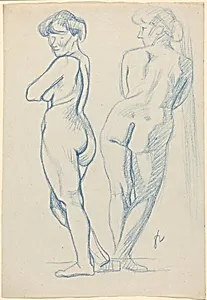
1865–1925
Félix Vallotton (1865–1925) was born in Lausanne, Switzerland, into a comfortable middle-class family, and moved to Paris in 1882 to enroll at the Académie Julian, where he studied under the portrait painter Jules Joseph Lefebvre and the history painter Gustave Boulanger. Paris would remain his home for the rest of his life, and he became a French citizen in 1900 following his marriage to the art dealer's widow Gabrielle Rodrigues-Henriques.
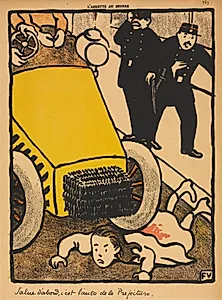
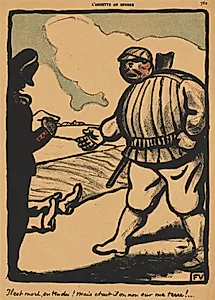
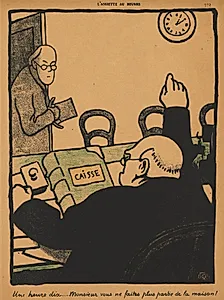
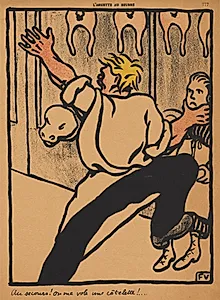
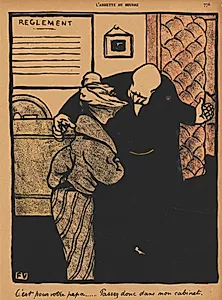
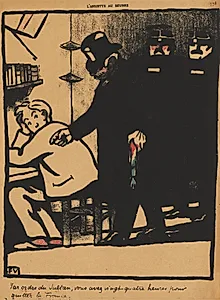
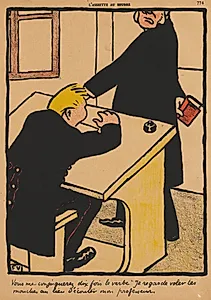
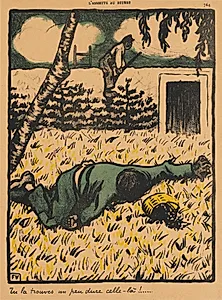
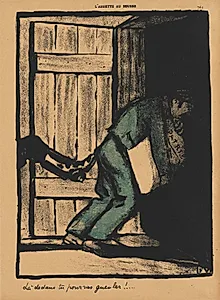
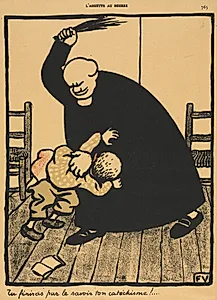
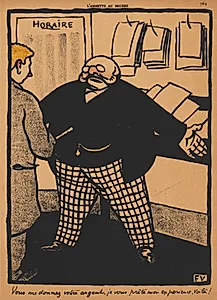
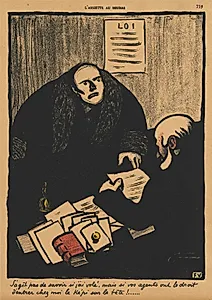
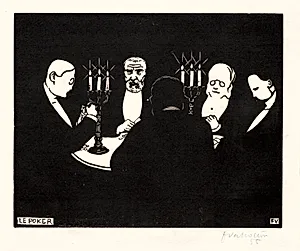
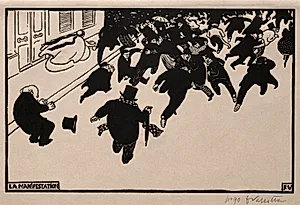
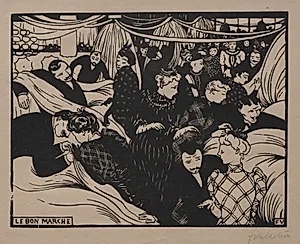
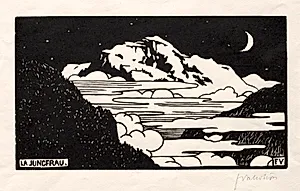
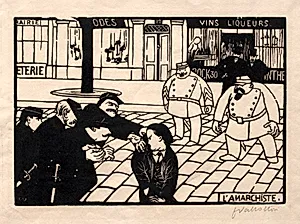
Vallotton's early work showed considerable skill in realistic portraiture and helped him gain recognition at the Salon from 1885 onward. His artistic identity shifted decisively in the early 1890s when he became associated with the Nabis—a loose grouping that included Pierre Bonnard, Édouard Vuillard, Maurice Denis, and Ker-Xavier Roussel—who were united by their interest in symbolism, flat color, and the decorative possibilities of the painted surface. It was within this circle that Vallotton revived the woodcut as a serious artistic medium. His prints, characterized by bold contrasts of black and white, simplified silhouettes, and a cool psychological distance, brought him international attention through publication in journals such as La Revue blanche. His ten-print series Intimités depicted bourgeois domestic encounters between men and women with an unsettling ambiguity that has earned sustained critical interest.
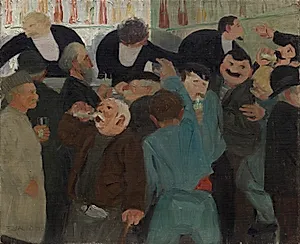
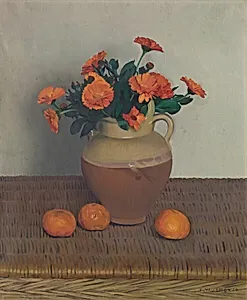
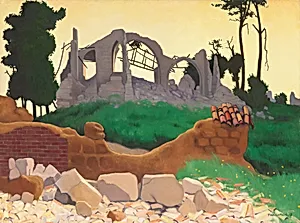
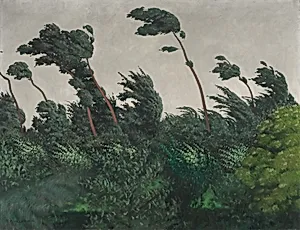
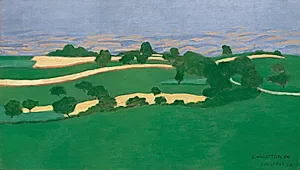
After 1901 Vallotton largely abandoned printmaking to concentrate on painting, producing a substantial body of work in oil that encompassed still life, landscape, the nude, and portraiture. His painted nudes in particular display a polished, almost enamel-like finish and an emotional detachment that sets them apart from the warmer sensuality of his contemporaries. He painted members of the Parisian cultural elite and Nabi circle, and his landscapes of Normandy and the Swiss countryside display a subtle, uneasy tension between surface order and psychological suggestion.
Vallotton has come to be recognized as one of the most distinctive voices at the intersection of Post-Impressionism, Symbolism, and the nascent currents of Modernism. Major retrospective exhibitions, including one at the Metropolitan Museum of Art presented in 2019, have renewed appreciation for the breadth and psychological complexity of his achievement. His woodcuts in particular remain touchstones in the history of the modern print.