
18th Century Art
The 18th century, also known as the Age of Enlightenment, saw the flourishing of Rococo elegance and the emergence of Neoclassicism. This period celebrated reason, refinement, and classical ideals while producing ornate decorative arts and grand historical paintings.
Historical Context
The Enlightenment emphasized reason, science, and classical learning. The century witnessed the French Revolution, the rise of the middle class, and growing interest in archaeology. These factors shaped artistic tastes from Rococo frivolity to Neoclassical severity.
Key Characteristics
- Rococo elegance and ornamental sophistication
- Neoclassical revival of Greco-Roman ideals
- Emphasis on reason, order, and moral virtue
- Development of portrait painting and genre scenes
- Grand historical and mythological subjects
Notable Artists
Related Art Movements
Explore 18th Century Artworks
10,000 artworks from 1700-1799 available in our collection
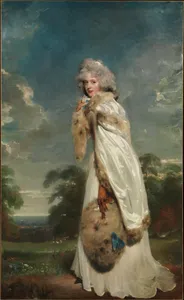
Elizabeth Farren (born about 1759, died 1829), Later Countess of Derby
Sir Thomas Lawrence
1790
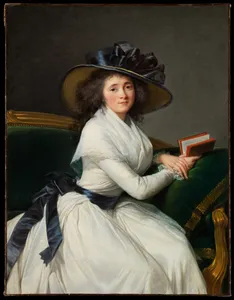
Comtesse de la Châtre (Marie Charlotte Louise Perrette Aglaé Bontemps, 1762–1848)
Elisabeth Louise Vigée Le Brun
1789
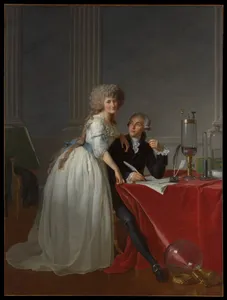
Antoine Laurent Lavoisier (1743–1794) and Marie Anne Lavoisier (Marie Anne Pierrette Paulze, 1758–1836)
Jacques Louis David
1788
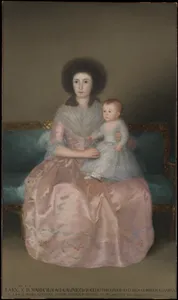
Condesa de Altamira and Her Daughter, María Agustina
Goya (Francisco de Goya y Lucientes)
1787–88
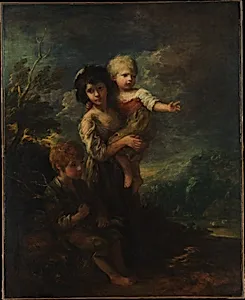
Cottage Children (The Wood Gatherers)
Thomas Gainsborough
1787
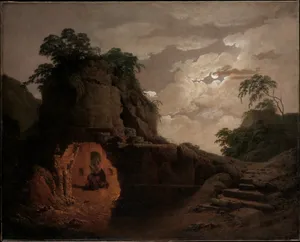
Virgil's Tomb by Moonlight, with Silius Italicus Declaiming
Joseph Wright (Wright of Derby)
1779
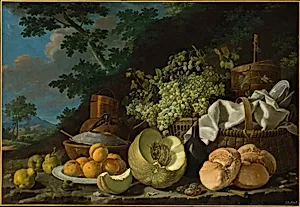
The Afternoon Meal (La Merienda)
Luis Meléndez
ca. 1772
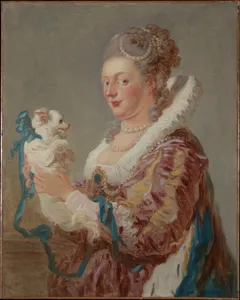
Marie Emilie Coignet de Courson (1716–1806) with a Dog
Jean Honoré Fragonard
ca. 1769
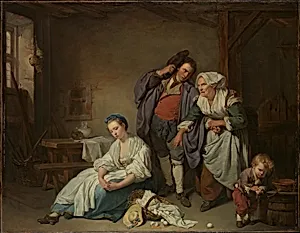
Broken Eggs
Jean-Baptiste Greuze
1756
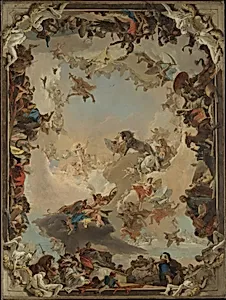
Allegory of the Planets and Continents
Giovanni Battista Tiepolo
1752
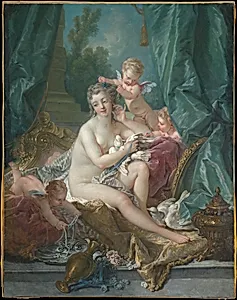
The Toilette of Venus
François Boucher
1751
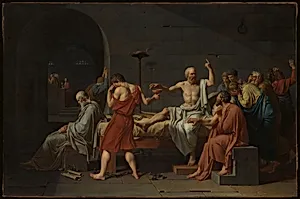
The Death of Socrates
Jacques Louis David
1787
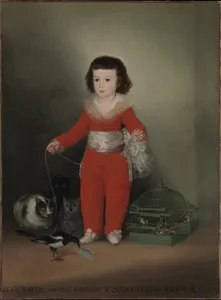
Manuel Osorio Manrique de Zuñiga (1784–1792)
Goya (Francisco de Goya y Lucientes)
1787–88

Self-Portrait with Two Pupils, Marie Gabrielle Capet (1761–1818) and Marie Marguerite Carreaux de Rosemond (died 1788)
Adélaïde Labille-Guiard
1785
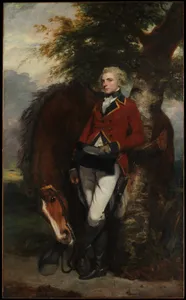
Captain George K. H. Coussmaker (1759–1801)
Sir Joshua Reynolds
1782
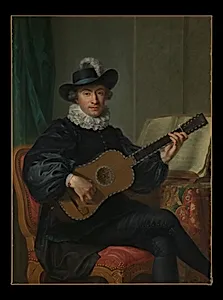
Portrait of Monsieur Aublet
Guillaume Voiriot
ca. 1782
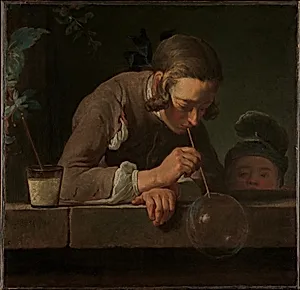
Soap Bubbles
Jean Siméon Chardin
ca. 1733–34
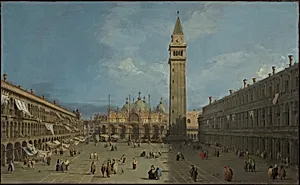
Piazza San Marco
Canaletto (Giovanni Antonio Canal)
late 1720s
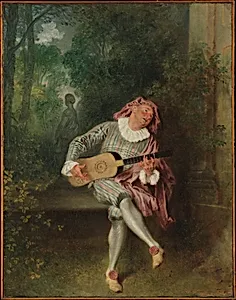
Mezzetin
Antoine Watteau
ca. 1718–20
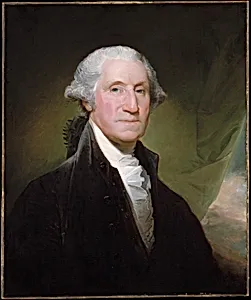
George Washington
Gilbert Stuart
begun 1795
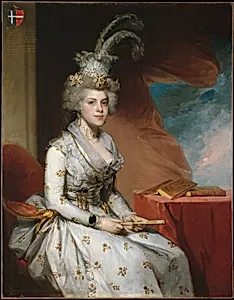
Matilda Stoughton de Jaudenes
Gilbert Stuart
1794
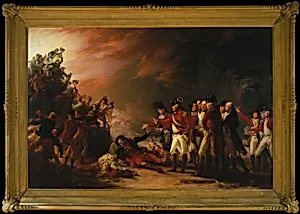
The Sortie Made by the Garrison of Gibraltar
John Trumbull
1789
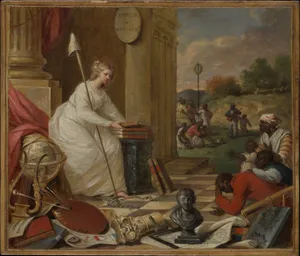
Study For Liberty Displaying the Arts and Sciences, or The Genius of America Encouraging the Emancipation of the Blacks
Samuel Jennings
ca. 1791–92
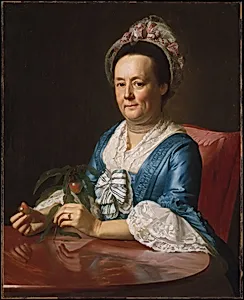
Mrs. John Winthrop
John Singleton Copley
1773
Explore Other Periods
Ancient Egypt
3000 BCE - 30 BCE
Ancient Egyptian art spans over three millennia, representing one of humanity's longest continuous artistic traditions. From the pyramids of Giza to the treasures of Tutankhamun's tomb, Egyptian artists created works of extraordinary beauty and symbolic power that served religious, funerary, and political purposes.
Greek & Roman
800 BCE - 476 CE
Classical antiquity produced the artistic ideals that shaped Western civilization. Greek artists pioneered naturalistic human representation, while Romans excelled in portraiture, engineering, and monumental architecture. Together, they established standards of beauty, proportion, and artistic excellence that artists would return to for millennia.
Medieval
500-1400
Medieval art encompasses nearly a thousand years of artistic production, from the fall of Rome to the dawn of the Renaissance. This period saw the development of Byzantine mosaics, Romanesque monasteries, Gothic cathedrals, and illuminated manuscripts—all serving primarily religious purposes with a focus on spiritual rather than naturalistic representation.