Ctrl K
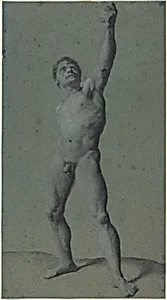
1758–1823
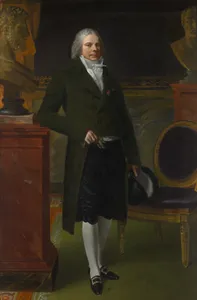
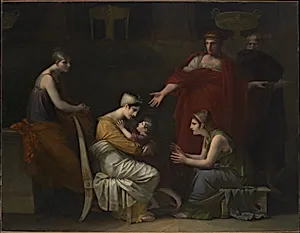
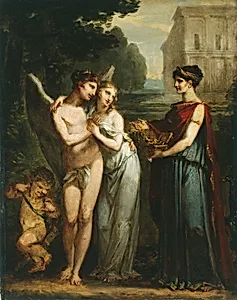
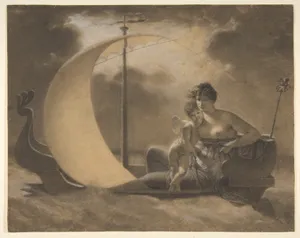
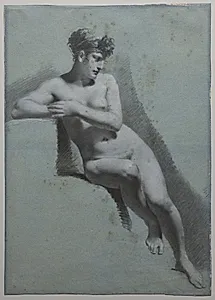
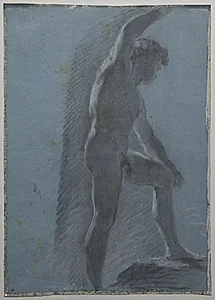
Pierre Paul Prud'hon (1758–1823) was a French painter and draughtsman whose dreamy, sensuous art occupied a singular position between the Neoclassicism and Romanticism that competed for dominance in French painting around 1800. Born in Cluny in Burgundy, he received his early artistic training at the Dijon Academy before winning the Prix de Rome of the Estates of Burgundy, which allowed him to spend the years 1784 to 1788 in Italy. In Rome he absorbed the art of the Renaissance masters, but it was his deep study of Leonardo da Vinci's soft modeling technique — the sfumato of shadowed forms emerging from atmospheric darkness — that proved most decisive for his mature style.
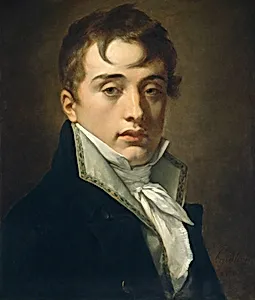
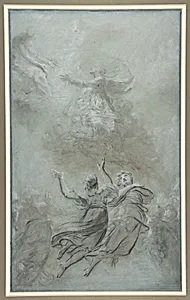
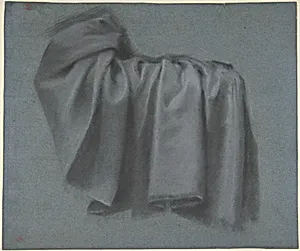
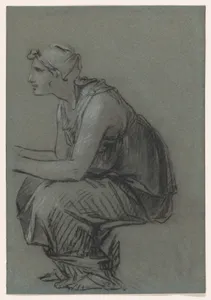
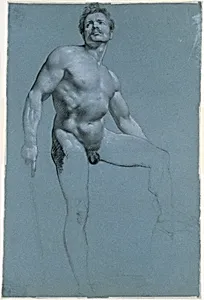
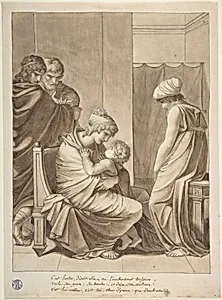
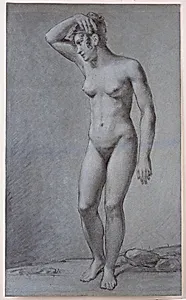
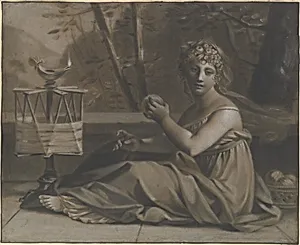
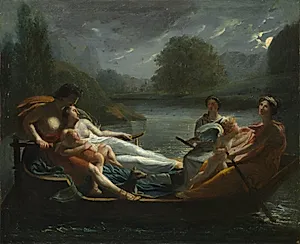
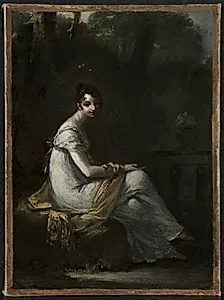
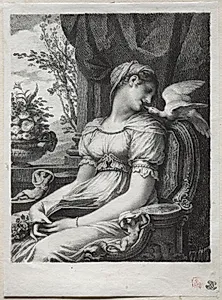
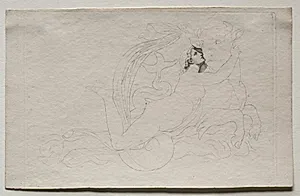
Prud'hon developed a painterly language characterized by soft, blended contours, a warm chiaroscuro, and figures of refined, melancholy grace that set him apart from the harder, more didactic neoclassicism of Jacques-Louis David. His allegorical compositions, portraits, and mythological scenes are suffused with a poetic tenderness that anticipates the emotional temper of French Romanticism. He enjoyed the favor of the Napoleonic court, executing decorative schemes for the Empress Josephine and later Marie-Louise, and was appointed drawing master to several members of the imperial family.
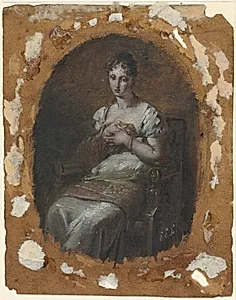
Among his most celebrated works is Justice and Divine Vengeance Pursuing Crime (1808, Louvre), a dramatic nocturnal allegory that showcases his mastery of dramatic lighting and his ability to invest classical subjects with genuine emotional urgency. His portraits, including those of Josephine, combine psychological sensitivity with a luminous delicacy that places him among the finest portraitists of his era.
Prud'hon's art was admired by the Romantics who followed him, particularly Eugène Delacroix, who recognized in him a kindred spirit. His legacy lies in the unique bridge he built between Enlightenment classicism and the new emotional and sensory concerns of the nineteenth century, making him one of the most subtly original French painters of his age.