
Mannerism
1520-1600
Mannerism was a style that emerged in the later years of the Italian High Renaissance, characterized by elongated forms, unusual spatial compositions, and sophisticated, often unsettling imagery.
Historical Context
Mannerism developed as artists sought to move beyond the balanced perfection of High Renaissance masters. The Sack of Rome in 1527 and religious turmoil contributed to art that expressed anxiety and spiritual tension.
Key Characteristics
- •Elongated and twisted figures
- •Unusual and ambiguous spatial relationships
- •Vivid, sometimes harsh colors
- •Complex and crowded compositions
- •Intellectual and artificial style
- •Emotional tension and ambiguity
Notable Mannerism Artists

Goltzius, Hendrick
1558–1617

Romano, Giulio
1499–1546

Primaticcio, Francesco
1504–1570
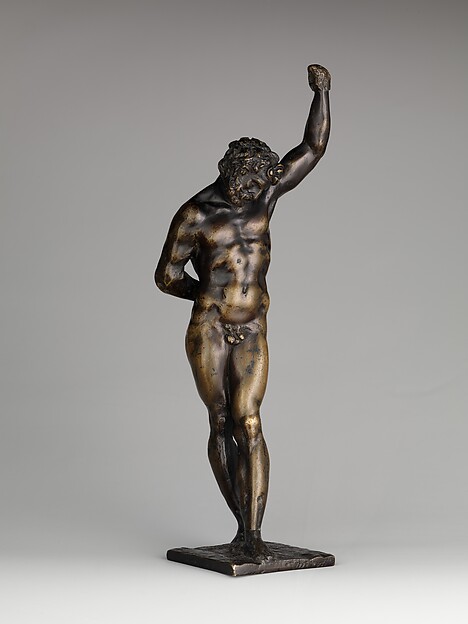
Rosso Fiorentino
1494–1540

Parmigianino
1503–1540

Giambologna
1529–1608

Zuccaro, Taddeo
1529–1566

Beccafumi, Domenico
1486–1551

Zuccaro, Federico
1536–1614

Ligozzi, Jacopo
1547–1627

Passarotti, Bartolomeo
1529–1592

Tintoretto, Jacopo
1519–1594

Cellini, Benvenuto
1500–1571

Allori, Alessandro
1535–1607

Baglione, Giovanni
1556–1643

Verhaecht, Tobias
1550–1631

Heemskerck, Maerten van
1498–1574

Ketel, Cornelis
1548–1616

Naldini, Giovanni Battista
1530–1591

Cesi, Bartolomeo
1556–1629

Cesari, Giuseppe
1568–1640

Sustris, Lambert
1510–1570

India, Bernardino
1528–1590

Bronzino, Agnolo
1503–1572
Mannerism Artworks
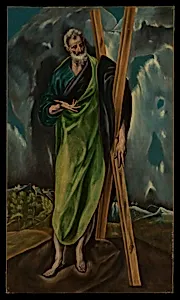
Saint Andrew
El Greco
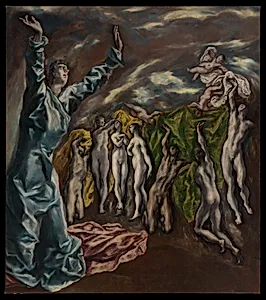
The Vision of Saint John
El Greco (Domenikos Theotokopoulos)
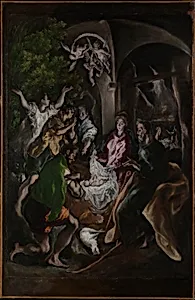
The Adoration of the Shepherds
El Greco (Domenikos Theotokopoulos)
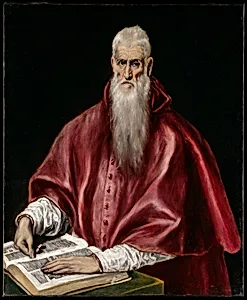
Saint Jerome as Scholar
El Greco (Domenikos Theotokopoulos)
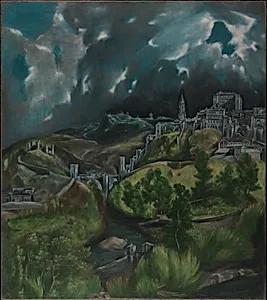
View of Toledo
El Greco (Domenikos Theotokopoulos)
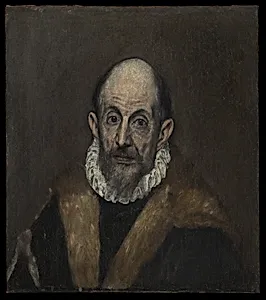
Portrait of an Old Man
El Greco (Domenikos Theotokopoulos)
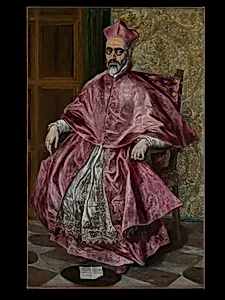
Cardinal Fernando Niño de Guevara (1541–1609)
El Greco (Domenikos Theotokopoulos)
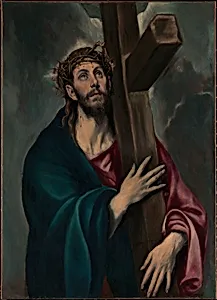
Christ Carrying the Cross
El Greco (Domenikos Theotokopoulos)
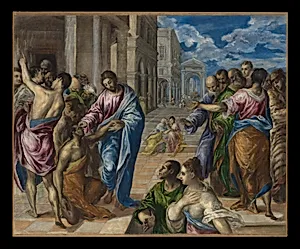
Christ Healing the Blind
El Greco (Domenikos Theotokopoulos)
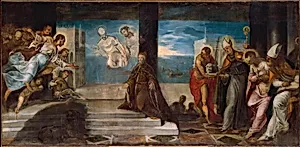
Doge Alvise Mocenigo (1507–1577) Presented to the Redeemer
Jacopo Tintoretto (Jacopo Robusti)
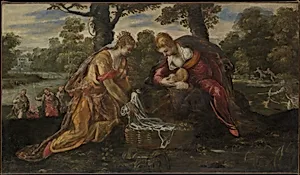
The Finding of Moses
Jacopo Tintoretto (Jacopo Robusti)
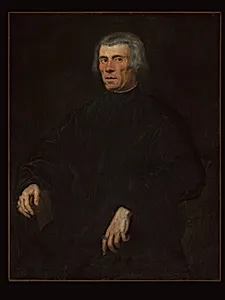
Portrait of a Man
Jacopo Tintoretto (Jacopo Robusti)
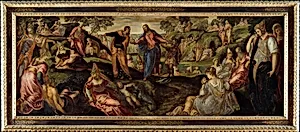
The Miracle of the Loaves and Fishes
Jacopo Tintoretto (Jacopo Robusti)
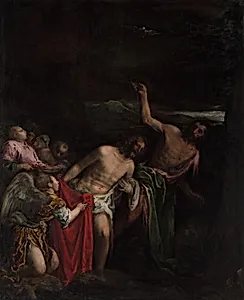
The Baptism of Christ
Jacopo Bassano (Jacopo da Ponte)
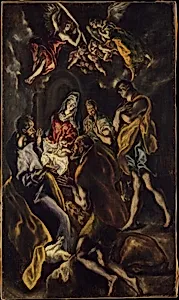
The Adoration of the Shepherds
El Greco (Domenikos Theotokopoulos) and Workshop

Cosimo I de' Medici (1519–1574)
Bronzino
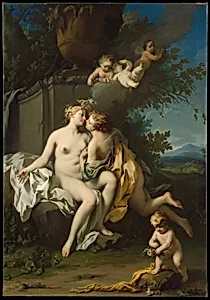
Flora and Zephyr
Jacopo Amigoni

Allegory of Avarice
Jacopo Ligozzi
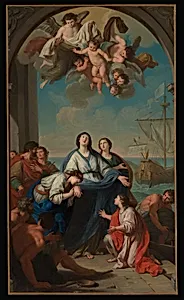
The Departure of Saints Paula and Eustochium for the Holy Land
Giuseppe Bottani
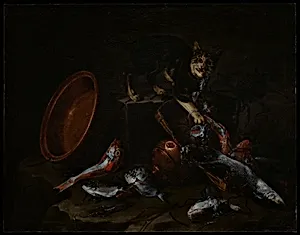
A Cat Stealing Fish
Giuseppe Recco
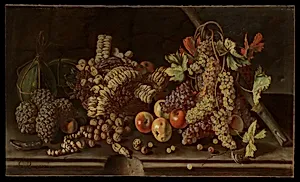
Still Life of Fruit and Nuts
Giuseppe Ruoppolo
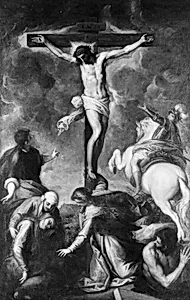
The Crucifixion
Jacopo Palma the Younger

Bathsheba at Her Bath
Giuseppe Bartolomeo Chiari
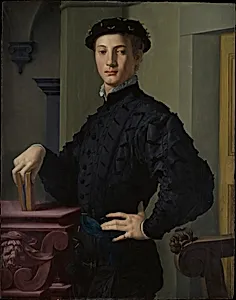
Portrait of a Young Man
Bronzino (Agnolo di Cosimo di Mariano)