
Post-Impressionism
1886-1905
Post-Impressionism was a predominantly French art movement that developed from Impressionism, emphasizing symbolic content, formal order, and structure.
Historical Context
Post-Impressionism emerged in the 1880s as artists began to reject the limitations of Impressionism. While retaining the bright colors and loose brushwork, they emphasized geometric forms, distortion for expressive effect, and symbolic content.
Key Characteristics
- •Emphasis on abstract qualities and symbolic content
- •Use of vivid colors and geometric forms
- •Personal expression over naturalistic depiction
- •Thick application of paint and distinctive brush strokes
- •Experimentation with form and color
Notable Post-Impressionism Artists


Post-Impressionism Artworks
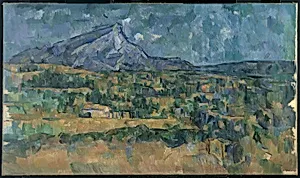
Mont Sainte-Victoire
Paul Cézanne
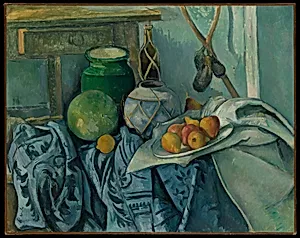
Still Life with a Ginger Jar and Eggplants
Paul Cézanne
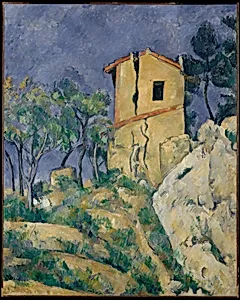
The House with the Cracked Walls
Paul Cézanne
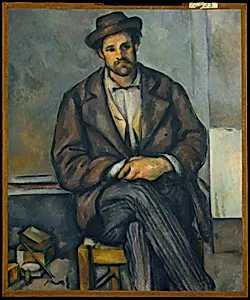
Seated Peasant
Paul Cézanne
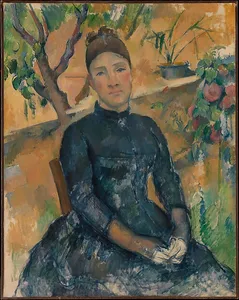
Madame Cézanne (Hortense Fiquet, 1850–1922) in the Conservatory
Paul Cézanne
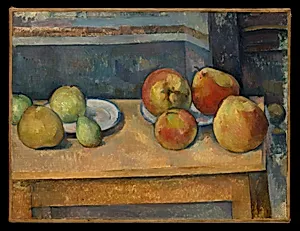
Still Life with Apples and Pears
Paul Cézanne
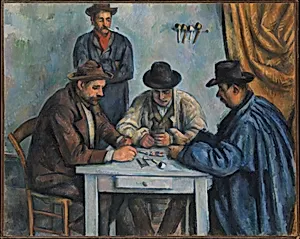
The Card Players
Paul Cézanne
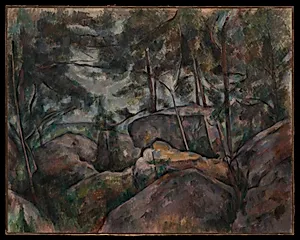
Rocks at Fontainebleau
Paul Cézanne
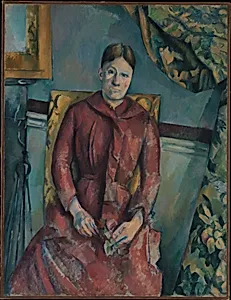
Madame Cézanne (Hortense Fiquet, 1850–1922) in a Red Dress
Paul Cézanne
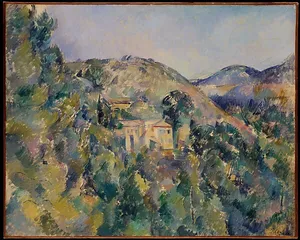
View of the Domaine Saint-Joseph
Paul Cézanne

Gardanne
Paul Cézanne
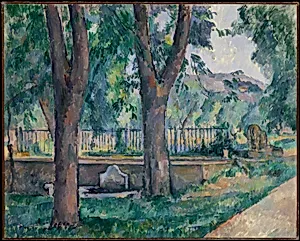
The Pool at Jas de Bouffan
Paul Cézanne
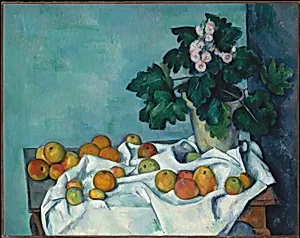
Still Life with Apples and a Pot of Primroses
Paul Cézanne
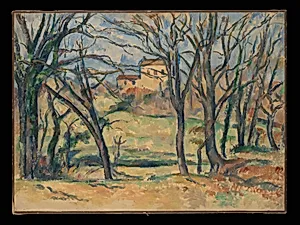
Trees and Houses Near the Jas de Bouffan
Paul Cézanne
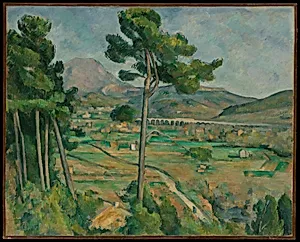
Mont Sainte-Victoire and the Viaduct of the Arc River Valley
Paul Cézanne
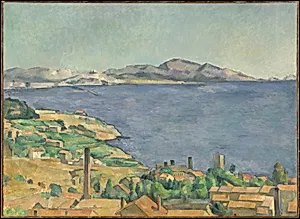
The Gulf of Marseilles Seen from L'Estaque
Paul Cézanne
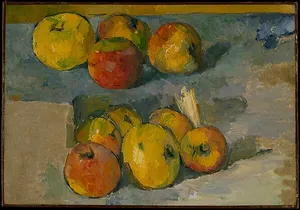
Apples
Paul Cézanne
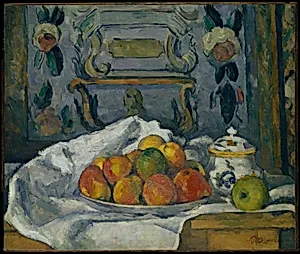
Dish of Apples
Paul Cézanne
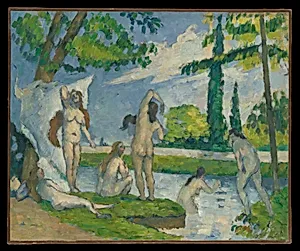
Bathers
Paul Cézanne
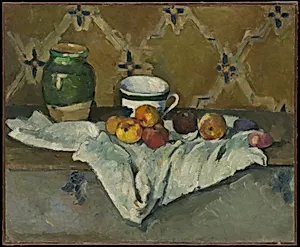
Still Life with Jar, Cup, and Apples
Paul Cézanne
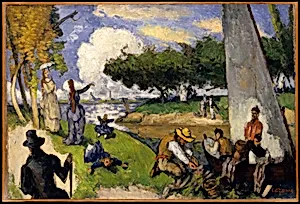
The Fishermen (Fantastic Scene)
Paul Cézanne
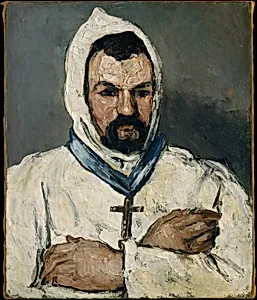
Antoine Dominique Sauveur Aubert (born 1817), the Artist's Uncle, as a Monk
Paul Cézanne
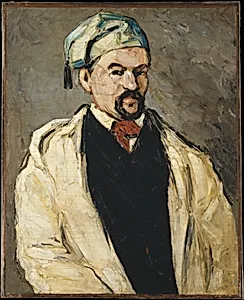
Antoine Dominique Sauveur Aubert (born 1817), the Artist's Uncle
Paul Cézanne
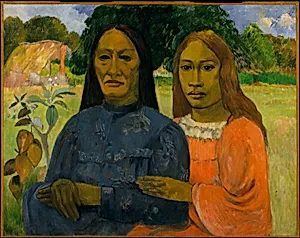
Two Women
Paul Gauguin