
Naturalism
1820s-1890s
Naturalism is art that shows people, animals, and landscapes as they really look, without idealizing them. As a movement it belongs to the 19th century, when painters left the studio to work from nature and from the everyday life of the countryside.
Historical Context
Naturalism grew out of landscape painting. In the 1820s John Constable in England, and from the 1830s the Barbizon painters in France (Théodore Rousseau, Camille Corot, Charles-François Daubigny), began to paint the countryside as they saw it, not as an ideal classical scene. In 1863 the critic Jules-Antoine Castagnary gave the "naturalist school" its name. In the 1870s and 1880s Jules Bastien-Lepage and his followers brought the same close observation to pictures of country people, helped by photography and by the novels of Émile Zola; in the Netherlands the Hague School (Anton Mauve, Jozef Israëls) worked in the same spirit. Naturalism overlaps with Realism: Realism is mostly about what is painted (ordinary modern life), Naturalism about how it is painted (as close to the look of the real thing as possible). In a wider sense, "naturalistic art" means any art that imitates the appearance of the real world, from ancient Greek sculpture to Renaissance portraits.
Key Characteristics
- •Close observation of nature: real light, weather, and color
- •Painting outdoors, directly in front of the subject
- •Country life and farm work shown without idealizing
- •Accurate, detailed drawing of figures, faces, and animals
- •Ordinary people as the main subject, often at full scale
- •Quiet, earthy colors taken from the real landscape
Notable Naturalism Artists
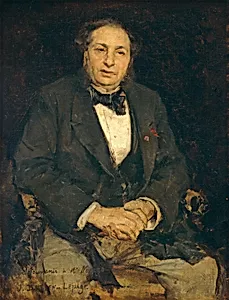
Jules Bastien-Lepage
1848–1884
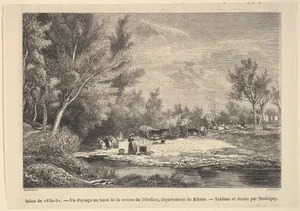
Charles-François Daubigny
1817–1878
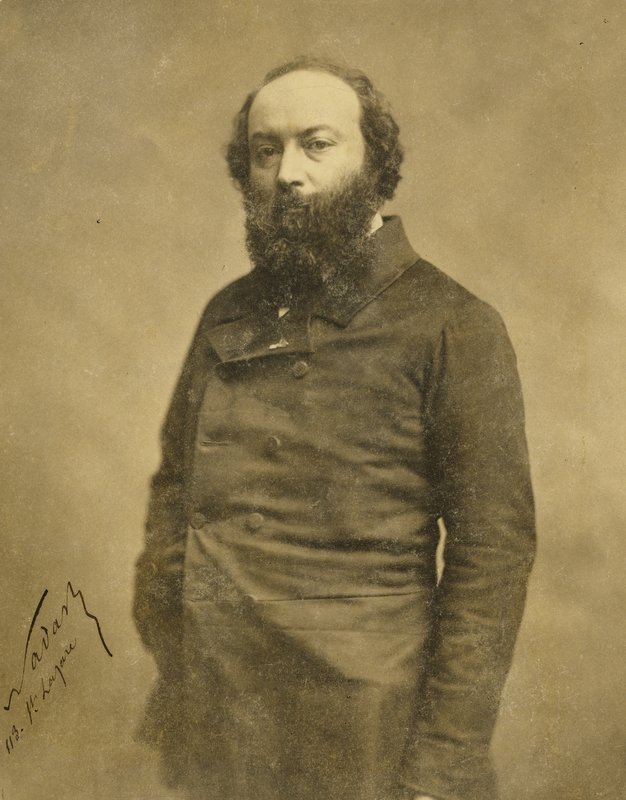
Théodore Rousseau
1812–1867
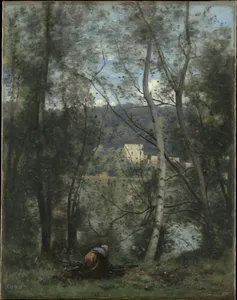
Camille Corot
1796–1875
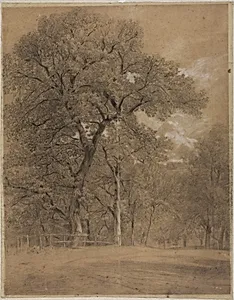
Constant Troyon
1810–1865
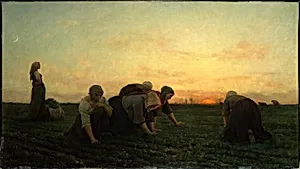
Jules Breton
1827–1906

Rosa Bonheur
1822–1899
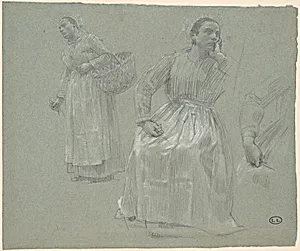
Léon Augustin Lhermitte
1844–1925
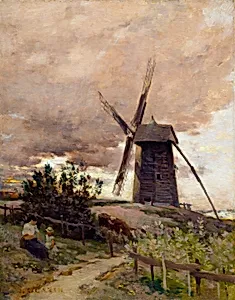
Jean-Charles Cazin
1841–1901
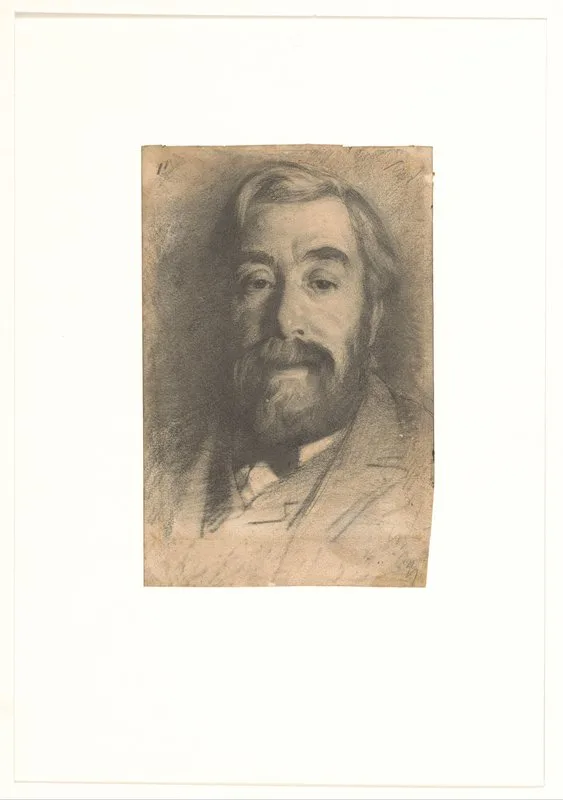
Anton Mauve
1838–1888
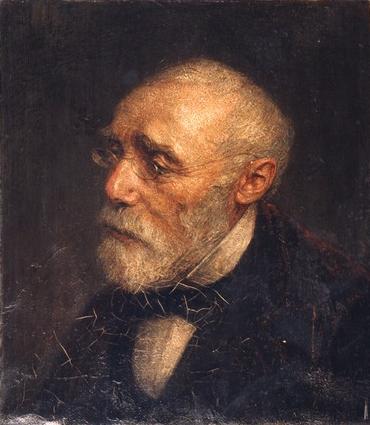
Jozef Israëls
1824–1911
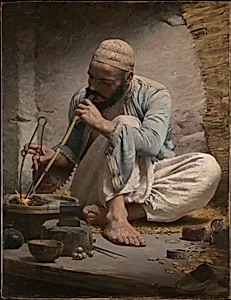
Charles Sprague Pearce
1851–1914
Naturalism Artworks
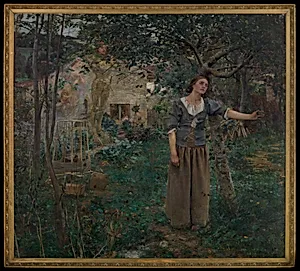
Joan of Arc
Jules Bastien-Lepage
The Weeders
Jules Breton
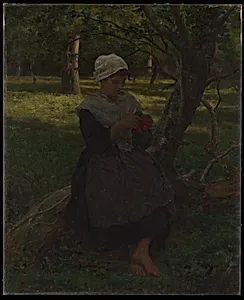
A Peasant Girl Knitting
Jules Breton
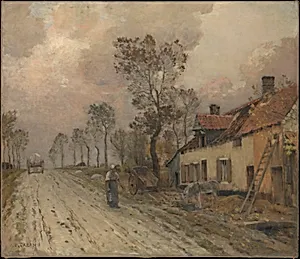
The Route Nationale at Samer
Jean-Charles Cazin
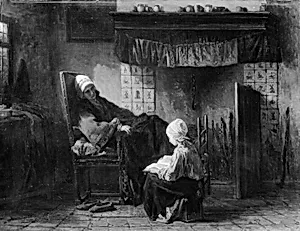
Grandmother's Treasure
Jozef Israëls
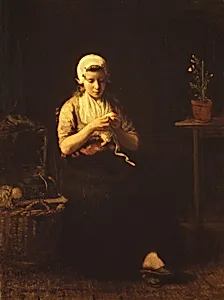
Expectation
Jozef Israëls
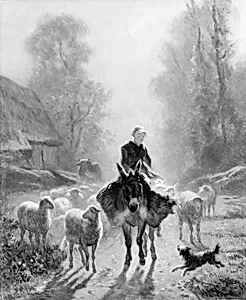
Going to Market
Constant Troyon
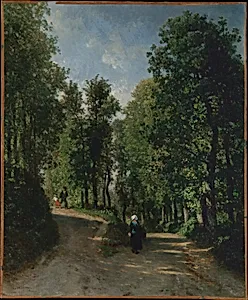
Road in the Woods
Constant Troyon
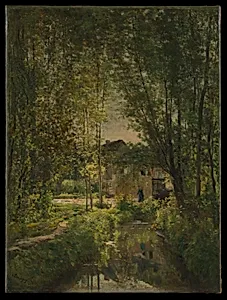
Landscape with a Sunlit Stream
Charles-François Daubigny
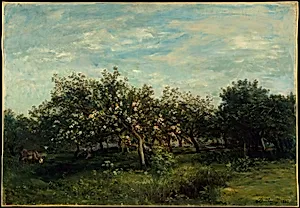
Apple Blossoms
Charles-François Daubigny
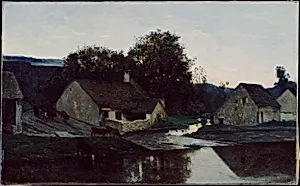
The Hamlet of Optevoz
Charles-François Daubigny
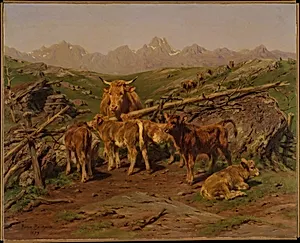
Weaning the Calves
Rosa Bonheur
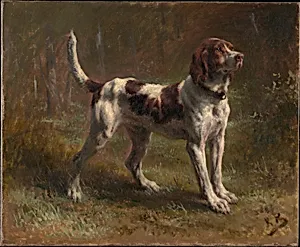
A Limier Briquet Hound
Rosa Bonheur

The Horse Fair
Rosa Bonheur
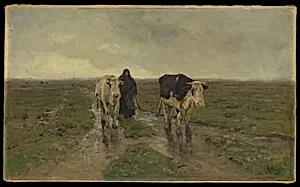
Changing Pasture
Anton Mauve
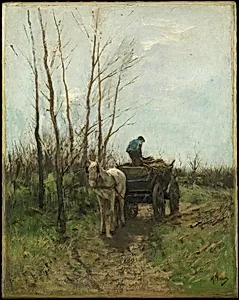
Gathering Wood
Anton Mauve
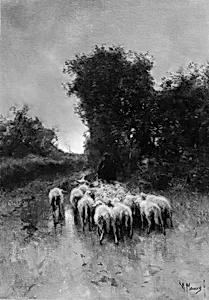
Twilight
Anton Mauve
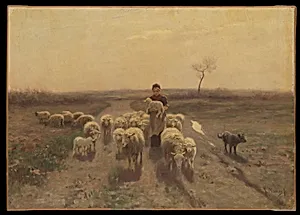
A Shepherdess and Her Flock
Anton Mauve
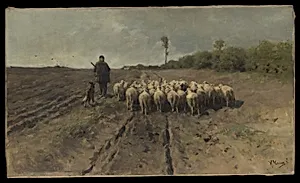
The Return to the Fold
Anton Mauve
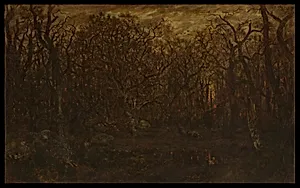
The Forest in Winter at Sunset
Théodore Rousseau
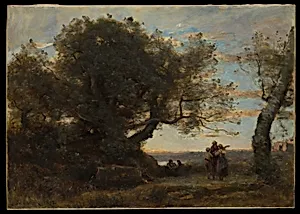
The Gypsies
Camille Corot
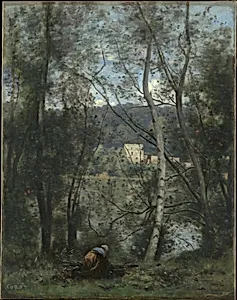
A Woman Gathering Faggots at Ville-d'Avray
Camille Corot
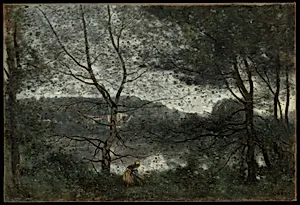
Ville-d'Avray
Camille Corot
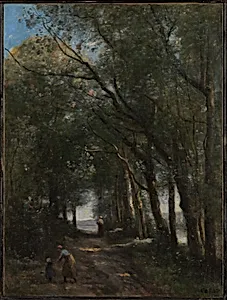
A Lane through the Trees
Camille Corot