
Arts of Asia — Page 11
9,604 artworks · Art Institute of Chicago
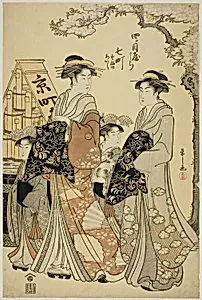
Nanamachi of the Yotsumeya with Attendants Sumano and Akashi
Chôbunsai Eishi, c. 1787
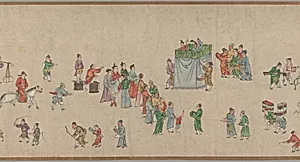
Street Scenes in Times of Peace 太平風會圖
Zhu Yu, Yuan dynasty (1279–1368), 14th century 元朝
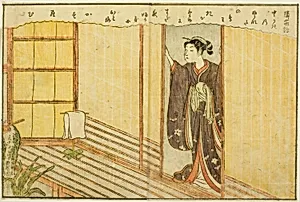
Double-page Illustration from Vol. 2 of "Picture Book of Spring Brocades (Ehon haru no nishiki)"
Suzuki Harunobu, 1771
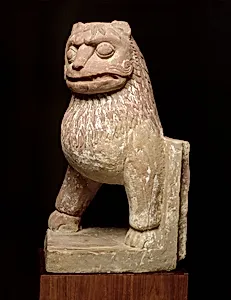
Lion Protome, probably for a Throne
Unknown, c. 2nd century
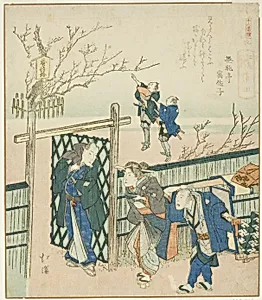
Kamata, from the series "A Record of a Journey to Enoshima, a Set of Sixteen (Enoshima kiko, jurokuban tsuzuki)"
Totoya Hokkei, 1833
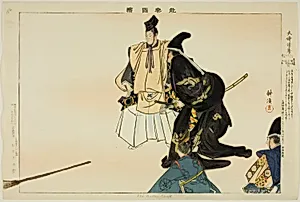
Daibutsu-kuyo, from the series "Pictures of No Performances (Nogaku Zue)"
Tsukioka Kôgyo, 1898

The Waitress Osen of the Kagiya Teahouse Holding a Fan
Suzuki Harunobu, c. 1768/69
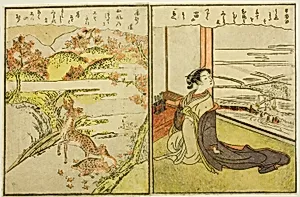
Pages from Vol. 1 and 2 of "Picture Book of Spring Brocades (Ehon haru no nishiki)"
Suzuki Harunobu, 1771
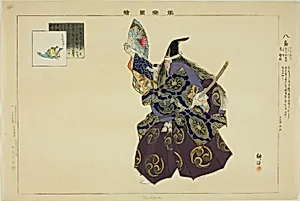
Yashima, from the series "Pictures of No Performances (Nogaku Zue)"
Tsukioka Kôgyo, 1898
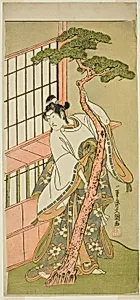
The Actor Ichikawa Monnosuke II as Tsunewaka-maru in the Play Iro Moyo Aoyagi Soga, Performed at the Nakamura Theater in the Second Month, 1775
Ippitsusai Buncho, c. 1775
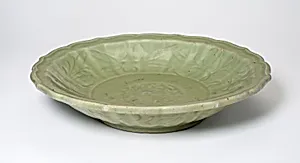
Dish with Flowers and Foliate Rim
Unknown, Ming Dynasty (1368–1644)
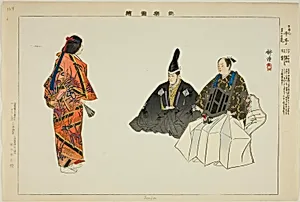
Senju, from the series "Pictures of No Performances (Nogaku Zue)"
Tsukioka Kôgyo, 1898
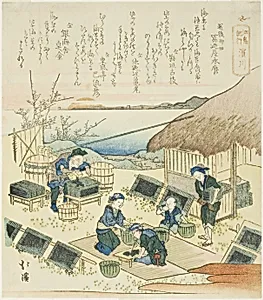
Hamagawa, from the series "A Record of a Journey to Enoshima (Enoshima kiko)"
Totoya Hokkei, 1833
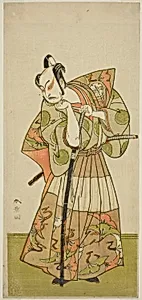
The Actor Nakamura Juzo II in an Unidentified Role
Katsukawa Shunsho, c. 1774
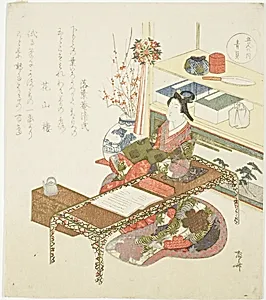
Blue Shell (Aogai), from the series "Five Colors (Goshiki no uchi)"
Ryuryukyo Shinsai, c. 1820
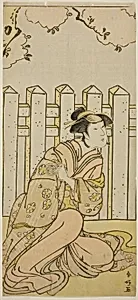
The Actor Osagawa Tsuneyo II as Onoe in the Play Haru no Nishiki Date-zome Soga, Performed at the Nakamura Theater in the Fourth Month, 1790
Katsukawa Shunkо̄, c. 1790
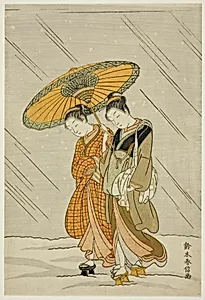
Snow on the Way Back from the Public Bath
Suzuki Harunobu, c. 1766/67
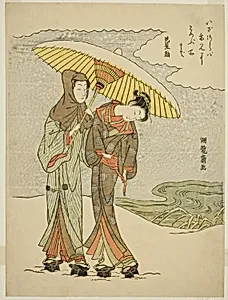
Young Couple Under an Umbrella in the Snow
Isoda Koryusai, c. 1770
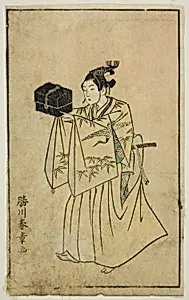
An Actor as Senzai, from "A Picture Book of Stage Fans (Ehon butai ogi)"
Katsukawa Shunsho, 1770
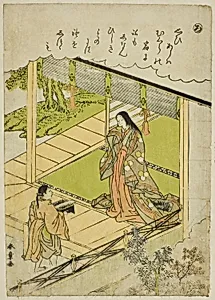
"Ro": Seaweed, from the series "Tales of Ise in Fashionable Brocade Pictures (Furyu nishiki-e Ise monogatari)"
Katsukawa Shunsho, c. 1772/73
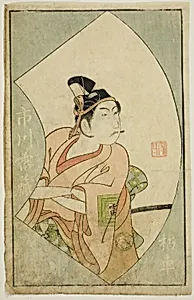
The Actor Ichikawa Raizo II, from "A Picture Book of Stage Fans (Ehon butai ogi)"
Ippitsusai Buncho, 1770
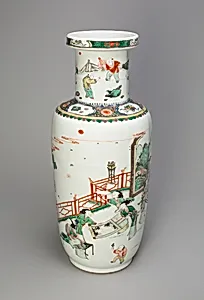
Baluster Vase with Women Performing the "Four Accomplishments" and Children in a Garden
Unknown, Qing dynasty (1644–1911), Kangxi period (1662–1722)
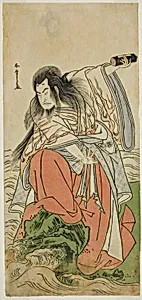
The Actor Onoe Matsusuke I as Retired Emperor Sutoku in the Play Kitekaeru Nishiki no Wakayaka, Performed at the Nakamura Theater in the Eleventh Month, 1780
Katsukawa Shunsho, c. 1780
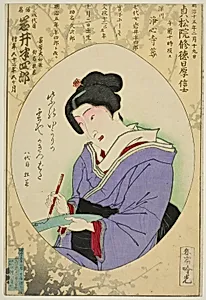
Memorial portrait of the actor Iwai Hanshiro VIII
Adachi Ginko, 1882
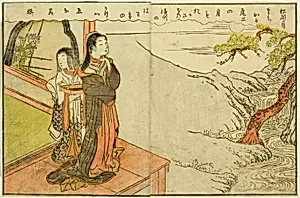
Double-page Illustration from Vol. 2 of "Picture Book of Spring Brocades (Ehon haru no nishiki)"
Suzuki Harunobu, 1771
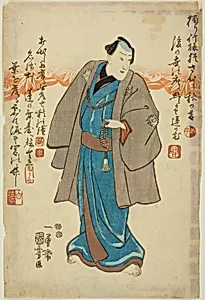
Memorial portrait of the actor Ichimura Takenojo V
Utagawa Kuniyoshi, 1851
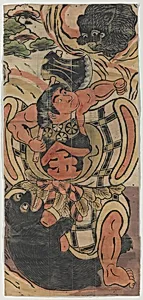
Banner Depicting Kintaro Battling Bears
Unknown, 18th century
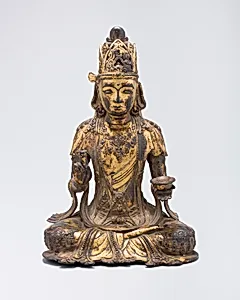
Guanyin (Avalokiteshvara) Holding Lotus-Form Cup
Unknown, Yuan dynasty (1279–1368), 14th century
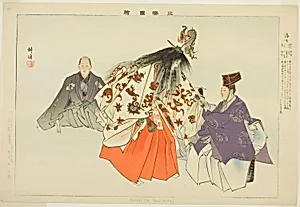
Ama, from the series "Pictures of No Performances (Nogaku Zue)"
Tsukioka Kôgyo, 1898
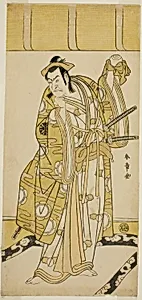
The Actor Nakamura Nakazo I as Nagao Terutora in the Play Kuruma-gakari Tekuda no Gumbai, Performed at the Ichimura Theater in the Eleventh Month, 1783
Katsukawa Shunsho, c. 1783
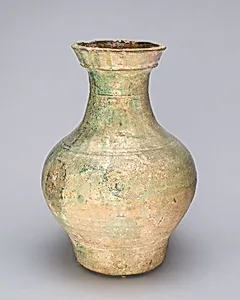
Jar
Unknown, Han dynasty (206 B.C.–A.D. 220)
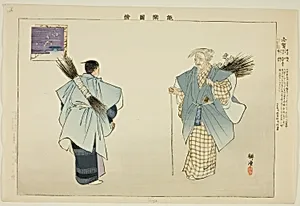
Shiga, from the series "Pictures of No Performances (Nogaku Zue)"
Tsukioka Kôgyo, 1898
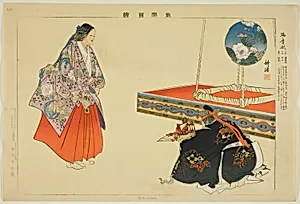
Yokihime, from the series "Pictures of No Performances (Nogaku Zue)"
Tsukioka Kôgyo, 1898
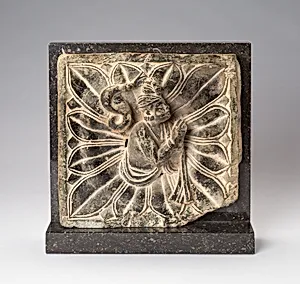
Serpent King (Nagaraja) Emerging from a Lotus
Unknown, 2nd century
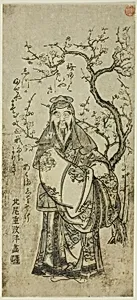
Sugawara Michizane crossing to China (Toto Tenjin)
Kitao Shigemasa, c. 1770s
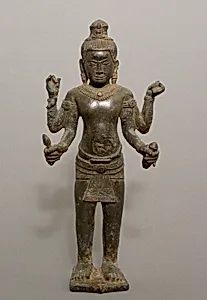
Bodhisattva Avalokiteshvara
Khmer, Angkor period, late 12th–early 13th century
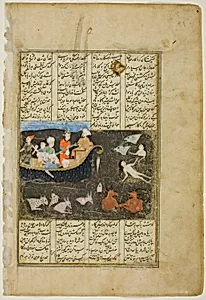
Kay Khosrow Crosses the Sea of Zareh on His Way to China, a scene from the Shahnama of Firdausi
Unknown, Safavid dynasty (1501–1722), about 1550
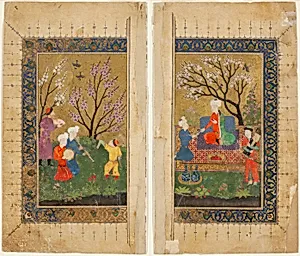
Garden Scene
Islamic, Timurid dynasty (ca. 1370–1507), mid–15th century
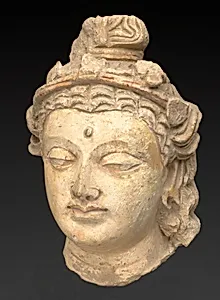
Head of a Bodhisattva
Unknown, Kushan period, About 3rd/5th century
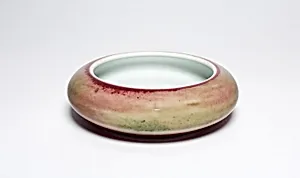
Brush Washer
Unknown, Qing dynasty (1644–1911), Kangxi reign mark and period (1662–1722)
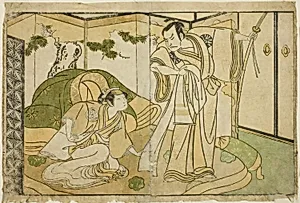
The Actors Nakamura Nakazo I as Taira no Kiyomori (right), and Yamashita Kinsaku II as Tokiwa Gozen (left), in the Play Nue no Mori Ichiyo no Mato, Performed at the Nakamura Theater in the Eleventh Month, 1770
Katsukawa Shunsho, c. 1772
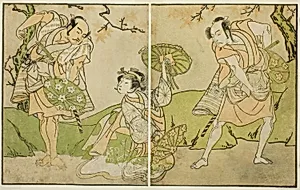
The Actors Ichikawa Somegoro (right), Segawa Kikunojo II (center), and Bando Sampachi (left), in Unidentified Roles in the Play Myoto-giku Izu no Kisewata, Performed at the Ichimura Theater in the Eleventh Month, 1770
Katsukawa Shunsho, c. 1772
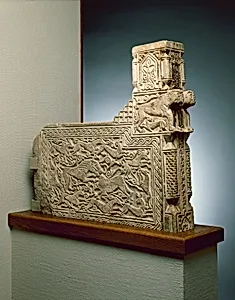
Architectural Fragment
Islamic, Ilkhanid dynasty (1256–1353), 13th century
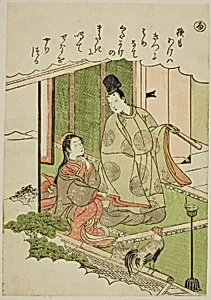
"Ru": Northern Province, from the series "Tales of Ise in Fashionable Brocade Pictures (Furyu nishiki-e Ise monogatari)"
Katsukawa Shunsho, c. 1772/73
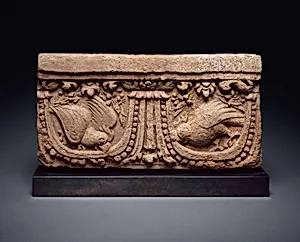
Architectural Panel with Parrots
Unknown, 9th/10th century
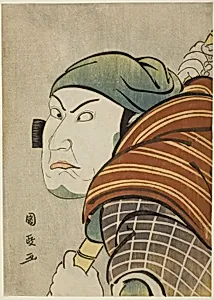
The actor Kataoka Nizaemon Vll as Iyo no Taro in the play "Seiwa Nidai Oyose Genji," performed at the Miyako Theater in the eleventh month, 1796
Utagawa Kunimasa, 1796
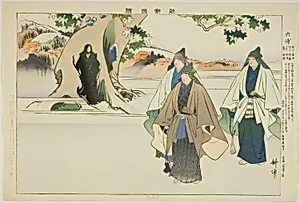
Roppo, from the series "Pictures of No Performances (Nogaku Zue)"
Tsukioka Kôgyo, 1898
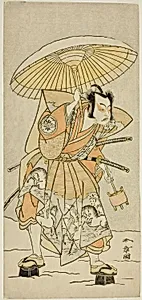
The Actor Nakamura Juzo II as Kajiwara Genta Kagetoki in the Play Izu-goyomi Shibai no Ganjitsu, Performed at the Morita Theater in the Eleventh Month, 1772
Katsukawa Shunsho, c. 1772