
Arts of Asia — Page 18
9,604 artworks · Art Institute of Chicago
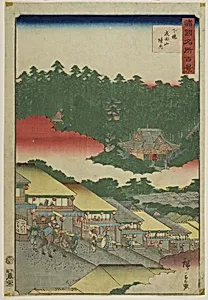
The Compound on Mount Narita, Shimosa Province (Shimosa Naritasan keidai) from the series “One Hundred Famous Views in the Various Provinces (Shokoku meisho hyakkei)”
Utagawa Hiroshige II (Shigenobu), 1859
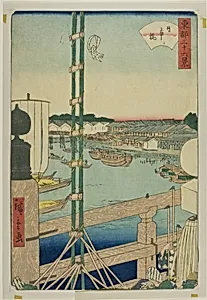
Nihonbashi from the series Thirty-six Views of the Eastern Capital (Toto sanjurokkei)
Utagawa Hiroshige II (Shigenobu), c. 1853
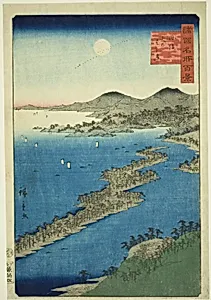
Amanohashidate in Tango Province (Tango Amanohashidate), from the series "One Hundred Famous Views in the Various Provinces (Shokoku meisho hyakkei)"
Utagawa Hiroshige II (Shigenobu), 1859
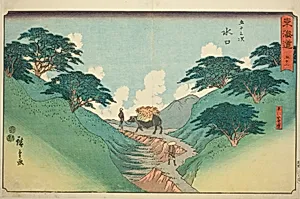
Minakuchi: The Beautiful Pine Trees at Mount Hiramatsu (Minakuchi, Hiramatsuyama bisho)—No. 51, from the series "Fifty-three Stations of the Tokaido (Tokaido gojusan tsugi)," also known as the Reisho Tokaido
Utagawa Hiroshige, c. 1847/52
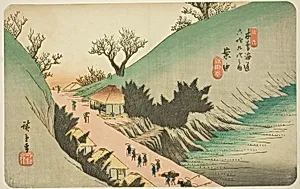
No. 16: Annaka, from the series "Sixty-nine Stations of the Kisokaido (Kisokaido rokujukyu tsugi no uchi)"
Utagawa Hiroshige, c. 1835/38
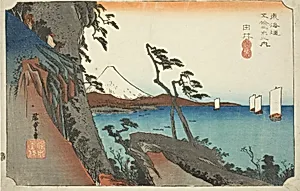
Yui: Satta Peak (Yui, Satta mine), from the series "Fifty-three Stations of the Tokaido Road (Tokaido gojusan tsugi no uchi)," also known as the Hoeido Tokaido
Utagawa Hiroshige, c. 1833/34
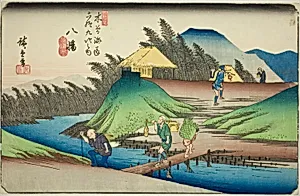
No. 25: Yawata, from the series "Sixty-nine Stations of the Kisokaido (Kisokaido rokujukyu tsugi no uchi)"
Utagawa Hiroshige, c. 1835/38
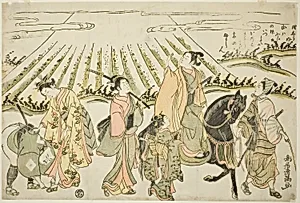
A parody of Narihira's eastern journey
Torii Kiyomitsu I, c. 1764
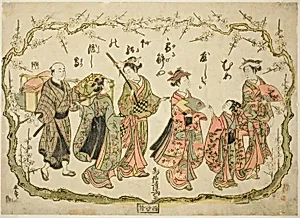
Party on their way to view plum blossoms
Torii Kiyomitsu I, c. 1764
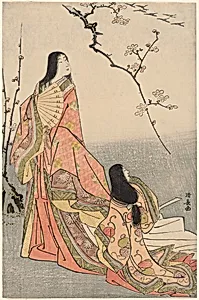
Ise watching a flock of geese, from an untitled series of court ladies
Torii Kiyonaga, c. 1785
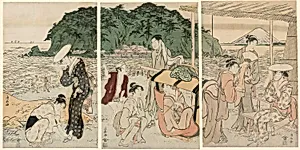
Visitors to Enoshima
Torii Kiyonaga, c. 1789
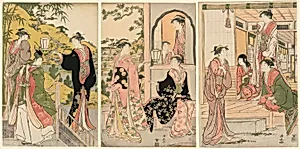
A Modern Version of Ushiwakamaru Serenading Princess Joruri
Torii Kiyonaga, c. 1785
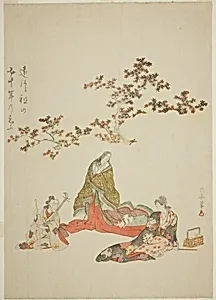
Surimono commemorating the 50th anniversary of the death of the actor Iwai Hanshiro III
Torii Kiyonaga, c. 1809

Courtesan Descending Stairs
Torii Kiyonaga, c. 1783
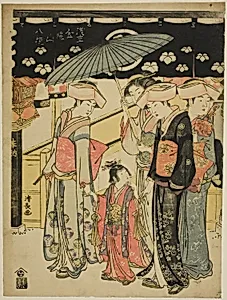
The Nakamise Shopping Street, from the series "Eight Precincts of the Kinryuzan Temple in Asakusa (Asakusa Kinryuzan hakkei)"
Torii Kiyonaga, c. 1782
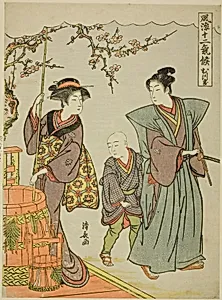
The First Month (Mutsuki), from the series "Fashionable Twelve Seasons (Furyu juni kiko)"
Torii Kiyonaga, c. 1779
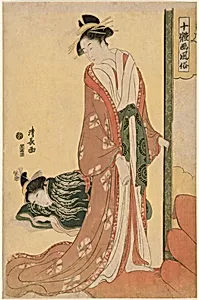
Courtesan Going to Bed, from the series "Ten Types of Beauties in Pictures (Jittai e-fuzoku)"
Torii Kiyonaga, c. 1794
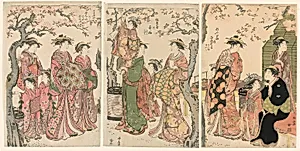
Courtesans and Their Child Attendants under Blossoming Cherry Trees
Torii Kiyonaga, 1785
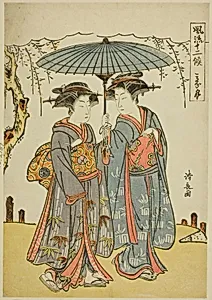
The Sixth Month (Minatsuki), from the series "Fashionable Twelve Months (Furyu juniko)"
Torii Kiyonaga, c. 1779
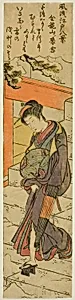
Evening Snow at Kinryuzan Temple (Kinryuzan no bosetsu), from the series "Eight Fashionable Views of Edo (Furyu Edo hakkei)"
Torii Kiyonaga, c. 1778
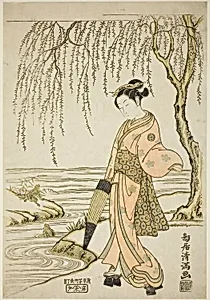
A Young Woman Watching Frogs (parody of Ono no Tôfû)
Torii Kiyomitsu I, c. 1760
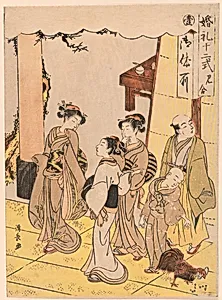
First Meeting (Miai), from the series "Twelve Stages of Matrimony (Konrei juni shiki)"
Torii Kiyonaga, c. 1775
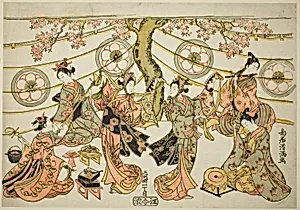
The Harugoma Dance
Torii Kiyomitsu I, c. 1764
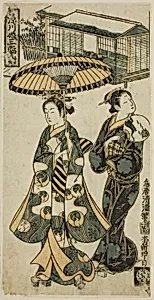
Young Lady and Matron, from "Girls of Fukagawa - A Triptych (Fukagawa musume sanpukutsui)"
Torii Kiyomitsu I, c. 1750s
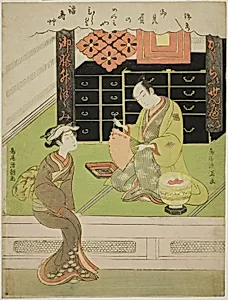
The Actor Ichikawa Komazo I in his rice cracker shop
Torii Kiyomitsu I, c. 1771

Young woman holding obi between her teeth
Torii Kiyomitsu I, c. 1760/64

Chasing Fireflies
Torii Kiyomitsu I, c. 1761
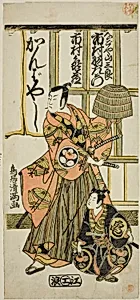
The Actors Ichimura Uzaemon IX as Nagoya Sanzaburo and Ichimura Kamezo II in the play "Higashiyama-dono Kabuki no Tsuitachi," performed at the Ichimura Theater in the eleventh month, 1766
Torii Kiyomitsu I, 1766
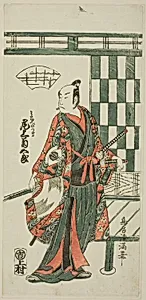
The actor Onoe Kikugoro I as Watanabe no Tsuna
Torii Kiyomitsu I, second half of 18th century

The Actor Segawa Kikunojo II
Torii Kiyomitsu I, c. 1761

Young woman entering a room
Torii Kiyomitsu I, c. 1760/64
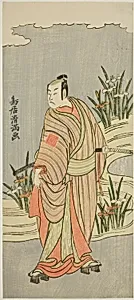
The Actor Ichikawa Yaozo II
Torii Kiyomitsu I, c. 1771
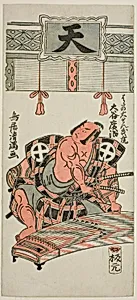
The Actor Otani Hiroji III as Hata no Daizen Taketora in the play "Kisoeuta Sakae Komachi," performed at the Ichimura Theater in the eleventh month, 1762
Torii Kiyomitsu I, 1762
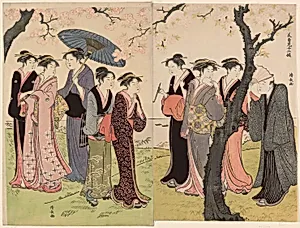
The Third Month (Sangatsu), from the series "Twelve Months in the South (Minami juni ko)"
Torii Kiyonaga, c. 1784

Parody of Kanzan and Jittoku
Torii Kiyonaga, c. 1779
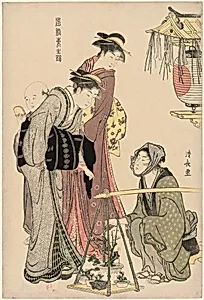
Buying Potted Plants, from the series "A Brocade of Eastern Manners (Fuzoku Azuma no nishiki)"
Torii Kiyonaga, c. 1783/84
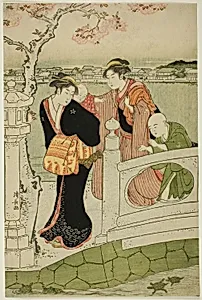
Women and Children on the Causeway at Shinobazu Pond
Torii Kiyonaga, c. 1788
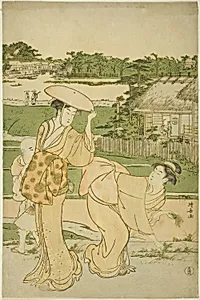
Spring Outing to Mukojima
Torii Kiyonaga, c. 1787
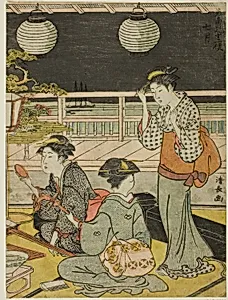
The Seventh Month (Shichigatsu), from the series "Twelve Months in the South (Minami juni ko)"
Torii Kiyonaga, c. 1783/84
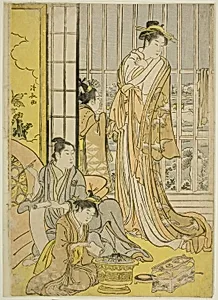
Snowy Morning in the Pleasure Quarters (Seiro yuki no ashita)
Torii Kiyonaga, c. 1789
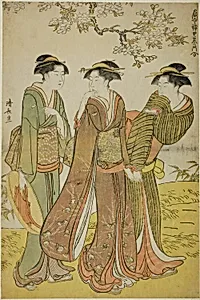
Spring Outing, from the series "A Collection of Contemporary Beauties of the Pleasure Quarters (Tosei yuri bijin awase)"
Torii Kiyonaga, c. 1783
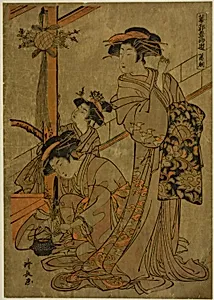
Morning of Iris, from the series "Five Festivals in the Pleasure Quarters (Hanakuruwa gosechi no asobi)"
Torii Kiyonaga, c. 1779
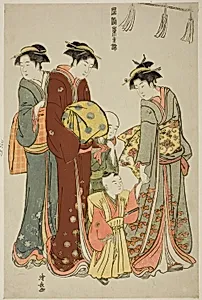
Young Boy Wearing Hakama for the First Time, from from the series "A Brocade of Eastern Manners (Fuzoku Azuma no nishiki)"
Torii Kiyonaga, c. 1783/84
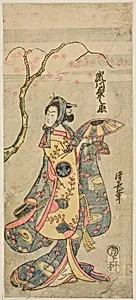
The Actor Segawa Kikunojo II as Shizuka Gozen (?)
Torii Kiyonaga, c. 1767
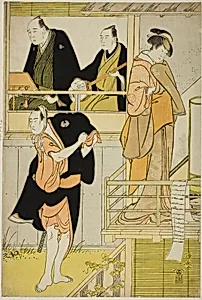
The Actors Nakamura Riko I as Tanbaya Otsuma and Ichikawa Yaozo III as Furuteya Hachirobei, in the joruri "Sakamachi Yoi no Yotsutsuji," performed at the Nakamura Theater in the third month, 1785
Torii Kiyonaga, 1785
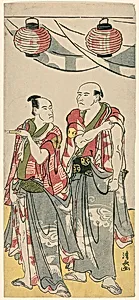
The Actors Arashi Ryuzo II and Ichikawa Komazo III, from a pentaptych of eleven actors celebrating the festival of the shrine of the Soga brothers
Torii Kiyonaga, 1788
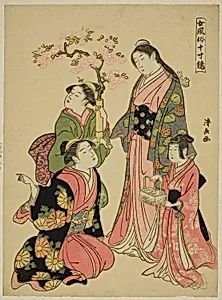
A Noble Young Lady, from the series A Bright Mirror of Feminine Manners (Onna fuzoku masukagami)
Torii Kiyonaga, c. 1790
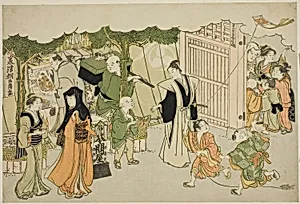
The First Day of Business (Akinai hajime), from the illustrated book "Colors of the Triple Dawn (Saishiki mitsu no asa)"
Torii Kiyonaga, c. 1787