Ctrl K
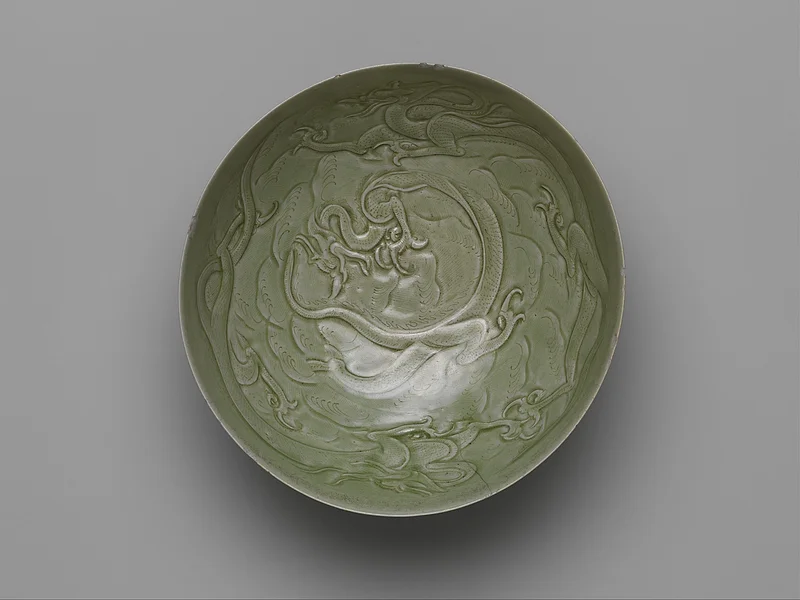
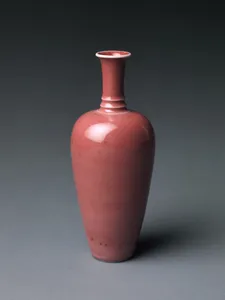
China invented porcelain and perfected it over two millennia. This exhibition showcases the extraordinary range of Chinese ceramic art — from Tang dynasty tomb figures to Song dynasty celadons to Ming blue-and-white, spanning 3,000 years of innovation.
No civilization has contributed more to the art of ceramics than China. Chinese potters invented porcelain — the "white gold" that Europeans would spend centuries trying to replicate. They developed glazing techniques of extraordinary subtlety, from the jade-like celadons of the Song dynasty to the vibrant polychrome wares of the Qing.
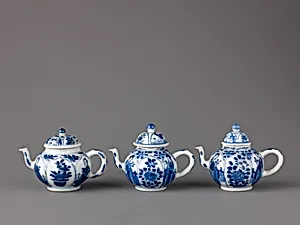
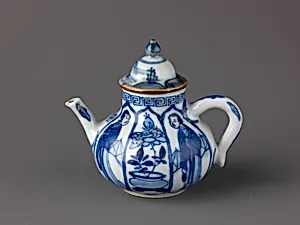
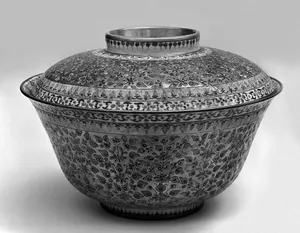
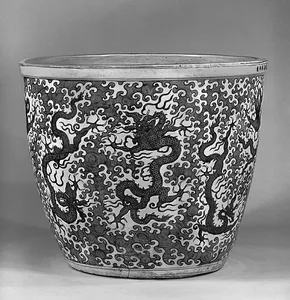
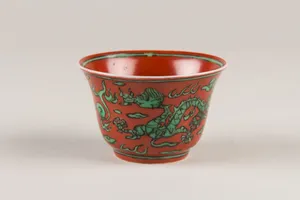
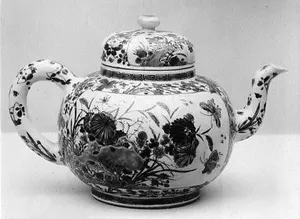
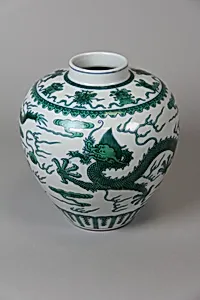
This exhibition traces the evolution of Chinese ceramic art from its ancient origins through its golden ages. Highlights include a remarkable 10th-century bowl with dragons amid waves, a monumental Liao-dynasty glazed arhat figure, Ming-dynasty dragon jars, and Kangxi-period teapots of exquisite delicacy.
These works demonstrate not only supreme technical mastery but also the deep connections between Chinese ceramics and philosophy, religion, trade, and daily life.
Curator
Vasily Gnuchev
Visibility
Public
Stoneware with carved and incised decoration under celadon glaze (Yue ware)
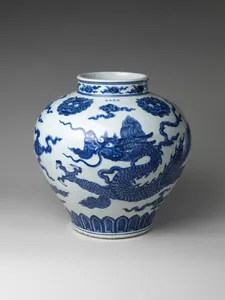
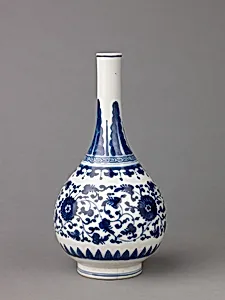
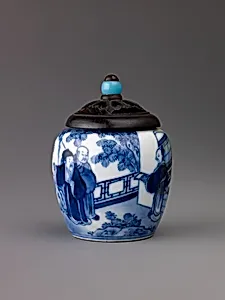
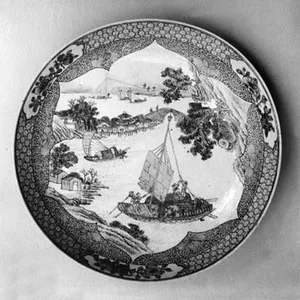
Porcelain painted with cobalt blue under transparent glaze (Jingdezhen ware)
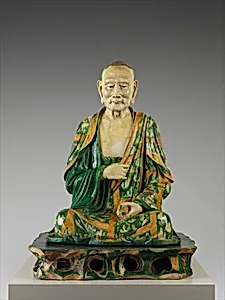
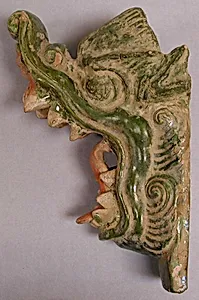
Stoneware with three-color glaze
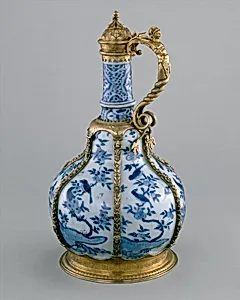
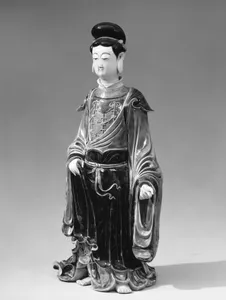
Hard-paste porcelain, gilded silver